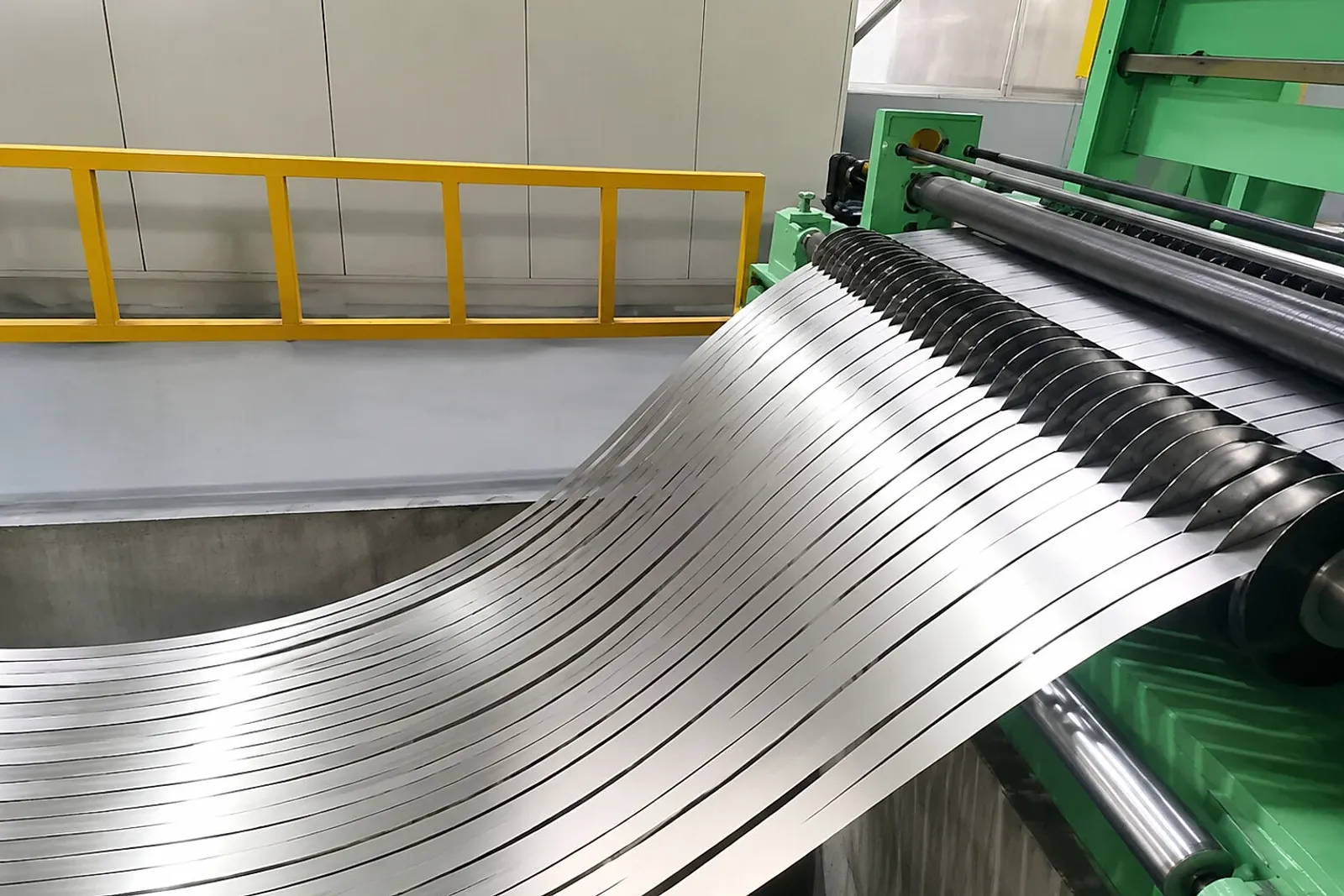
T70X Claim Shows High-Temperature Titanium Powder Needs an Exposure-to-Release File
A current high-temperature titanium powder claim is a useful signal for titanium buyers, but not because it proves that a new alloy can be placed directly into aerospace, defense, thermal-shield or turbomachinery applications. The stronger lesson is that additive titanium procurement is moving beyond grade names and into service-exposure evidence.
On July 2, 2026, 3DPrint.com reported that Vilory Metal Powder, formerly Jiangsu Vilory Advanced Materials Technology, had announced T70X, a 3D-printable near-alpha titanium alloy powder. The company-reported claim is specific: the material is said to maintain >=450 MPa at 700°C, reduce embrittlement up to 750°C, and offer a 45% lighter alternative to Inconel in certain high-performance parts. Vilory’s own product listing also shows T70X under its metal powder products, although the public page available in text form does not provide enough readable detail to verify the performance package independently.
That distinction matters. A buyer should not treat a reported 700°C strength number as a released component. The practical question is narrower and more useful: what evidence would convert a high-temperature titanium powder claim into an acceptable part, coupon, preform, thermal shield, housing or machined component?
The Useful Signal Is the Exposure Envelope
The 3DPrint.com article says T70X is positioned against existing high-temperature titanium powders such as TIMETAL 834 and against some Inconel use cases. It also reports a claimed chemistry logic: Sn at 1-5%, Zr at 1.5-5.5%, Mo at 0.5-2.5%, and Cr, Co, V and Ni at <=1% each. The same source reports company-stated applications including hypersonic control surfaces, leading edges, thermal shields, turbomachinery, turbine blades and compressor disks.
Those claims are commercially interesting because they point to a real titanium problem. Ti-6Al-4V is familiar, printable and widely specified, but it is not the answer to every hot-zone or thermal-cycling environment. Nickel alloys can carry higher-temperature duties, but they bring density, machining and cost penalties. A high-temperature titanium AM powder would therefore be attractive if it can preserve useful strength, oxidation behavior, dimensional stability and inspection confidence inside a defined operating envelope.
The word “if” is doing important work. High-temperature performance is not one property. It is a bundle of exposure time, peak temperature, thermal cycling, atmosphere, load direction, creep behavior, fatigue, oxidation, surface condition, residual stress, post-build heat treatment and inspection access. A powder claim becomes buyer-relevant only when those elements are connected to the exact part geometry and acceptance rule.
Powder Is Not the Released Product
In titanium AM, the powder is only the beginning of the evidence chain. The same nominal alloy can produce different outcomes depending on powder particle size distribution, oxygen, nitrogen and hydrogen control, reused-powder rules, machine platform, build atmosphere, scan strategy, layer history, support removal, heat treatment, HIP, machining allowance, surface finish, NDT method and final dimensional inspection.
That is why official AM requirements matter as context. NASA’s technical standards listing includes NASA-STD-6030 for additive manufacturing requirements for spaceflight systems and NASA-STD-6033 for additive manufacturing equipment and facility control. A buyer does not need those NASA standards to apply directly to every commercial order to understand the mechanism: mission-critical AM is governed by controlled requirements, equipment discipline, verification and release authority, not by powder naming alone.
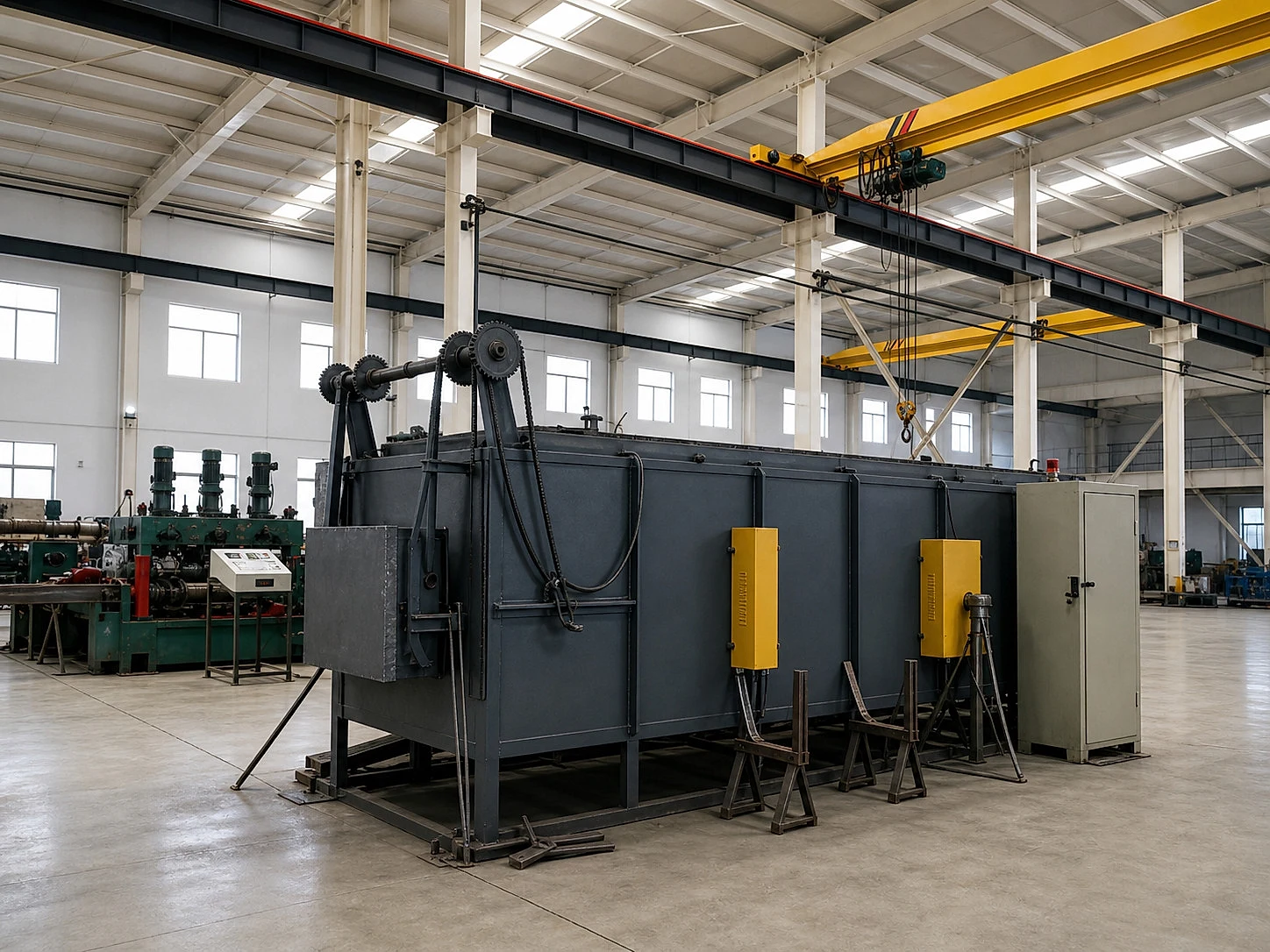
For a titanium buyer, the useful response to a T70X-style claim is therefore not excitement or rejection. It is a request for an exposure-to-release file (see our earlier reads on data-to-allowables evidence for titanium AM and the site-transfer release file).
| Evidence layer | Buyer question | Why it matters |
|---|---|---|
| Alloy identity | Is the chemistry, powder route and lot certificate tied to the quoted material? | Prevents a marketing name from replacing material traceability. |
| Build window | Which machine, atmosphere, parameters, layer thickness and powder reuse rule created the data? | AM strength values do not travel cleanly across process windows. |
| Heat treatment | What post-build heat treatment, HIP or stress-relief route produced the tested condition? | High-temperature claims can disappear if the final route changes. |
| Exposure proof | What tensile, creep, fatigue, oxidation and thermal-cycle data exists at the actual service case? | A 700°C data point is not the same as a duty-cycle qualification. |
| Inspection path | Which NDT, CT, metallography, density and dimensional checks are required? | Internal defects, surface condition and geometry can control acceptance. |
| Exclusions | Which applications are specifically outside the claim? | The source itself reports exclusions for corrosion, cryogenic and medical implant uses. |
| Release authority | Who has approved the part, drawing, coupon set or production route? | Supplier capability is not the same as customer release. |
This framework is useful even if T70X never appears in a buyer’s approved material list. It gives procurement and engineering teams a disciplined way to evaluate any future high-temperature titanium powder, whether the supplier is in China, Europe, Japan, North America or elsewhere.
What Changes For Titanium Product Suppliers
For suppliers of titanium sheets, bars, tubes, forgings, machined parts and AM-adjacent components, the immediate effect is not a sudden material substitution. It is a change in the conversation. Buyers may ask whether a lighter titanium route can replace a heavier nickel alloy part, whether AM can reduce machining from billet, or whether high-temperature titanium can support complex cooling channels. A supplier should answer those questions through evidence boundaries, not slogans.
The safest commercial answer separates three things. First, powder availability: can the powder lot be purchased, certified and repeated? Second, route capability: can the supplier build, heat treat, machine and inspect the geometry inside a documented process window? Third, release scope: does the buyer’s application, standard, drawing or customer approval allow that route?
Those boundaries protect both sides. They keep a promising material from being dismissed because it is new, while also preventing a data sheet from becoming an unsupported product claim. They also help conventional titanium suppliers explain where existing products still fit. A plate, tube, bar or machined blank may remain the lower-risk answer when the service case, standards, inspection plan or customer approval does not justify a new AM powder route.
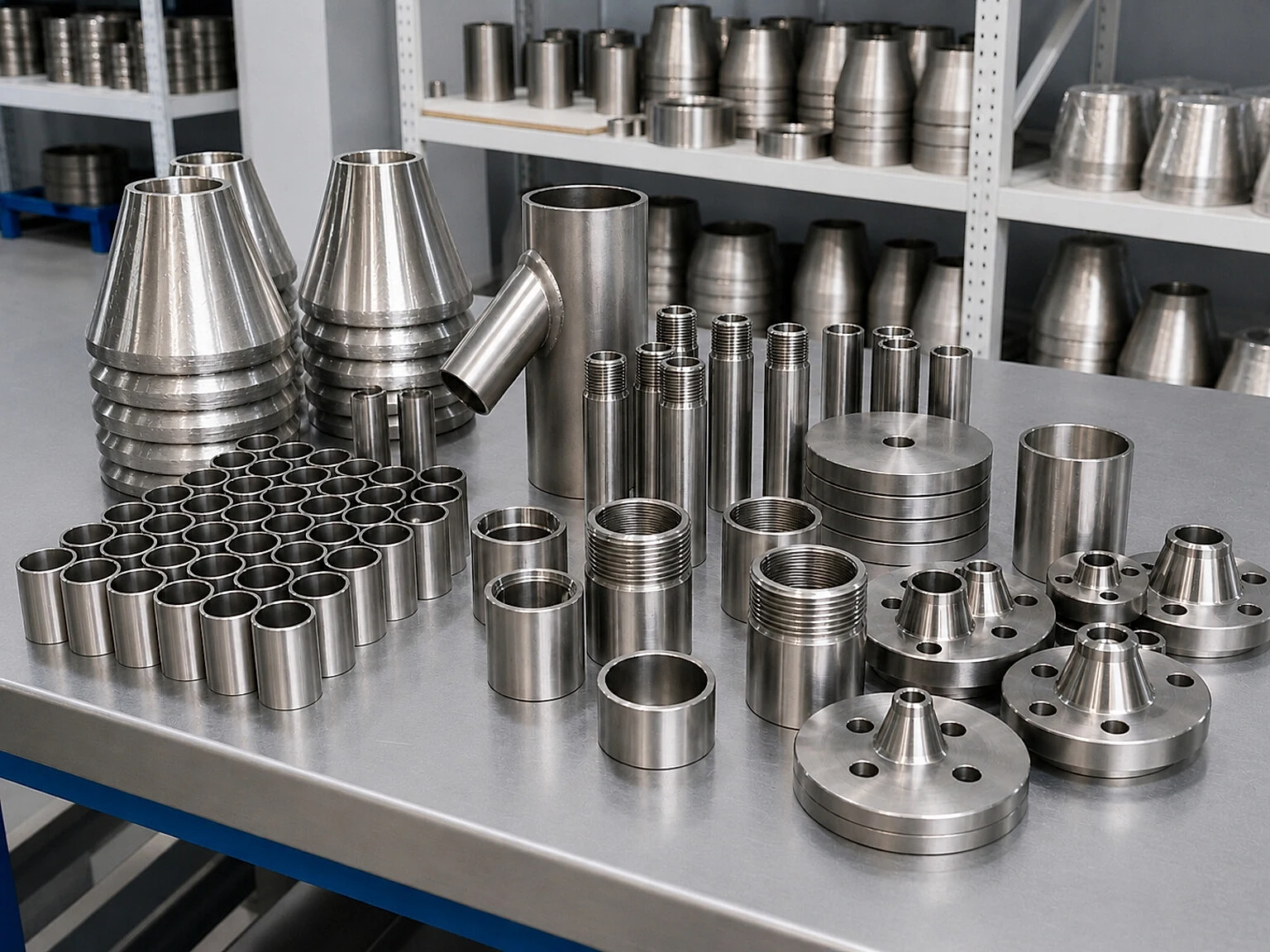
The T70X report should therefore be read as a competitive warning and a procurement checklist. Advanced titanium powders are likely to keep arriving, and some will be technically serious. But the buyer’s acceptance file will still need to connect the alloy, powder lot, build route, heat treatment, exposure data, inspection result and release authority — the same connected-evidence logic we traced in the single-piece tank inspection map.
The defensible conclusion is simple: high-temperature titanium powder claims matter when they change the evidence file. Until then, they are not finished-product supply. They are candidates for qualification.
FAQ
# What does the T70X titanium powder claim change for buyers?
# Why is a 700°C strength claim not enough to release an AM titanium part?
# What should an exposure-to-release file include?
# Can a high-temperature titanium powder replace Ti-6Al-4V or Inconel?
Need this material? Get a factory-direct quote.