G7 Critical Minerals Plan Makes Titanium Buyers Ask a Stockpile-to-Release Question
As of June 20, the G7’s June 17, 2026 critical minerals declaration is not a titanium product announcement. That is exactly why it is useful for titanium buyers. The declaration talks about stockpiling, recycling, traceability, price transparency and a first platform focus on lithium and nickel, not about titanium coils, tubes, plates, forgings or machined parts. But it points to a procurement problem that titanium buyers already know: strategic material access is only valuable when it can be converted into releasable product evidence.
The G7 statement says leaders will launch a Critical Minerals Production Alliance and a Critical Minerals Action Plan, with initial efforts around lithium and nickel and a commitment to add at least five minerals every year. It also points to stockpiling, recycling, traceability and price-transparency work, and to cooperation with the International Energy Agency. This is policy language, but it is not abstract. It is a signal that governments are trying to move from broad critical-mineral concern to managed supply-chain instruments.
For titanium product buyers, the practical reading is narrower than the headline. Titanium is already treated as a critical or strategic material in major markets: the U.S. final 2025 critical minerals list includes titanium, and EU critical raw material policy separately identifies titanium metal as strategically relevant. At the same time, the USGS titanium mineral commodity summary reports that the United States had no domestic titanium sponge production in 2025 and that apparent consumption of sponge and scrap was concentrated in aerospace, armor and other high-performance uses. That combination makes titanium sensitive to the gap between policy security and product-level release.
What the policy signal really changes
The G7 declaration does not create new titanium bar, tube, plate or forging capacity by itself. It changes the questions buyers should ask when a supplier, distributor or market commentator points to strategic stockpiles, recycling projects, allied production, government-backed minerals agreements or new transparency tools as evidence of supply security.
A stockpile can secure a material category without securing a buyer’s specification. A recycling route can improve circularity without proving alloy chemistry, oxygen control, contamination limits or downstream conversion. A traceability platform can identify where material came from without proving that a batch was converted through the exact route required by a drawing, standard or customer approval. Price transparency can help procurement teams see market pressure without answering whether the shipment can pass receiving inspection.
This is where policy becomes a titanium product story. The relevant mechanism is not whether critical minerals are politically important. It is whether strategic material instruments can be connected to a chain of evidence that starts with material identity and ends with a released product form.
Why titanium is exposed below the headline
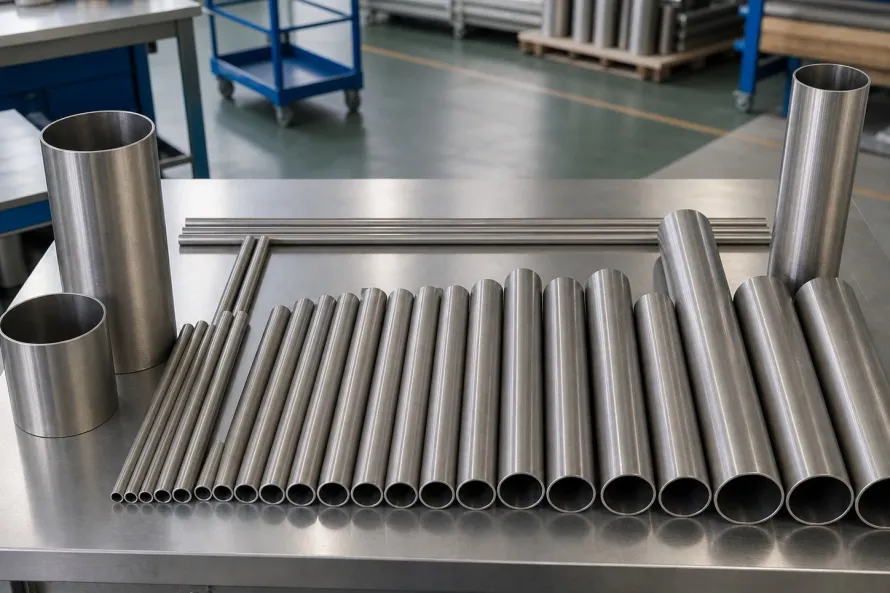
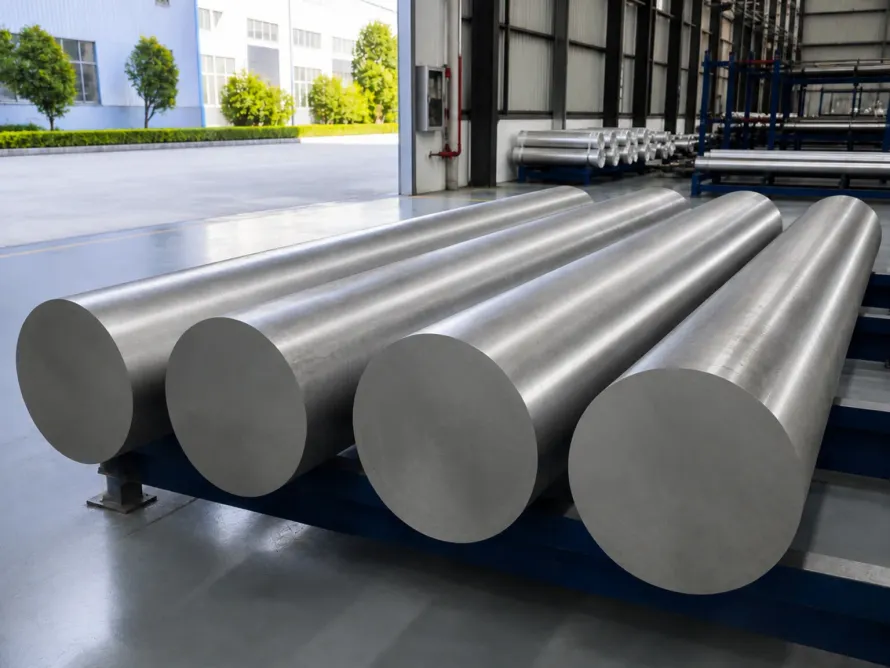
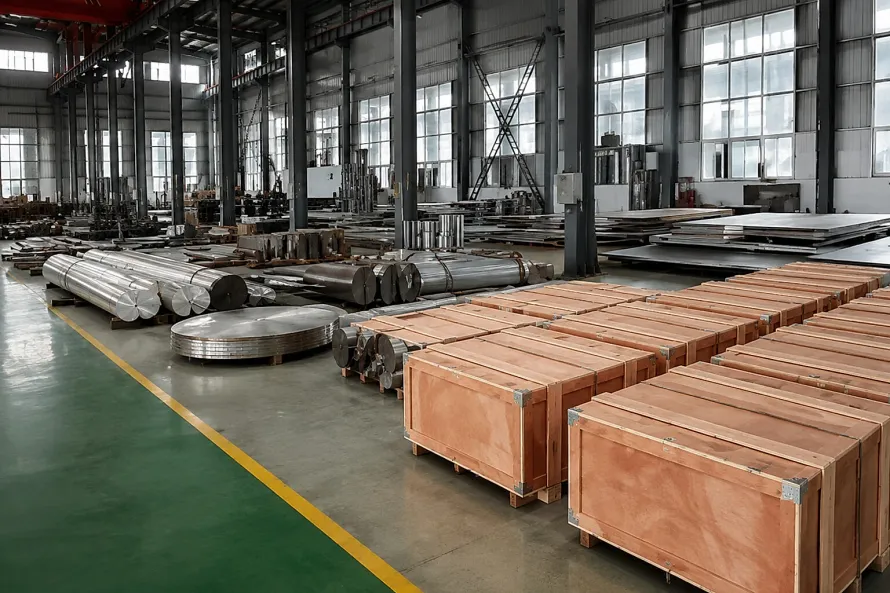
Titanium buyers are rarely buying a generic mineral. They are buying a product form: coil, sheet, plate, bar, tube, forged ring, machined blank, fitting, pressure component, fastener or medical component. Each form has its own route, inspection access and release logic. Sponge, scrap, master alloy, ingot, billet, coil, tube and finished component cannot be treated as interchangeable proof.
That distinction matters more when policy attention rises. UNCTAD’s June 2026 Global Trade Update says critical-mineral supply chains face high concentration, rising trade measures and a fast-growing web of mineral agreements. The report says more than 100 export measures have been introduced since 2020 and identifies 58 new critical-mineral agreements since 2022. Even when the material basket differs from titanium, the pattern is relevant: policy tools multiply faster than product qualification pathways.
For titanium procurement teams, that means the weakest link may sit below the policy story. The constraint may be sponge availability, remelt route, billet allocation, rolling capacity, tube mill capacity, forging route, heat treatment, NDT access, test turnaround, certificate wording, customer approval or shipment documentation. A policy plan can reduce upstream uncertainty while leaving the order-level release question untouched.
The stockpile-to-release file buyers should request
The reusable framework is a stockpile-to-release evidence file. It is not a demand for more paperwork. It is a compact bridge between a strategic material claim and the exact product that will be received, inspected and used.
| Boundary to verify | Evidence to request | What it prevents |
|---|---|---|
| Material category | Critical-mineral or strategic-material status, material description, alloy family and any excluded grades | Treating a broad policy label as proof for a specific titanium alloy or form |
| Source and allocation | Stockpile source, recycled input, supplier allocation note, batch identity and timing | Assuming strategic availability equals reserved order supply |
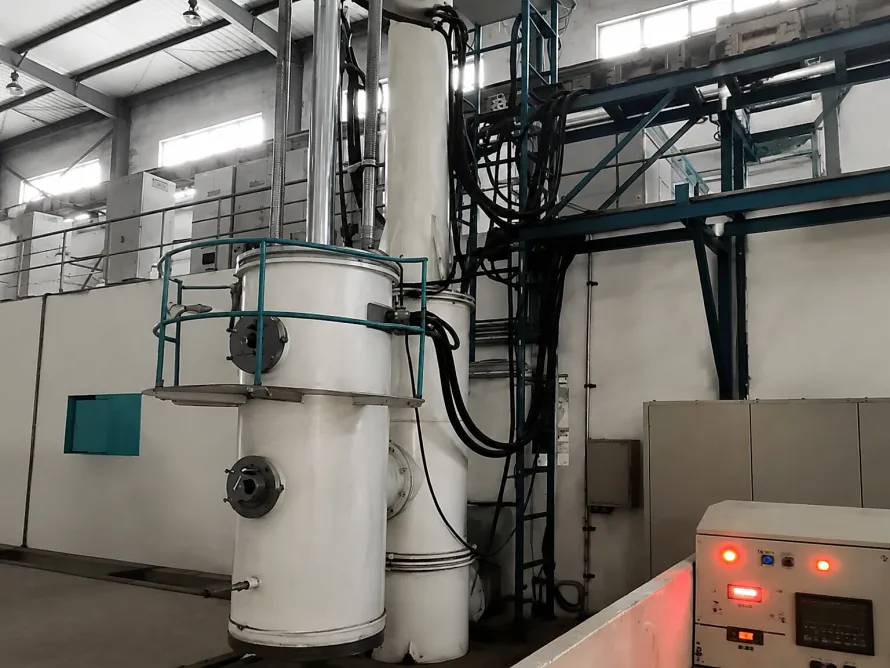
| Conversion route | Sponge, scrap, melt, remelt, billet, rolling, tube making, forging, machining or PM route record | Mistaking upstream material access for product-form readiness |
| Product specification | Grade, standard, drawing revision, dimensions, heat treatment and delivery condition | Comparing quotes that cover different product states |
| Inspection and release | MTC or MTR, chemistry, mechanical tests, dimensional checks, NDT, surface condition and lot release | Letting a policy-backed material claim bypass normal receiving evidence |
| Storage and handling | Stockpile age, packaging, contamination controls, re-test rule and hold-point record | Releasing aged or transferred material without condition evidence |
| Trade and claim boundary | Origin, tariff code, recycled-content statement, sanctions/export-control screen and certificate wording | Confusing resilience language with compliant import or customer documentation |
The table is deliberately order-level. It gives procurement, engineering and quality teams a way to ask whether a strategic supply claim survives contact with the product actually being purchased.
Where suppliers can add useful evidence
A titanium supplier does not need to claim that a G7 policy will change tomorrow’s delivery schedule. That would overstate the source. The useful move is to make the supplier’s own evidence chain clearer when buyers ask whether supply is resilient.
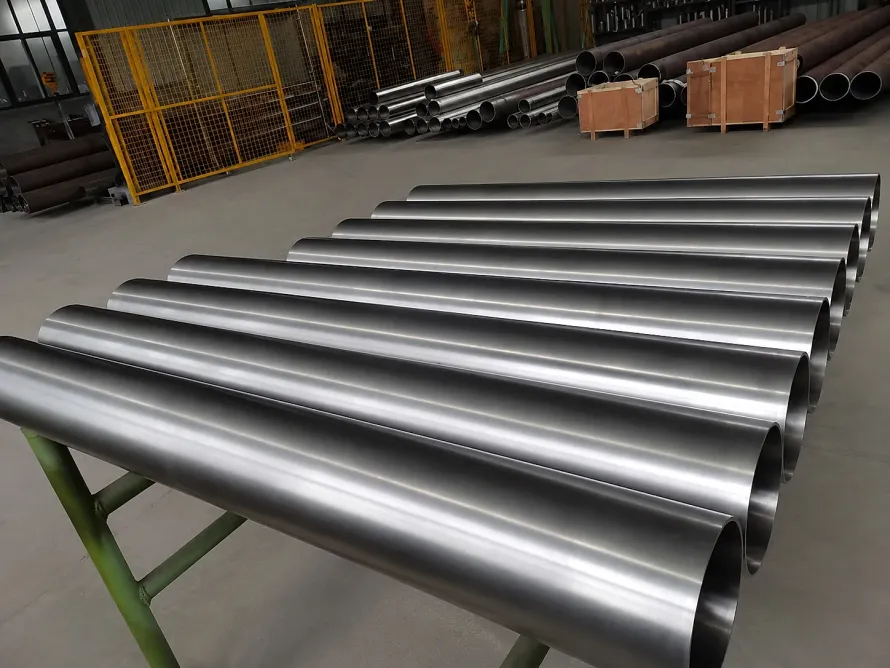
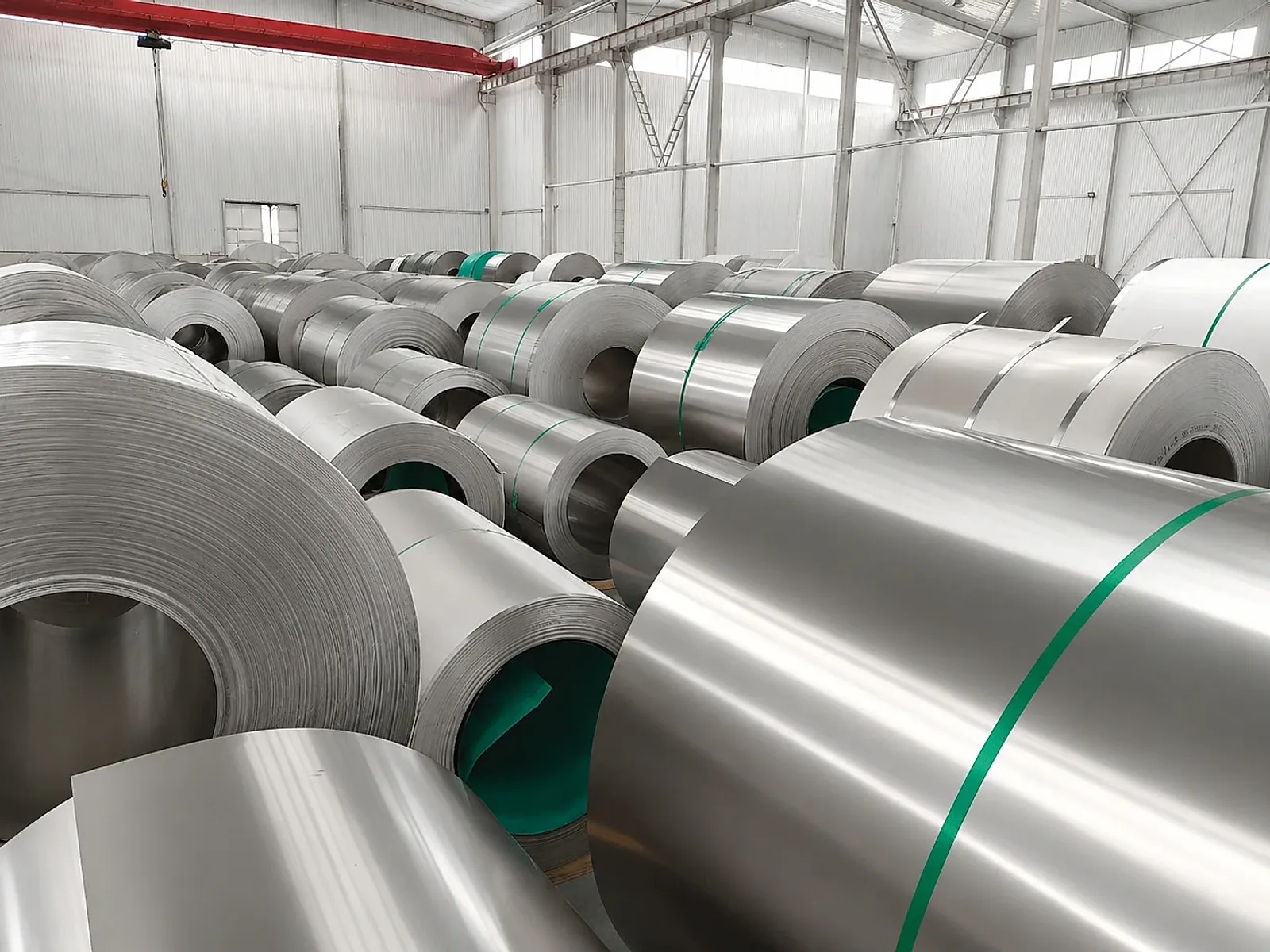
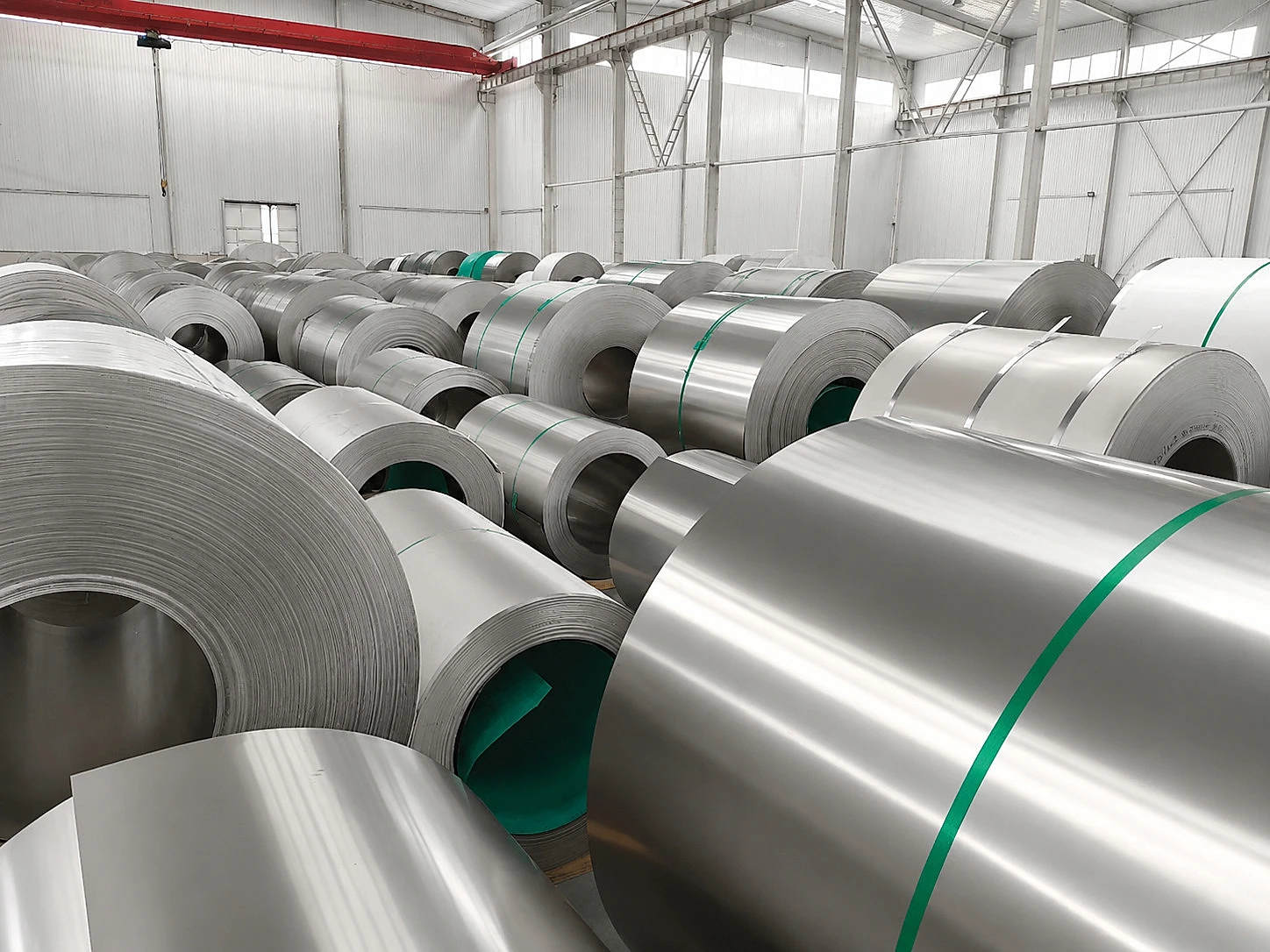
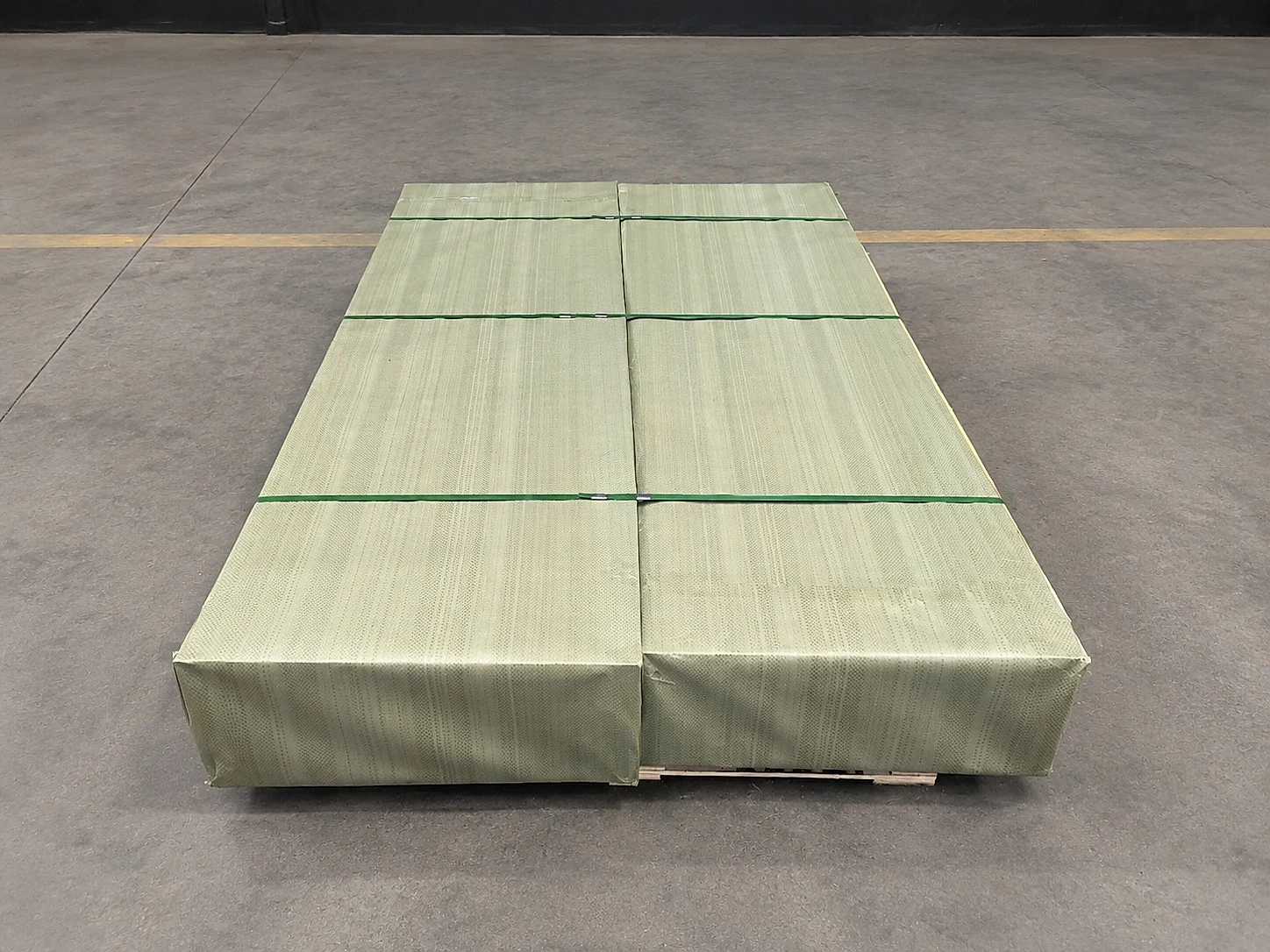
For coil, sheet and plate, that means connecting stock origin, grade, thickness, surface condition, heat number, packing state and certificate wording. For tube, it means route, dimensions, wall tolerance, surface condition, pressure or eddy-current testing where relevant, and cleanliness. For forgings and machined parts, it means starting stock, route lock, heat treatment, machining boundary, NDT and final geometry evidence. For recycled or secondary titanium, it means contamination control, chemistry, conversion route and customer approval boundary.
The common thread is traceability with release discipline. Traceability tells the buyer where material came from. Release discipline tells the buyer why this lot, in this form, under this specification, can be accepted.
The defensible conclusion
The G7 critical minerals plan is worth watching because it shows governments trying to build instruments around mineral security rather than only talking about supply risk. But titanium buyers should not convert that signal into a simple availability story. The material is strategic, but the product is qualified.
For procurement teams, the right response is to ask for the bridge: where the material came from, who controlled the conversion, what product form was created, which inspection evidence belongs to the lot, and what claim is safe to put into the purchase file. If a supplier can answer those questions, critical-mineral policy becomes useful procurement context. If not, a stockpile remains a category of material, not a released titanium product.
FAQ
# Does the G7 critical minerals plan create new titanium product supply?
# Why is titanium relevant to a critical minerals discussion?
# What is a stockpile-to-release evidence file?
# What evidence should titanium buyers request when a supplier cites stockpiles or recycling?
# How should suppliers use critical-mineral policy in buyer communications?
Need this material? Get a factory-direct quote.