Norsk Titanium's Double Win: Northrop Grumman Recurring Contract + NADCAP AM Certification Clear the Defense AM Buy-to-Fly Threshold
Two Milestones in One Week: Recurring Production Contract + NADCAP AM
On 2026-05-28 Norsk Titanium signed its first recurring production contract with Northrop Grumman, covering RPD (Rapid Plasma Deposition) titanium structural parts. The next day, 2026-05-29, Norsk announced NADCAP AM accreditation.
Two events, one week. The narrative on defense titanium AM has shifted.
Defense AM titanium has lived in “first-article qualification” purgatory for years. Norsk’s RPD work with Airbus since 2024, the Lockheed and GE Additive trial parts on F-35 — all of it sat in the “made, validated, never serialized” bucket. Recurring production means buy-to-fly series procurement, not another round of one-off validation. NADCAP AM means Northrop no longer needs to run a standalone prime-direct process audit; mutual recognition kicks in. That is the gating condition for standardized Tier-1 procurement.
Three thresholds — technical validation, customer lock-in, qualification chain — have cleared together on the DED titanium AM path for the first time.
RPD / DED vs LPBF: Two Titanium AM Routes, Two Feedstock Markets
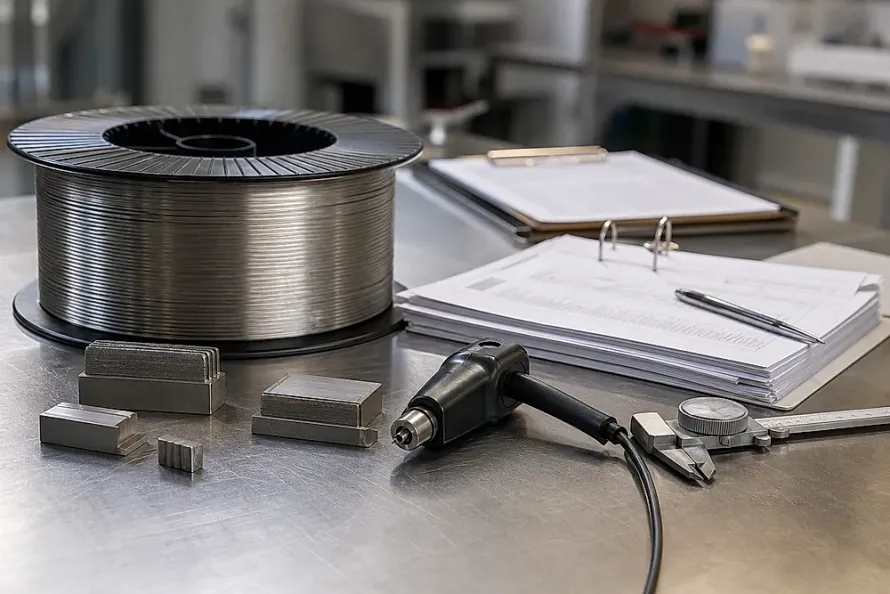
Terminology first. RPD is Norsk’s proprietary process, part of the wire-fed DED family. The feedstock is Gr.5 titanium wire (1.6–3.2 mm diameter dominates), deposited bead-by-bead under inert atmosphere via plasma arc into near-net titanium preforms, then machined to final dimensions.
The other route, LPBF, is led by EOS, SLM Solutions and 3D Systems, running on Gr.23 ELI / Gr.5 spherical titanium powder at 15–45 μm, melted layer by layer by laser.
The upstream feedstock markets are fully separated:
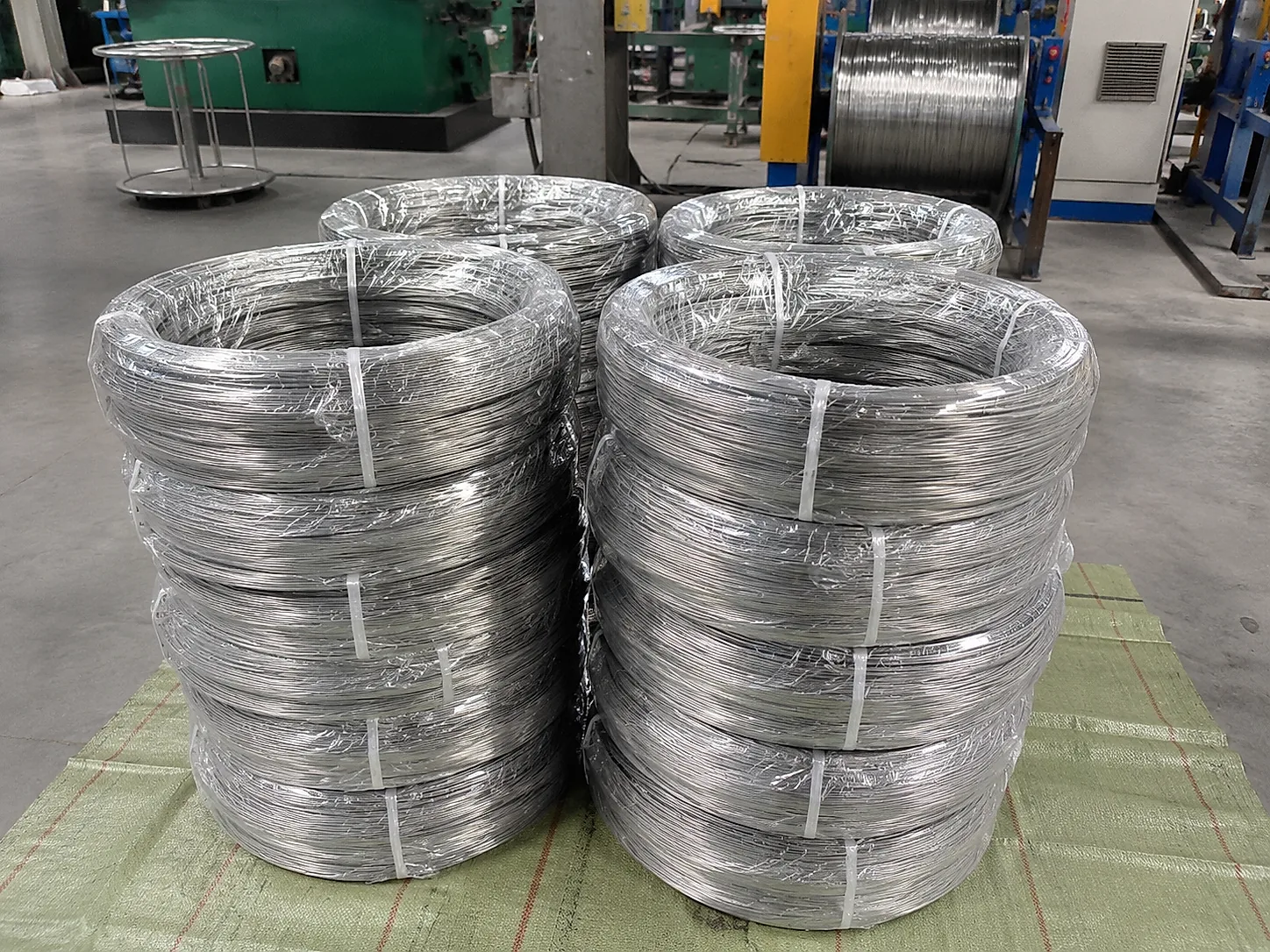
- RPD / DED pulls the wire market: Gr.5 titanium wire, VAR (vacuum arc remelt) plus drawing plus surface treatment plus spool packaging, ±0.02 mm diameter tolerance, Ra below 0.8 μm
- LPBF pulls the powder market: Gr.23 ELI / Gr.5 spherical, 15–45 μm mainstream, O ≤ 1300 ppm, sphericity ≥ 95%
The diffusion effect of the Norsk recurring contract is a unilateral lift in the wire market. The powder side is not directly affected. This sits alongside, but separately from, the Amaero TN powder-source disruption story from 2026-05-28 — one is a cut on the powder side, the other is a structural lift on the wire side.
What NADCAP AM Accreditation Actually Costs
NADCAP (National Aerospace and Defense Contractors Accreditation Program) sits within SAE. The AM sub-program only went live in 2021 with the AC7110/13 checklist series. The global pass list is short.
The audit spans five blocks:
| Block | Scope |
|---|---|
| Process control | Machine parameter monitoring, deposition window, thermal history, chamber O2/H2O |
| First-article qualification | FAI plus build-to-build comparison plus process equivalence |
| Material traceability | Wire lot → deposition layer → finished part, end-to-end |
| Personnel | Operating engineer certification, inspector certification, technical manager review |
| Internal + customer audits | Annual internal audit, customer on-site audit, nonconformance closure |
Each block runs 3–6 months of audit cycle. The full package typically takes 18–24 months. Norsk landing NADCAP AM means the system runs end-to-end on RPD.
Why does the pairing matter more than either event alone? Recurring contract plus process accreditation plus qualification chain — each one in isolation is “good news,” but only the simultaneous trifecta lets Tier-1 procurement systems treat AM titanium parts as purchasable on equal footing with forged and machined parts. Until now, AM parts have lived in the “special pathway” bucket.
View from Titanium Valley: The Real Posture on the Wire Side
Looking out from Baoji, the Asian titanium valley, the Gr.5 wire market has had a flat 36 months. Demand came mainly from medical (bone screws, dental implants) and a thin stream of industrial R&D (lab-grade AM trials). Aerospace-grade DED wire orders were absorbed inside the North American chain — Norsk, IperionX, RTX and their suppliers.
The Norsk recurring contract plus NADCAP AM is the first visible demand pull from aerospace Tier-1 series parts the wire market has seen. Three layers of real impact upstream:
Layer one (immediate): Structural lift in North American demand for Gr.5 atomization-grade billet feeding wire drawing. Norsk and peer DED shops need high-purity VAR titanium bar at 70 mm diameter or less for the drawing line. Current supply runs through ATI / TIMET / Carpenter.
Layer two (60–90 days): Civil and commercial Tier-2 AM service bureaus and medical OEMs, reading the Norsk signal, start booking DED wire qualification audits. This window is open to the Asia compliant channel — Baoji Gr.5 wire in the 1.6–3.2 mm range, with mature VAR plus vacuum anneal plus drawing, can plug into non-ITAR programs.
Layer three (12–18 months): Wire-mill capacity concentrates on “aerospace-certified” grade. Low-end industrial wire loses pricing power; aerospace-certified wire gains it. The two ends pull apart.
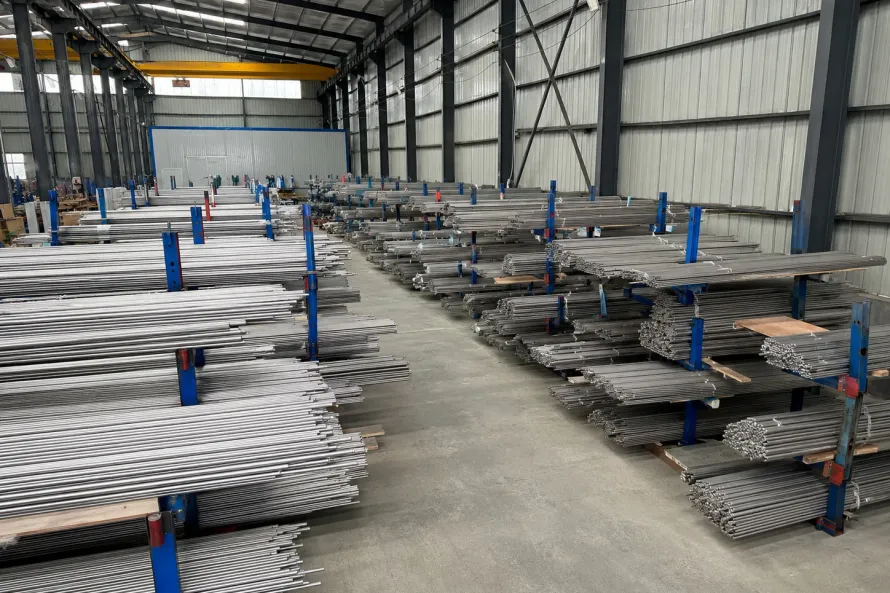
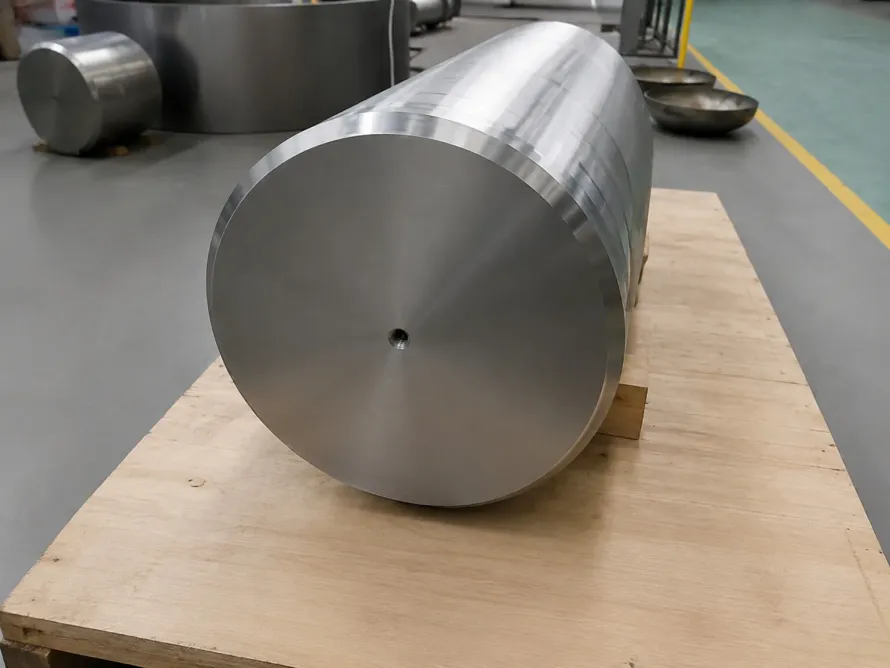
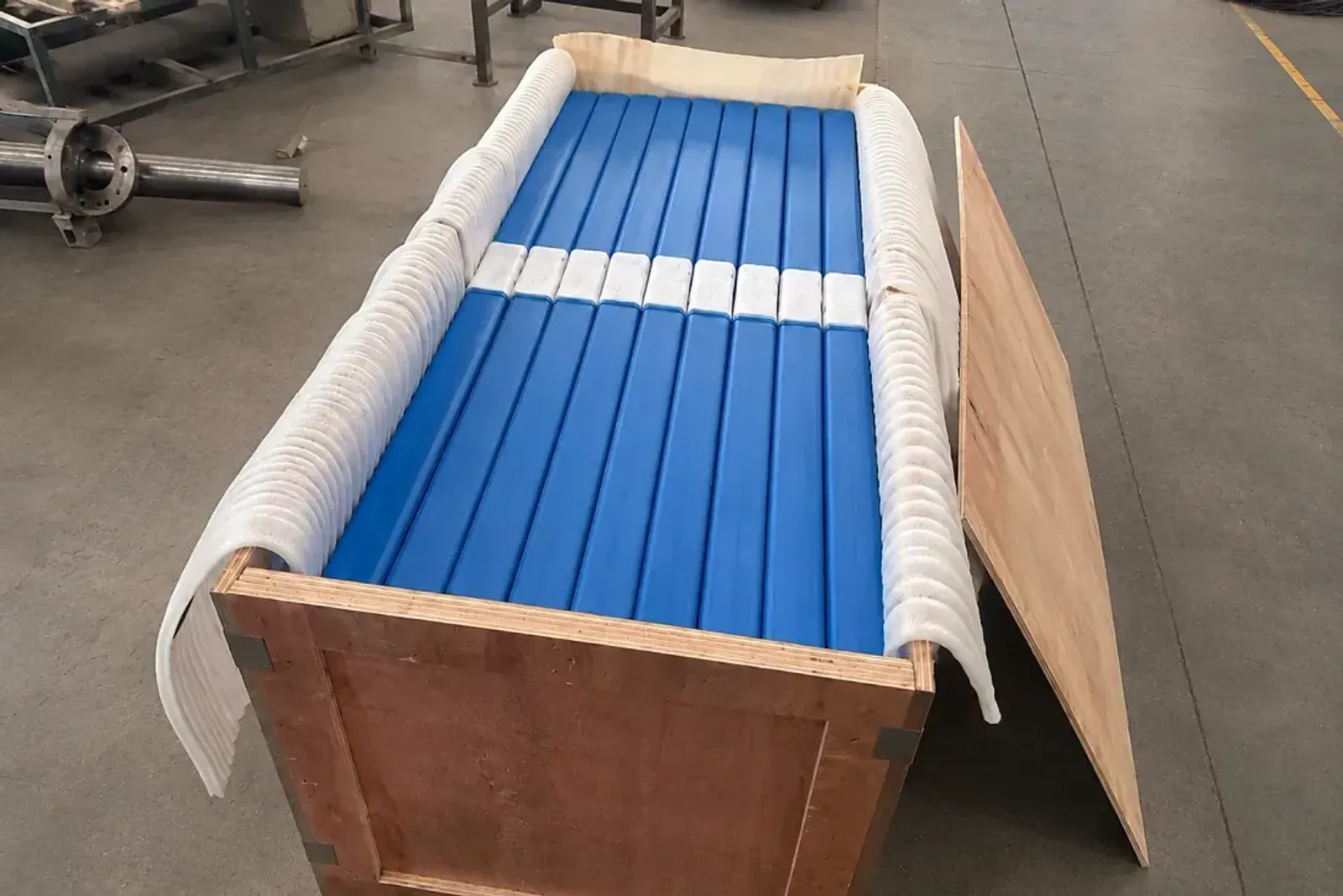
Our current spot position: Gr.5 titanium wire at 5 tonnes, Gr.5 titanium bar at 400 tonnes (near-full size range, 6–300 mm diameter). The bar acts as a two-way upstream — slice it for LPBF powder atomization, or draw it down for DED wire. Total mill spot resource library stands at 20,000 tonnes, the steady-state floor after the new plant and new equipment came fully online.
Real Impact on Traditional Titanium Forging, Bar and Plate Buyers
Do not overreact. AM titanium share in defense aerospace is rising structurally, not disruptively.
Parts that suit AM titanium have boundary conditions:
- High buy-to-fly (traditional machining wastes material) — 8–12:1 range
- Complex geometry (long 5-axis cycle times, hard-to-reach features)
- Mid- to small-batch (50–500 units per year; large-batch still goes die or forge)
- Non-critical or secondary structure (primary load-path parts like wing spars and landing-gear struts stay on forging)
Parts that do not suit AM titanium:
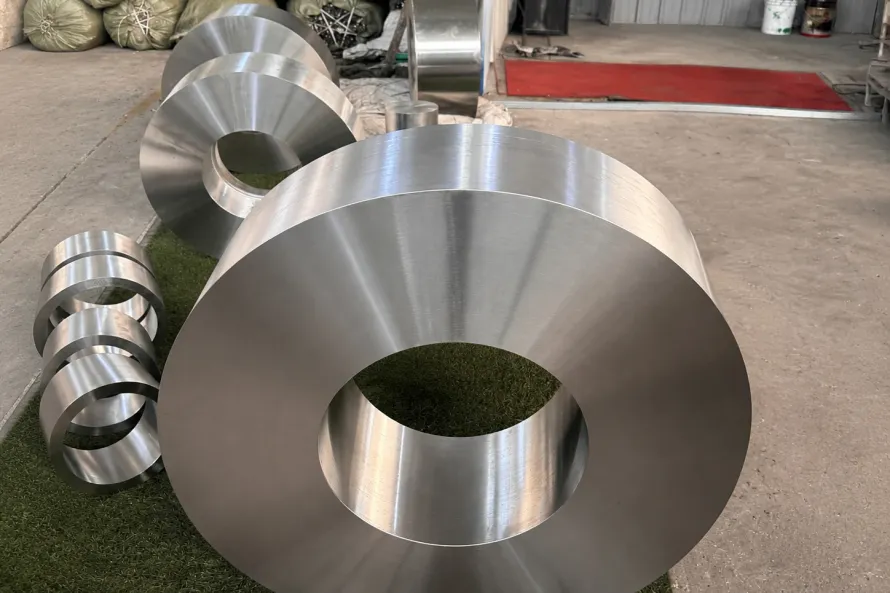
- Large primary structures (engine disks, wing main spars, landing-gear struts) — forgings are irreplaceable
- High-volume simple parts (titanium fasteners) — cold heading is more economical
- Ultra-precision thin-wall parts (electrodes, diaphragms) — sheet stamping is more reliable
Over 2026–2030, titanium AM share of aerospace buy-to-fly series parts is likely to climb from below 5% today to 8–12%. Forge plus machine stays dominant at 85–90%.
Buyer Playbook
| Buyer type | Action |
|---|---|
| ITAR / DPAS defense AM programs | Stay on Norsk + AP&C + Carpenter North American chain; Asia channel not open |
| Civil and commercial Tier-2 AM service bureaus | Start Asia compliant channel DED wire qualification audits, 6–10 weeks |
| Medical and industrial AM R&D | Engage Asia wire and powder for small batch and sample lots directly |
| Traditional forging and machining buyers | Core market stable, no panic — but watch where AM might displace inside your own product mix |
| Upstream atomization / wire-drawing mills | Lock Gr.5 VAR billet LTAs; aerospace-grade feedstock demand is rising structurally |
Bottom Line: The Real Meaning of Three Thresholds Cleared at Once
The thing worth remembering from 2026-05-28 and 05-29 is not either announcement on its own. It is that three thresholds — technical validation, customer lock-in, qualification chain — cleared in the same week. That is the inflection point where defense titanium AM moves from “special pathway” to “standardized procurement.”
Wire market: structural tailwind. Powder market: neutral. Traditional forgings: mild diversion. Over the medium term (2026–2030) the titanium product mix will reshuffle — but in the near term (2026–2027) forge plus machine still carries the load.
Related Products & Services
- Product → Gr.5 Titanium Wire (DED / Medical / R&D) — 5 tonnes spot, 1.6–3.2 mm mainstream
- Product → Gr.5 Titanium Bar (VAR atomization upstream) — 400 tonnes spot, near-full size range
- Service → Titanium Contract Machining + Drawing-to-Sample — AM post-processing / 5-axis CNC, 4–6 week lead time
Related Articles
- Amaero TN Triple Incident — US AM Titanium Powder Source Cut in Q3
- IperionX HAMR Titanium Powder — 4.2 Tonnes March Output Executed
- Titanium Wire in Additive Manufacturing — From Aerospace WAAM to Dental Orthodontics
About: Titanium Seller is a supply chain platform based in Baoji, China’s Titanium Valley, serving aerospace, chemical, marine, medical and hydrogen-energy buyers worldwide.
FAQ
# What exactly did Norsk Titanium announce this week, and why are the two items materially different?
# How do RPD / DED and LPBF titanium AM differ, and what does each pull from upstream?
# Why is NADCAP AM accreditation so hard to win?
# What does this mean for traditional titanium forging, bar and plate buyers?
# Can the Asia compliant China channel feed DED titanium wire? Practical advice for buyers?
Need this material? Get a factory-direct quote.