TITAN-AM Shows Why Aerospace Titanium Supply Is Becoming an Evidence Chain
TITAN-AM Is Not Just Another 3D Printing Announcement
GKN Aerospace’s new TITAN-AM programme with the U.S. Air Force Research Laboratory, announced April 13, 2026, is a useful signal for titanium suppliers because it puts the emphasis on the hard part of aerospace manufacturing: proving that a process can make structural parts with repeatable material behavior, inspectable geometry, and a qualification path that buyers can trust.
For titanium producers and processors, the message is direct. Aerospace buyers will not evaluate future wire-fed titanium routes by alloy name alone. They will ask whether the feedstock, process window, material data, inspection method, and finish-machining route can be tied together into one evidence chain.
Why This Is More Than a 3D Printing Story
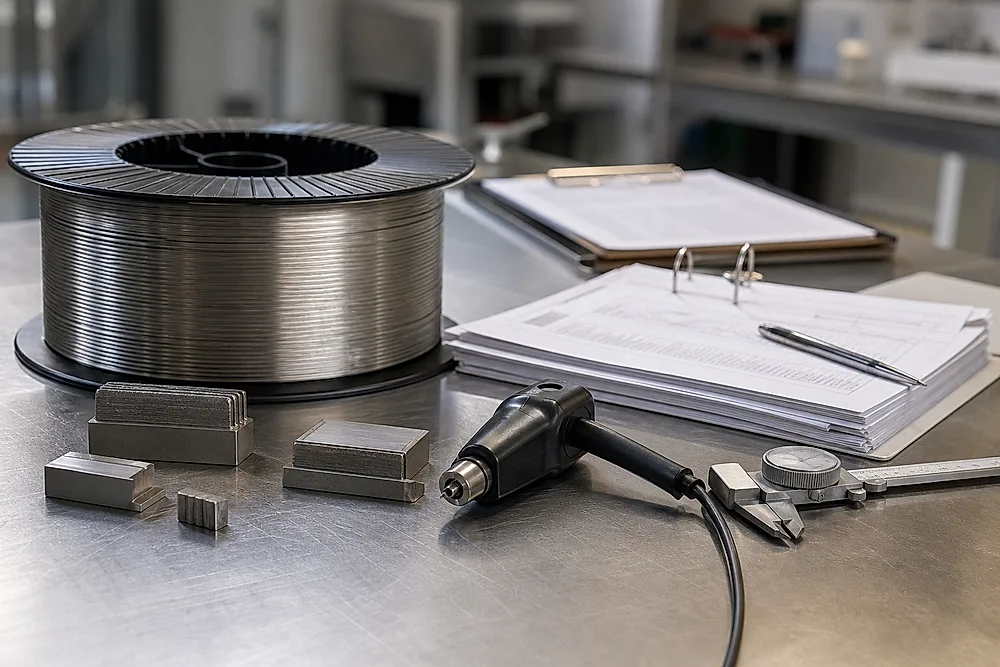
The GKN/AFRL programme is built around five workstreams: large-scale titanium aerostructure components, robust titanium material datasets, simulation, nondestructive inspection techniques tailored to additive manufacturing, and demonstrations on selected aerospace structural components. Those are not marketing details. They describe the barriers that separate an impressive deposited shape from a flight-relevant structural part.
Wire-fed directed energy deposition matters because it attacks a known weakness in conventional titanium manufacturing. Large aerospace parts are often forged or machined from heavy input stock, and the amount of metal bought can be far larger than the metal that finally flies. Airbus made the same point in its January 2026 explanation of titanium wire-DED, noting that the process can grow near-net-shape structural parts from titanium wire and reduce the waste associated with machining from plate or forgings.
That does not mean plate, forgings, and machining suddenly become obsolete. It means their role becomes more selective. A deposited blank still needs finishing, datum control, surface verification, and inspection access. For critical components, buyers will also need comparison evidence against conventional routes, not just a cost-saving claim.
The Demand Context Is Real, but Qualification Is the Bottleneck
The aerospace market gives this development commercial weight. Airbus reported 114 commercial aircraft deliveries in Q1 2026 and kept guidance for around 870 deliveries for the full year. Boeing reported 143 commercial airplane deliveries for the same quarter and listed a total company backlog of $694.7 billion. These numbers do not prove a titanium shortage by themselves, but they explain why OEMs and tier suppliers keep looking for qualified ways to reduce lead time, material waste, and special-process bottlenecks.
For titanium suppliers, that distinction matters. Demand pressure helps only when a supplier can enter a qualified production route. In aerospace, the limiting factor is often not whether titanium exists somewhere in the market; it is whether the specific grade, form, process record, inspection result, and certification package can survive an engineering and quality review.
What Changes for Titanium Wire and Semi-Finished Product Suppliers
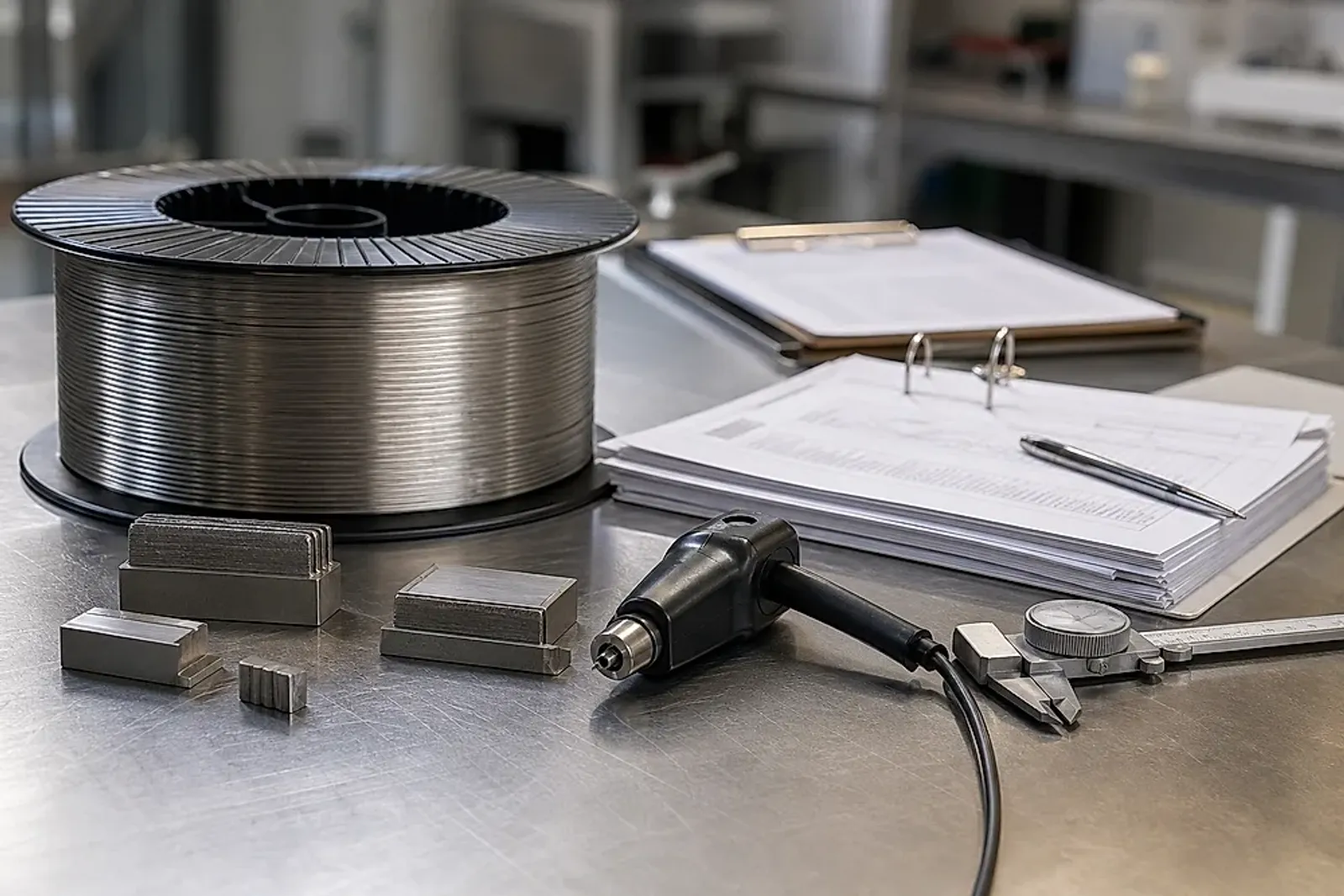
LMD-w gives titanium wire a more strategic role, but not every wire product can serve that role. Aerospace deposition routes place pressure on chemistry consistency, diameter control, surface cleanliness, lot traceability, oxygen and hydrogen control, packaging, and documented process response. Wire becomes a manufacturing input whose behavior must be understood inside the melt pool, not just a material sold by nominal grade.
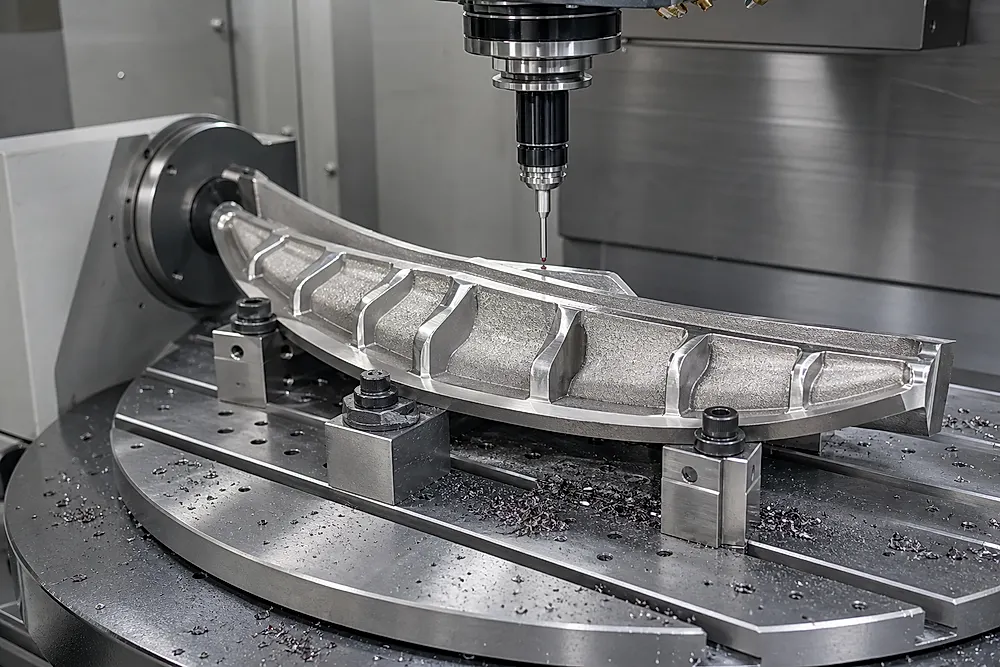
The same shift affects producers of titanium plate, bar, forgings, and machined parts. Near-net additive routes may reduce bulk material removal, but they increase the need for controlled finishing and verification. Machining shops may be asked to finish deposited blanks with less excess material, more complex geometry, and tighter links between inspection results and final dimensional acceptance.
That is why the buyer conversation should move from “Can you supply Ti-6Al-4V?” to “Can you support the evidence path for this process and application?”
A Practical Qualification Chain for Buyers
For aerospace-grade titanium additive manufacturing, a useful supplier review can be organized around seven links:
| Evidence link | What buyers should ask | Why it matters |
|---|---|---|
| Feedstock control | How are chemistry, diameter, surface condition, cleanliness, and lot identity controlled? | Wire behavior affects deposition stability and final material consistency. |
| Process window | What parameter ranges have been validated for the alloy, geometry, and equipment? | Repeatability depends on more than the alloy designation. |
| Material dataset | What tensile, fatigue, fracture, microstructure, and heat-treatment evidence exists? | Structural buyers need data that fits the application, not generic AM claims. |
| NDI method | Which inspection methods can detect relevant defects in deposited geometry? | Additive parts may require inspection logic different from forged or machined stock. |
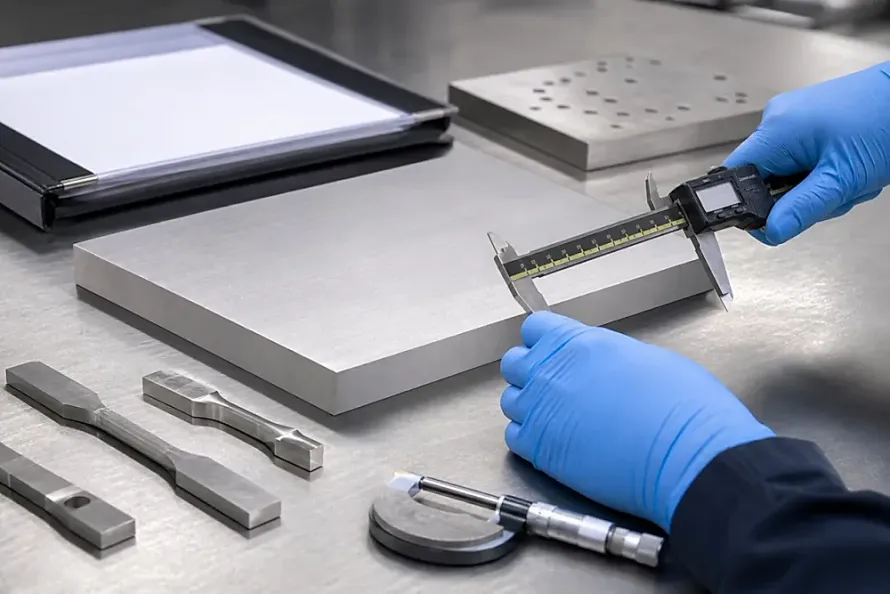
| Machining allowance | How much finish machining stock is needed, and where are datums created? | Near-net parts still need a reliable path to final dimensions and surfaces. |
| Certification evidence | What records connect feedstock, build, inspection, machining, and final acceptance? | Aerospace quality teams review the chain, not isolated certificates. |
| Supplier capability | Can the supplier repeat the route across batches and scale without losing control? | Industrialisation fails if evidence collapses outside a demonstration run. |
This framework is useful because it keeps the discussion grounded. It avoids treating additive manufacturing as either a miracle replacement for forging or a laboratory novelty with no production relevance. The real question is narrower and more important: where can a wire-fed titanium route make a qualified part faster, with less waste, while preserving the evidence discipline aerospace buyers require?
The Near-Term Impact Is Selective
The TITAN-AM announcement should not be read as proof that large titanium aerostructures are about to shift wholesale into LMD-w production. The programme is explicitly about industrialisation and readiness. GKN’s announcement points to material datasets, simulation, tailored NDI, and demonstrations precisely because those areas still need to be matured for broader structural use.
Airbus’ own w-DED activity shows the same step-by-step logic. Its January article described serial integration of large w-DED parts into the A350 cargo door surround area, with printing, ultrasonic inspection, machining, and installation all part of the route. That is a disciplined industrial pathway, not a blanket replacement of traditional titanium supply.
For titanium processors, the opportunity is therefore not to claim that every buyer should switch forms. It is to understand which part families are most exposed to buy-to-fly waste, long tooling lead times, complex geometry, or supply-chain pressure, and then prepare evidence for the routes that can credibly help.
What Titanium Suppliers Should Learn from TITAN-AM
The most durable lesson is that aerospace titanium competition is moving toward documented process capability. Product form still matters: wire, plate, bar, tube, forgings, and machined components each serve different engineering needs. But the higher-value question is how each form enters a qualified manufacturing chain.
Suppliers that can discuss titanium only as a grade list will struggle to participate in these conversations. Suppliers that can explain feedstock controls, machining allowances, NDI compatibility, traceability, and application-specific evidence will be more relevant as aerospace buyers test new routes.
TITAN-AM is not a final verdict on LMD-w titanium aerostructures. It is a signpost. The next stage of aerospace titanium supply will be won less by broad claims about lightweight metal and more by the ability to connect material, process, inspection, machining, and certification into one defensible record.
Related Products & Services
- Titanium wire (Gr.1/Gr.2/Gr.5) — chemistry, diameter, and surface controls relevant to wire-fed deposition feedstock
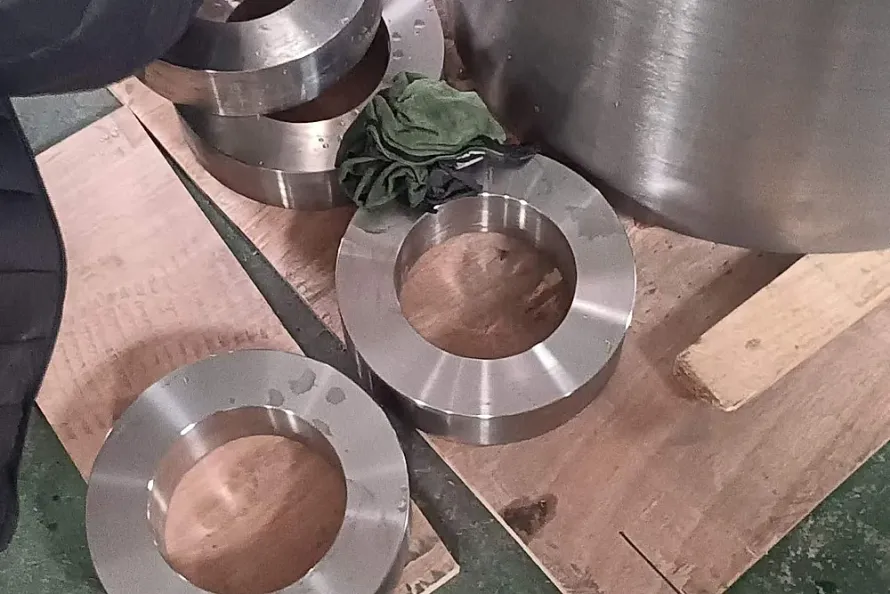
- Titanium forgings — large-section near-net stock for hybrid forge-plus-machine routes
- Titanium bar / rod — billet stock with ASTM B348 / B381 traceability
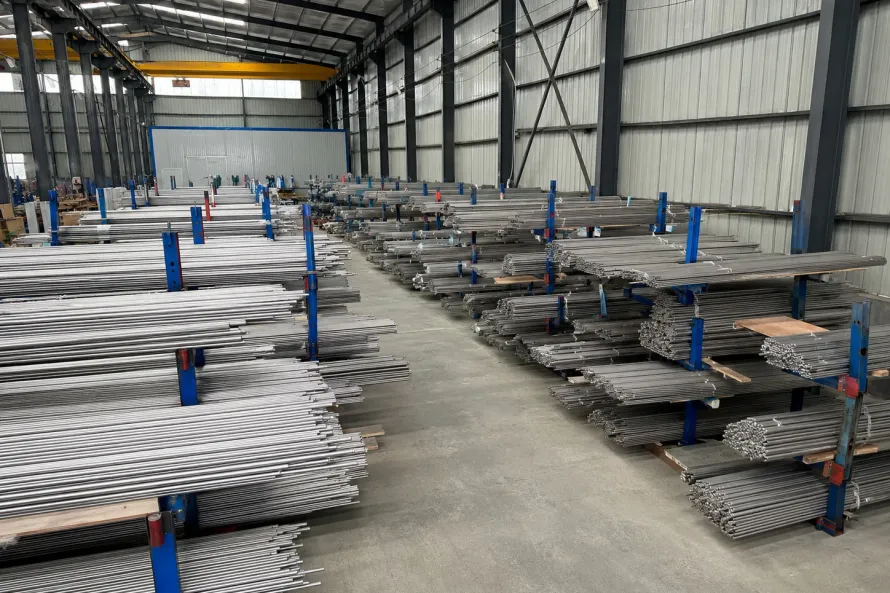
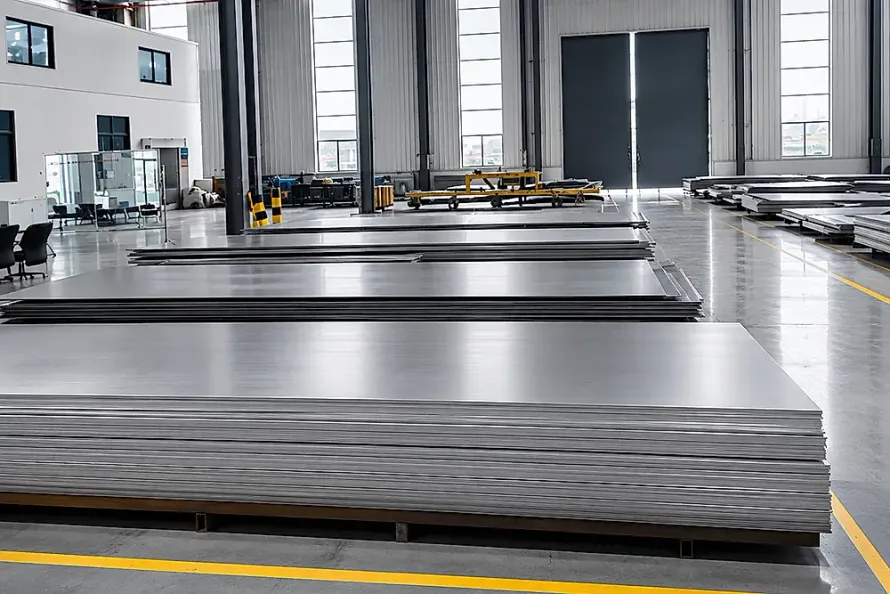
- Titanium sheet & plate — heavy-input stock for conventional machining baselines
- Special titanium alloys (Gr.5 / Gr.23 / Ti-6Al-4V ELI) — aerospace and medical grade reference
- Contract machining services — finish machining, datum control, dimensional verification for near-net blanks
- Titanium industry news — ongoing tracking of aerospace titanium qualification, AM, and supply-chain shifts
FAQ
# What is the main titanium supply-chain lesson from TITAN-AM?
# Does LMD-w replace titanium plate, forgings, or machining?
# Why does titanium wire quality matter so much in LMD-w?
# What should buyers ask when evaluating aerospace titanium additive suppliers?
# Why are Airbus and Boeing delivery figures included in the article?
# How does this change procurement conversations for non-aerospace titanium buyers?
Need this material? Get a factory-direct quote.