Type something to search...
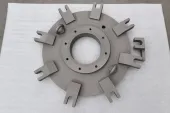
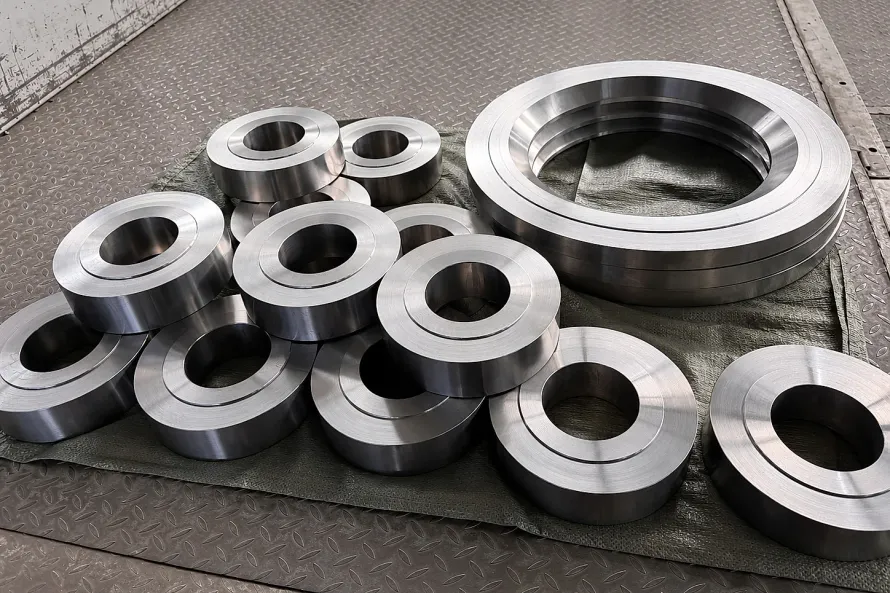
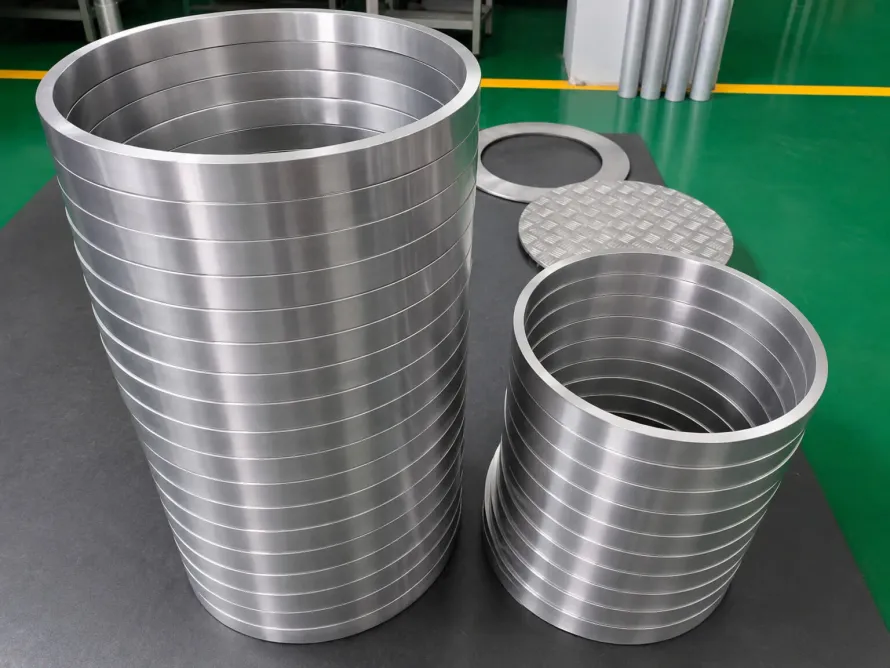
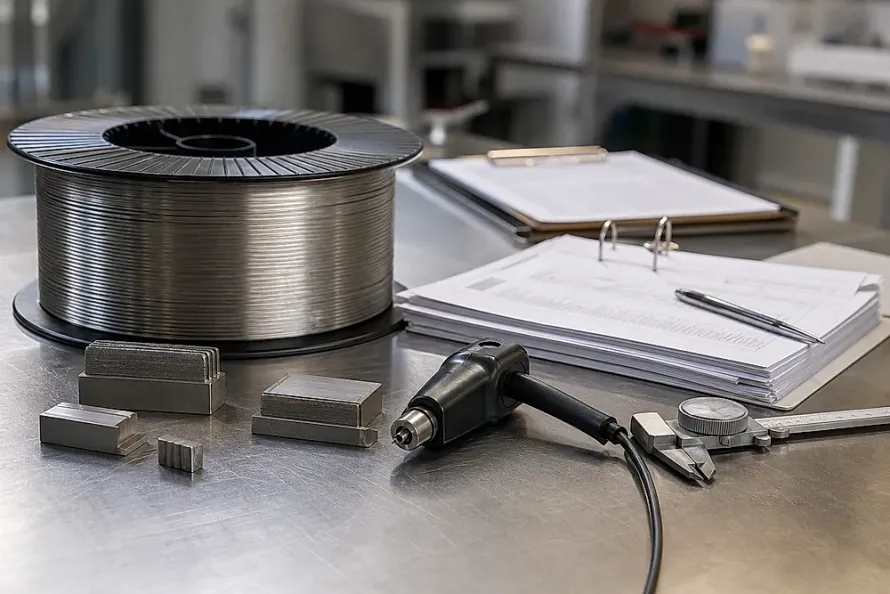
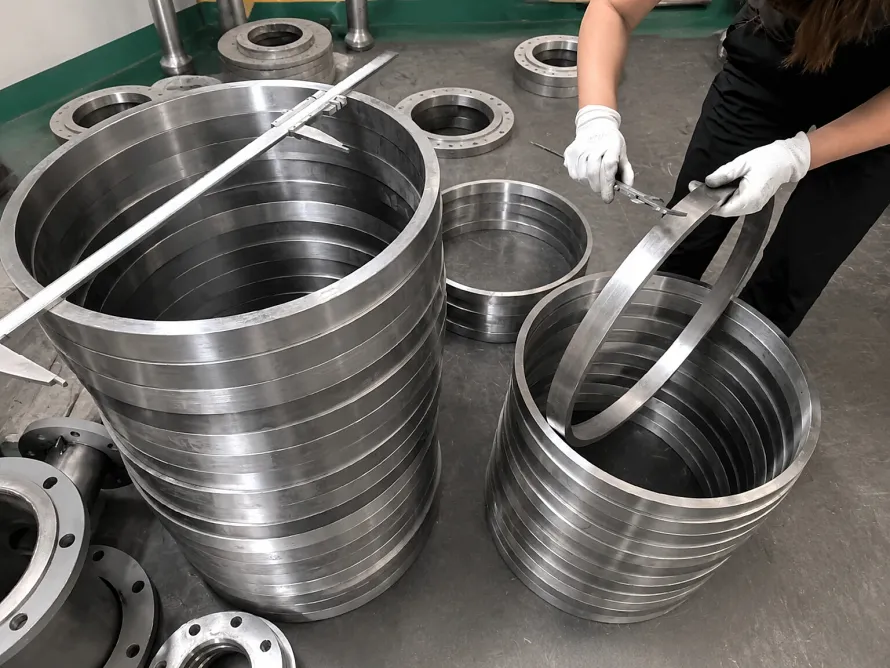
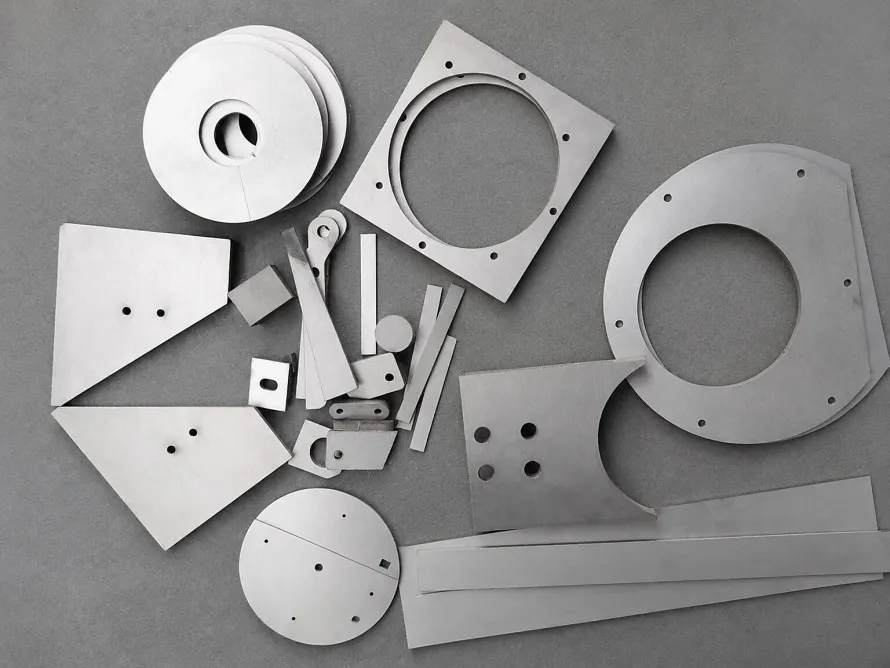
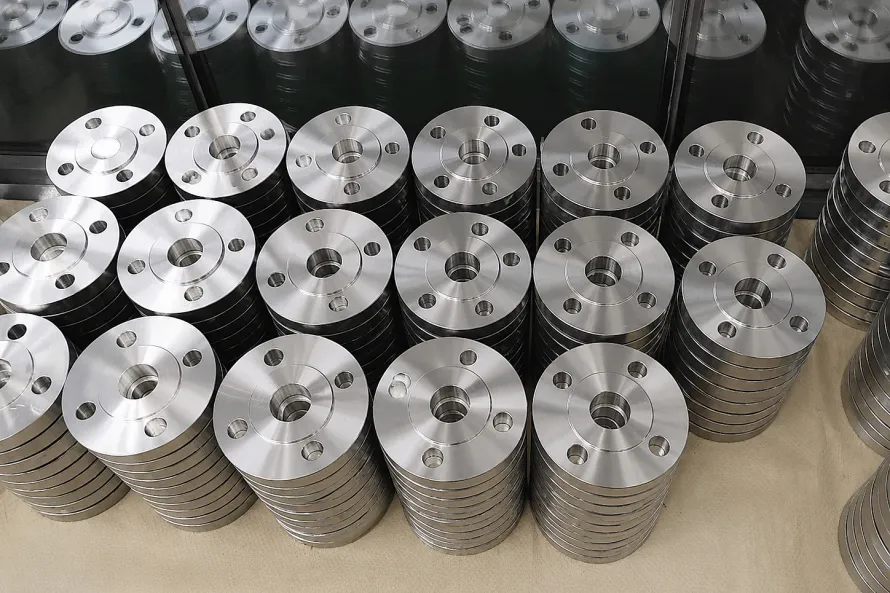
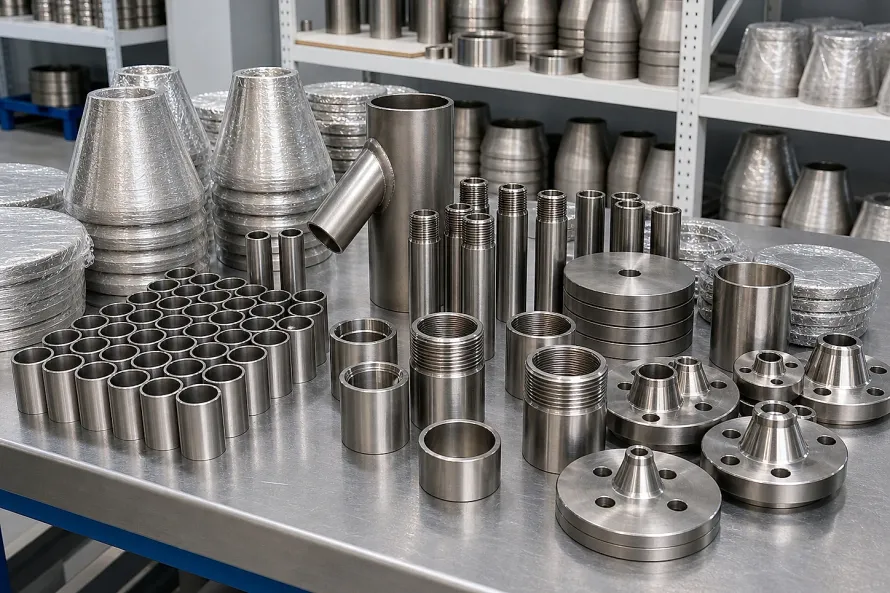
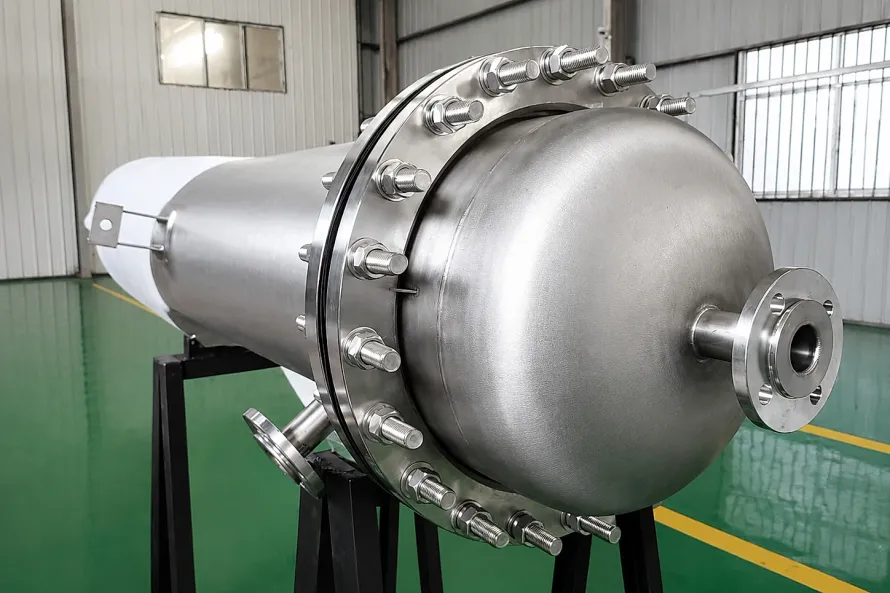
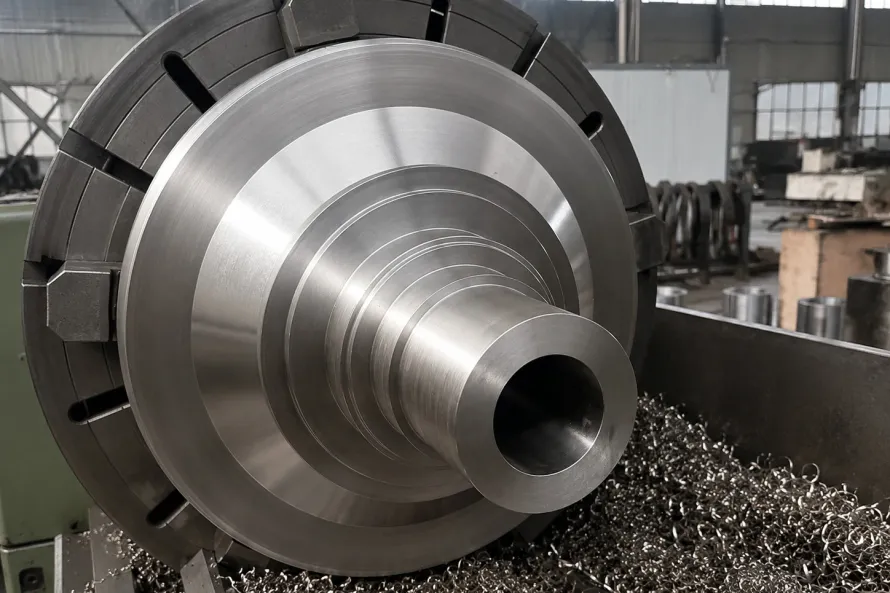
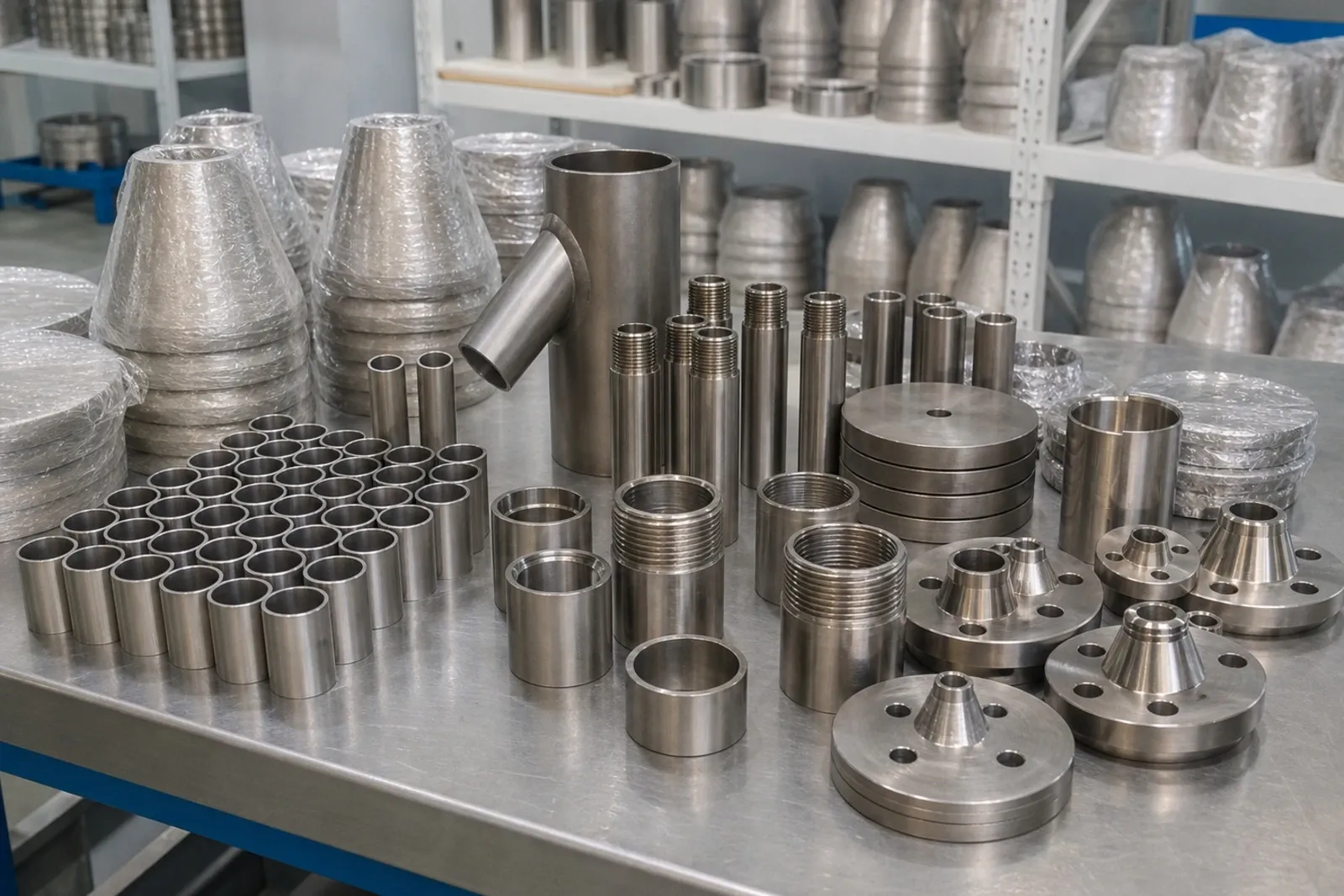
Machined titanium sleeves, threaded fittings, flanges, and round components on a factory bench, showing finished parts that still need lot-level release evidence.
  • By Jason/ On 06 Jun, 2026

IperionX's Fastener Tests: Why Titanium Buyers Need a Fastener-to-Platform Release File

IperionX’s June 1, 2026 titanium fastener announcement is not just a lighter-than-steel story. For buyers of titanium bars, machined components, forgings, and finished fasteners, the more useful signal is that a promising mechanical test result still has to be converted into a release file that matches the actual platform, joint, lot, and inspection route.
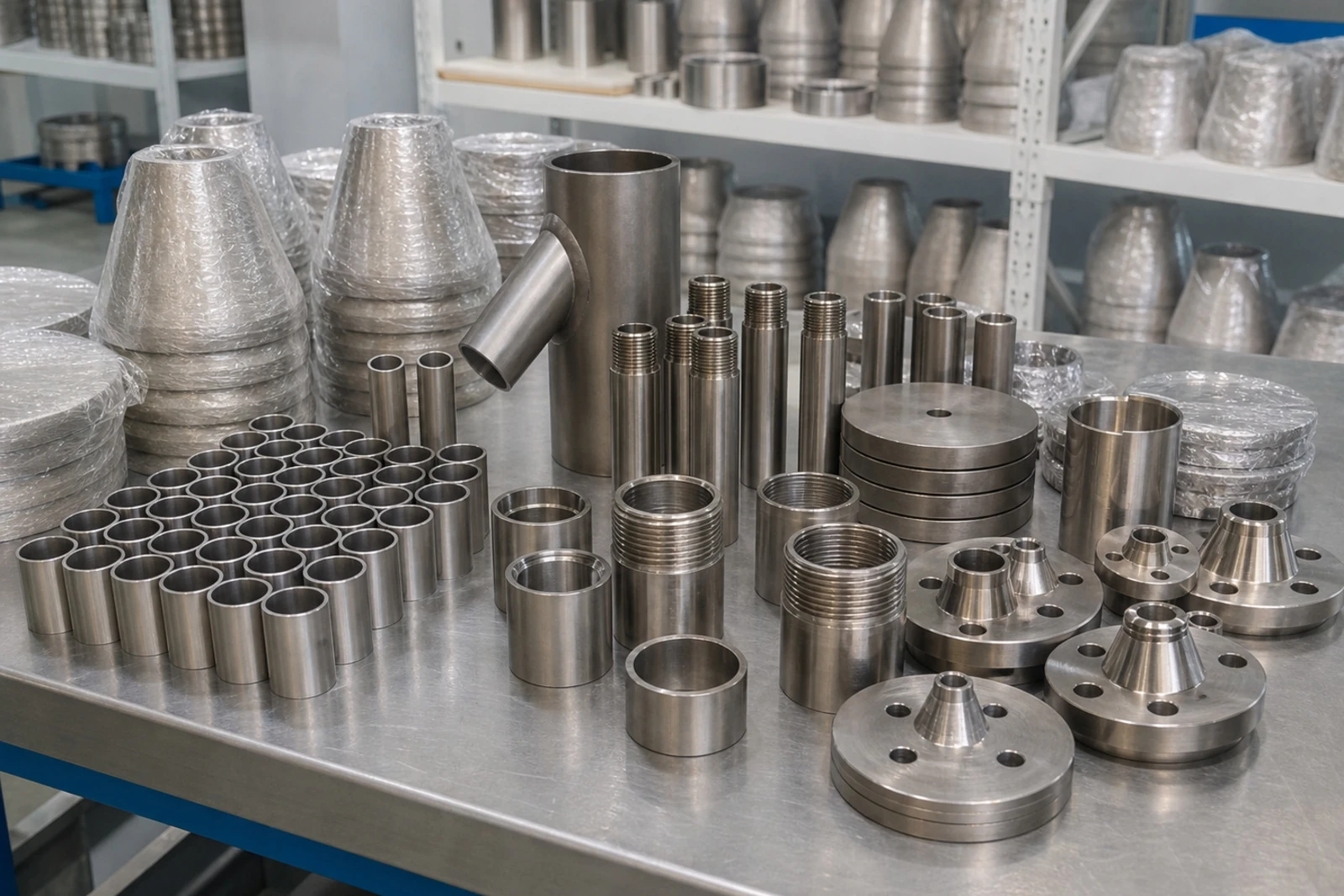
Machined titanium sleeves, threaded fittings, flanges, and round components on a factory bench, showing finished parts that still need lot-level release evidence.

IperionX said testing by the U.S. Army DEVCOM Ground Vehicle Systems Center and Westmoreland Mechanical Testing & Research evaluated Ti-6Al-4V titanium fasteners against comparable SAE Grade 8 steel fasteners. The company reported that 3/4-10 x 3.0-inch titanium fasteners demonstrated 563 to 615 ft-lbf yield torque, compared with 480 to 502 ft-lbf for SAE Grade 8 steel under the same program. It also said WMTR tensile testing under ASTM F606/F606M-25a confirmed 135 to 137 ksi yield strength and 149 to 152 ksi ultimate tensile strength, and that Ti-6Al-4V is typically 40% to 45% lighter than steel.

Those numbers matter. They make the news more concrete than a generic “titanium is strategic” headline. But they do not remove the buyer’s next responsibility: deciding whether a tested fastener can be released into a specific platform, torque procedure, service environment, and maintenance record.

The Result Is Product-Level, Not Platform Approval

The strongest part of the announcement is that it moves the discussion from raw material promise to product-level validation. Titanium suppliers often talk about strength-to-weight ratio, corrosion resistance, domestic supply, or powder-to-product manufacturing. A fastener test is narrower and more useful because it asks whether a finished part can meet a recognizable benchmark under a named test program.

That is still different from platform approval. A defense, aerospace, marine, or industrial buyer cannot treat a torque-to-yield result as a blanket replacement rule. The buyer still has to know the joint design, thread engagement, clamp load, mating material, galvanic boundary, coating or lubrication condition, installation tooling, maintenance procedure, and service environment.

For titanium processors, this distinction is important. A material certificate proves a heat, chemistry, and mechanical-property basis. A product test proves a sample set under a defined method. A release file has to connect both to the actual lot and use case.

Why Fasteners Are Not Just Small Bar Stock

Fasteners are easy to underestimate because they are physically small. In procurement terms, they are not small. They are repeat-order components that often sit at the edge of structural responsibility, field maintenance, corrosion exposure, and installation discipline.

A titanium bar supplier can support the chain with heat traceability, chemistry, mechanical properties, straightness, surface condition, and packaging records. A machining supplier can add thread form, dimensional inspection, burr control, surface finish, cleaning, and lot segregation. A fastener producer has to go further: it must show that the finished geometry, processing route, and mechanical performance remain stable enough for the intended joint.
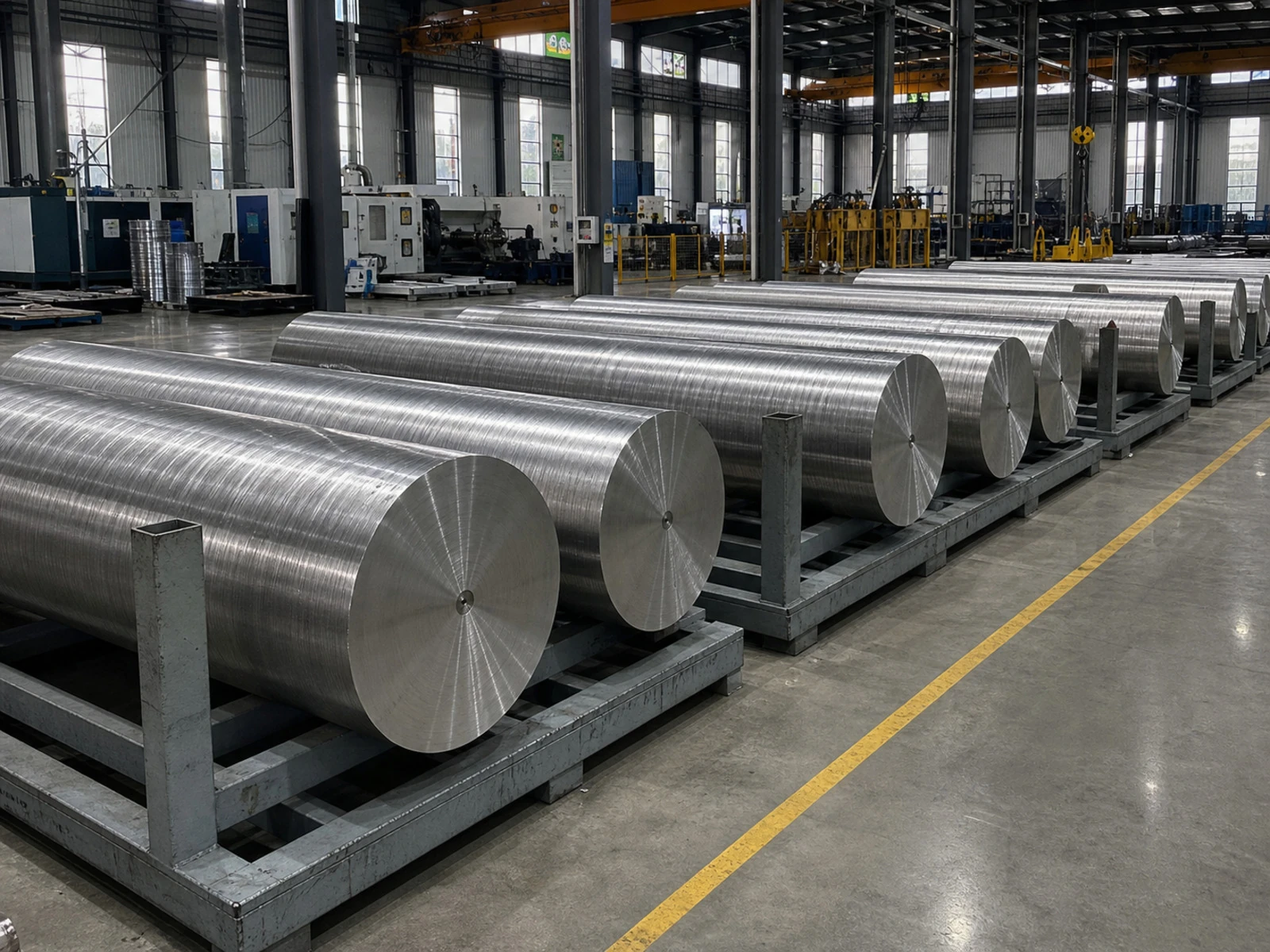
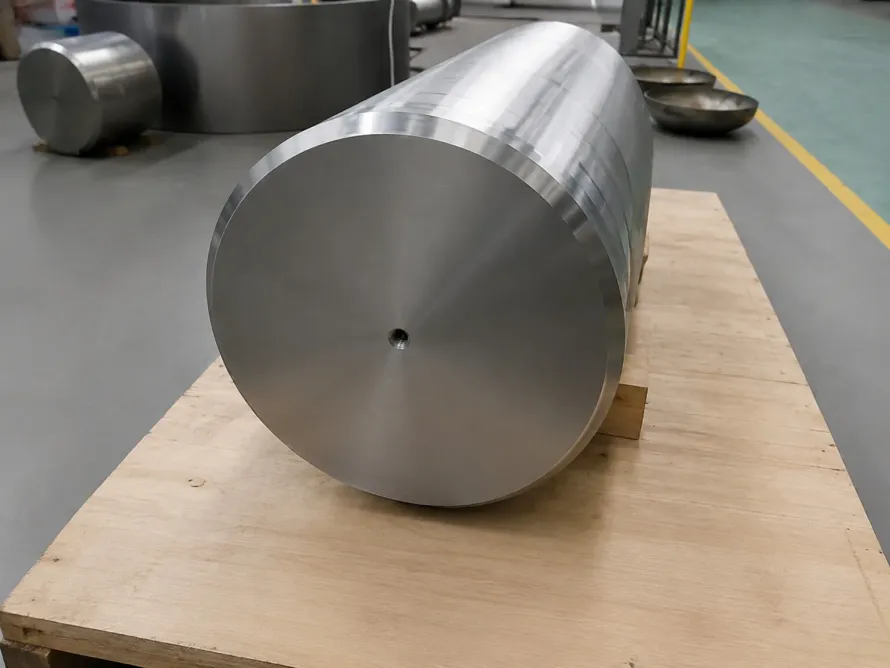
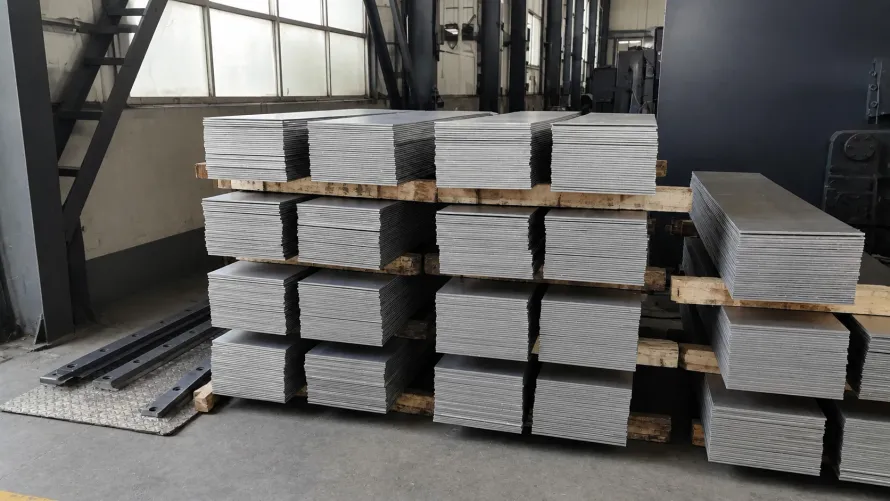
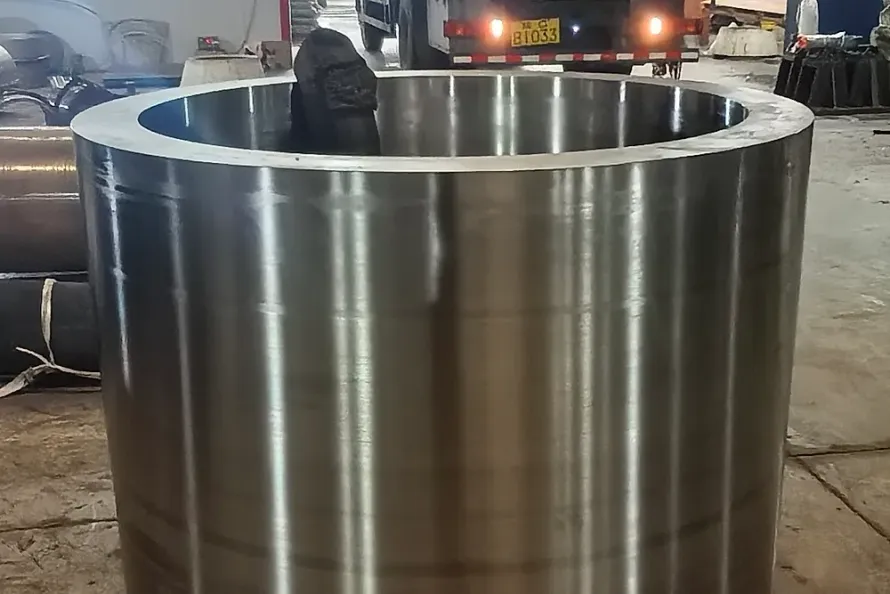
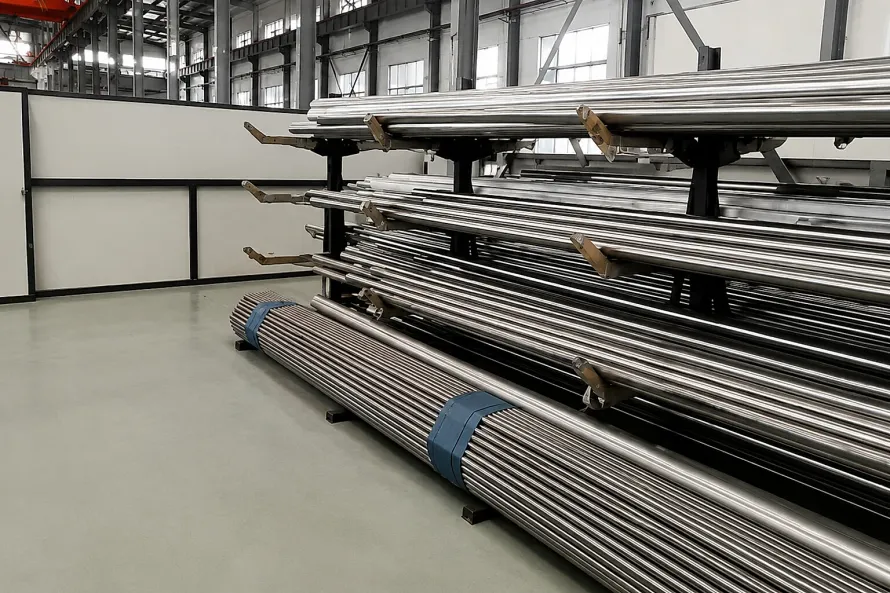
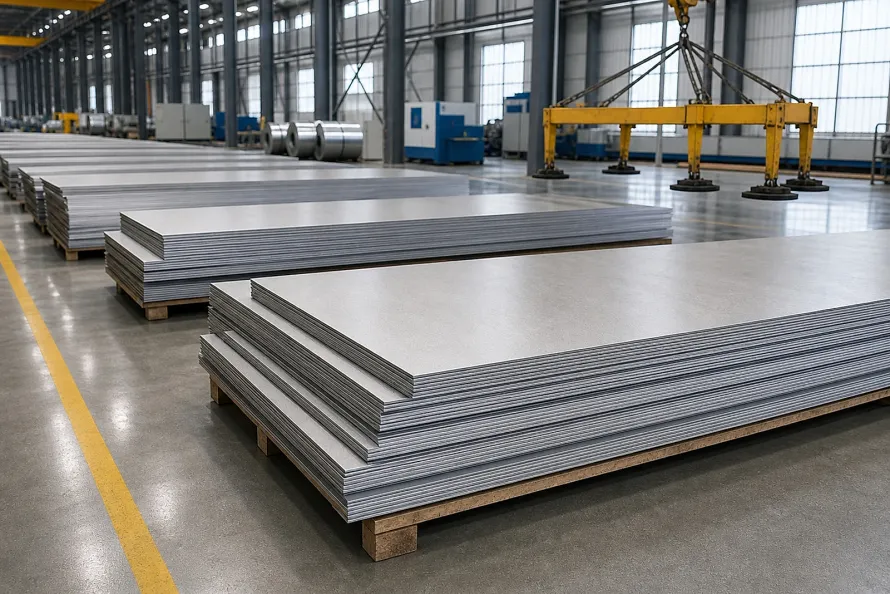
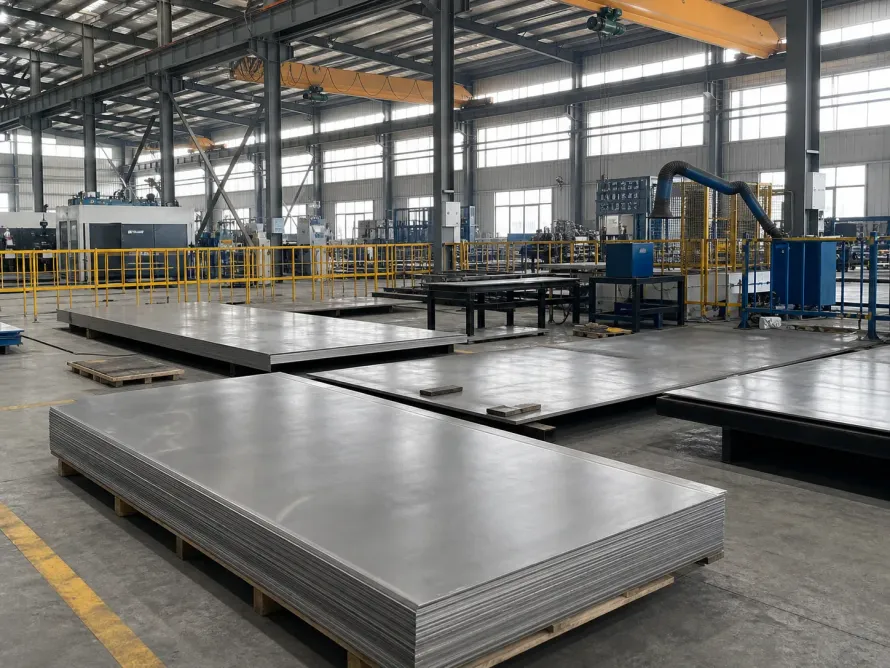
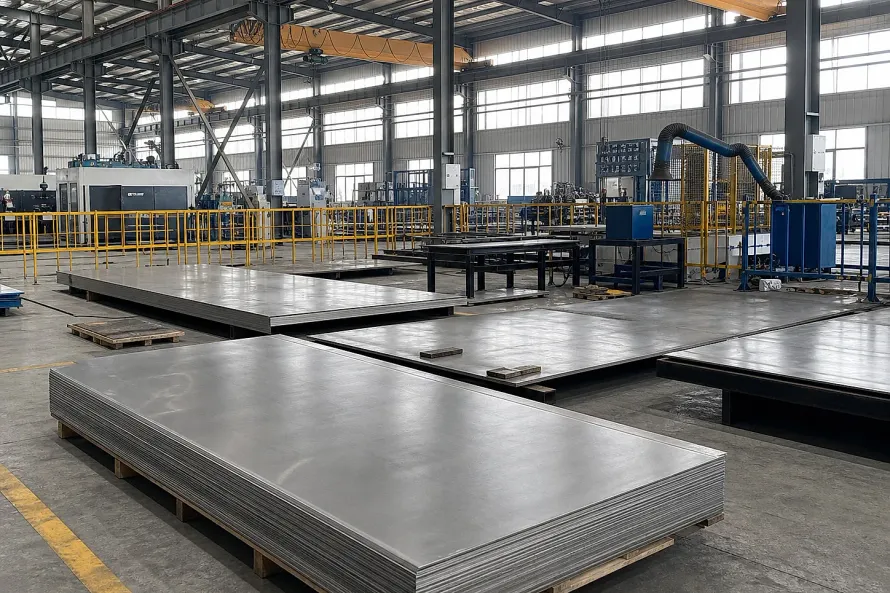
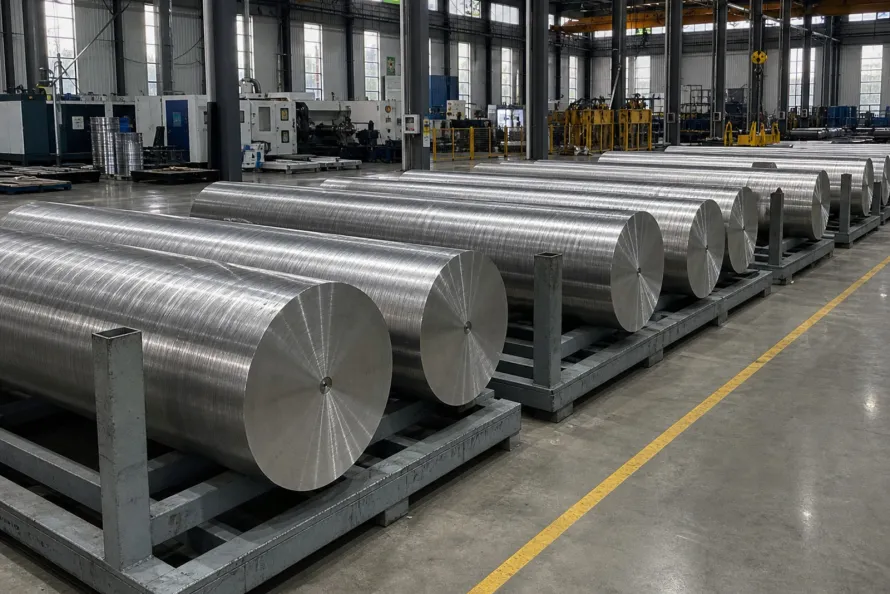
Large titanium bar stock staged in a factory, illustrating the upstream material route that must remain traceable before it becomes a finished fastener or machined component.

This is where titanium substitution gets serious. Replacing a steel fastener with a titanium fastener is not only a material decision. It changes mass, corrosion behavior, stiffness, installation response, torque window, and sometimes the way technicians read risk. The mechanical result may open the door, but the release file keeps the door from being mistaken for a finished qualification.

A Fastener-to-Platform Release File

The reusable file should not be a thick binder built for its own sake. It should be a compact chain of evidence that lets a buyer answer one question: can this fastener lot be connected to this platform responsibility without guessing?

Evidence layerWhat the buyer should verify
Material and route identityAlloy, heat or powder lot, production route, process revision, and whether the part is made from bar stock, powder metallurgy, forging, or another controlled route.
Drawing and thread boundaryDrawing revision, thread class, dimensional tolerance, surface finish, head geometry, shank length, washer or nut interface, and any controlled installation feature.
Mechanical test bridgeTensile, torque-to-yield, torque-tension, hardness, fatigue, or other tests tied to the same size family, process route, and release lot.
Installation conditionTorque procedure, lubrication, coating, tool setting, preload target, reuse rule, and maintenance responsibility.
Service environmentCorrosion exposure, temperature, vibration, galvanic pairing, contact material, cleaning chemistry, and expected inspection interval.
Lot release packageCertificate of conformity, material test report, inspection report, nonconformance closure, packaging label, and serial or batch traceability.
Change controlAny change in feedstock source, process route, thread method, surface treatment, subcontractor, test method, packaging, or drawing revision.

This framework matters even when a buyer is not purchasing IperionX fasteners. A titanium distributor selling bars for fastener machining, a shop machining titanium threaded components, and a supplier offering titanium forgings all face the same buyer question: where does the responsibility move from material availability to finished-part release?

What Titanium Suppliers Can Own

Titanium suppliers should be careful not to overclaim platform approval. The stronger commercial position is to own the evidence they can genuinely control.

For bars, tubes, plates, and forgings, that means clean material identity, heat traceability, dimensional stability, surface condition clarity, and records that can survive downstream machining. For machined titanium components, it means drawing control, process revision, inspection method, burr and cleanliness control, packaging, and lot release discipline. For finished fasteners, it means matching the production route to the mechanical and installation evidence that the buyer will actually need.
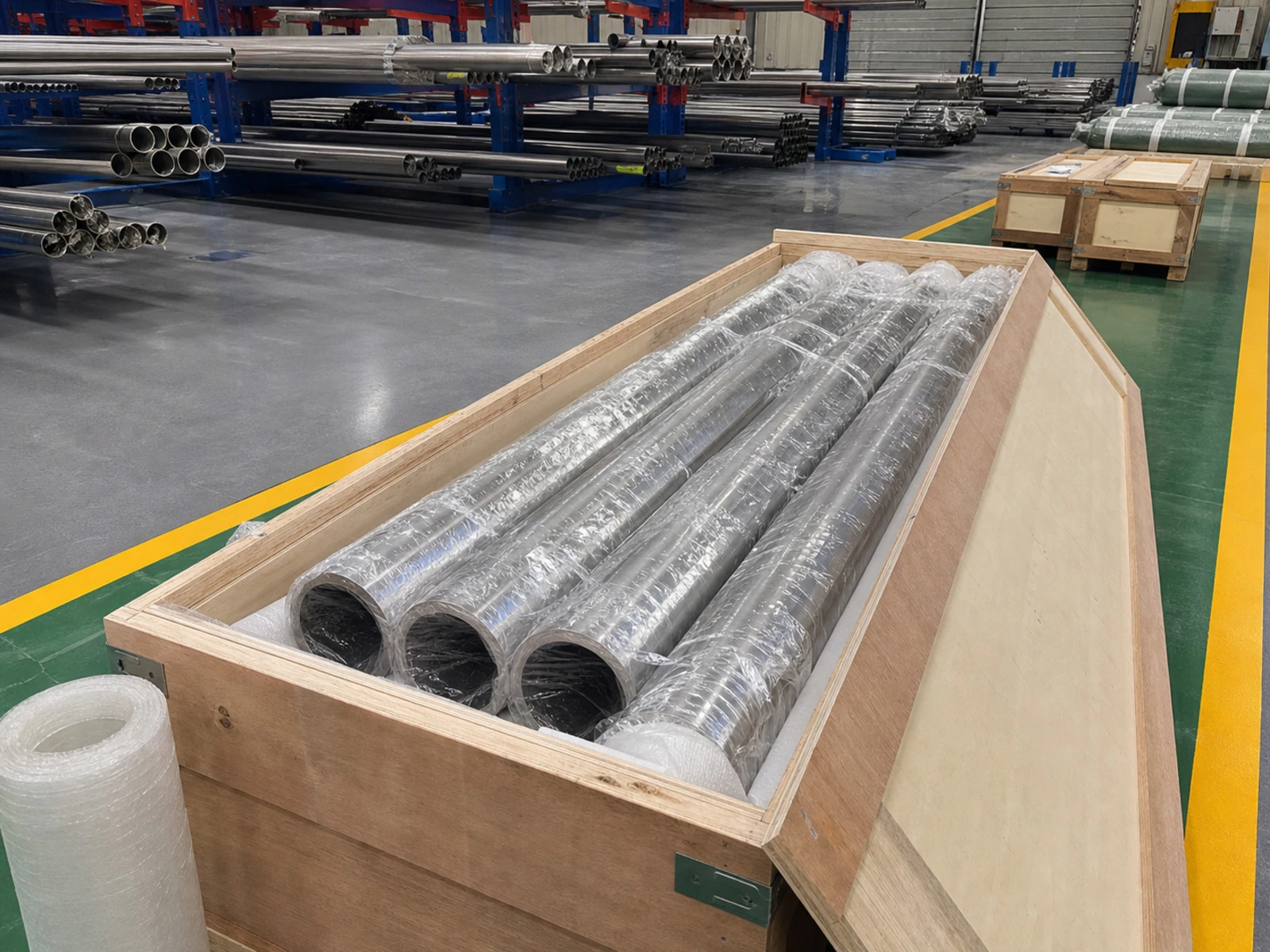
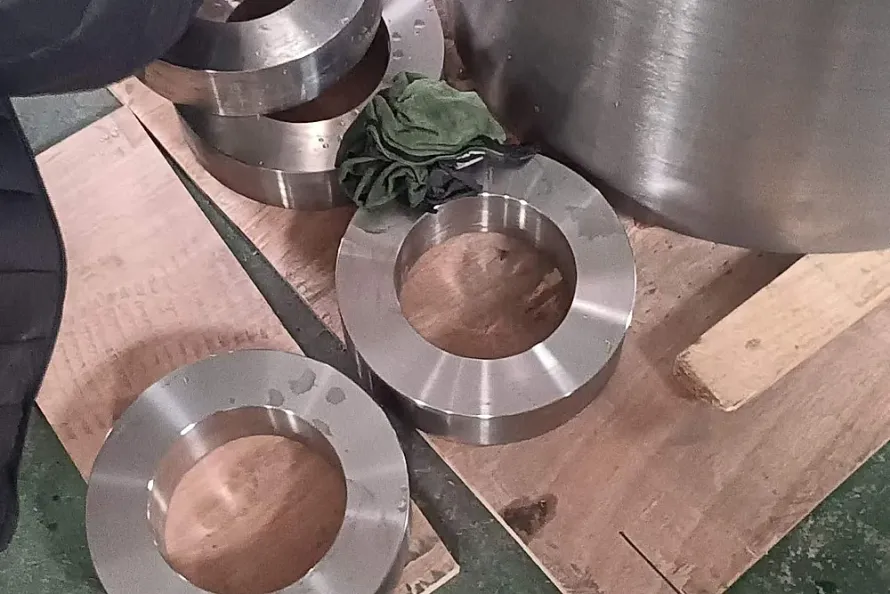
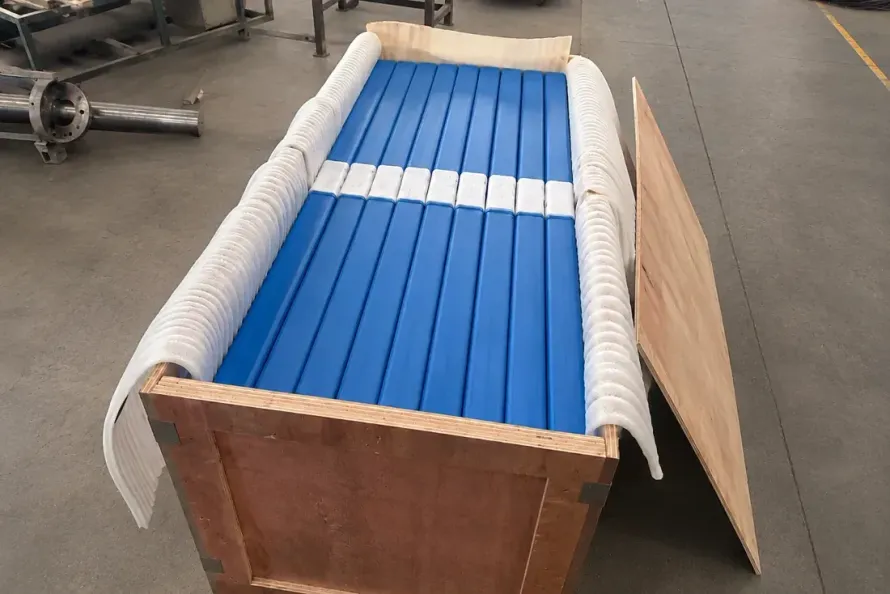
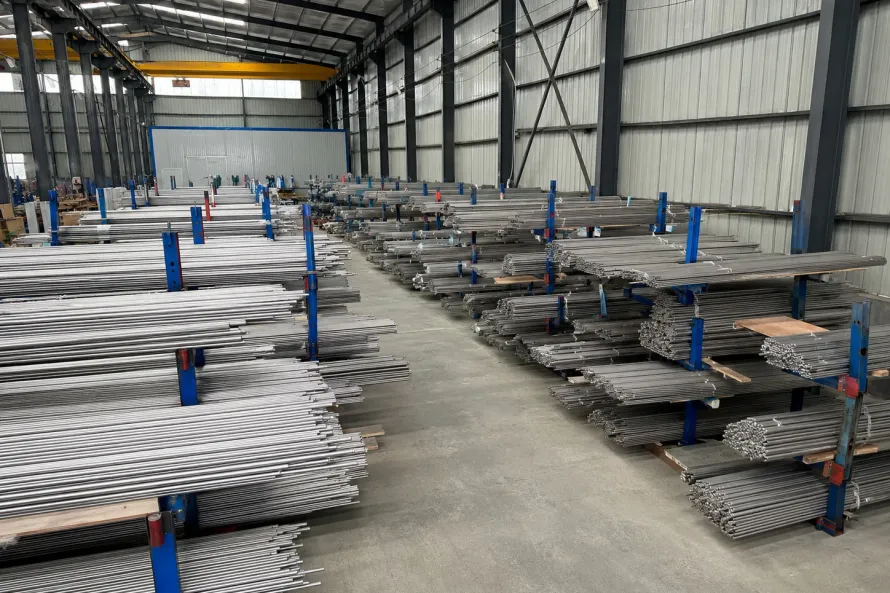
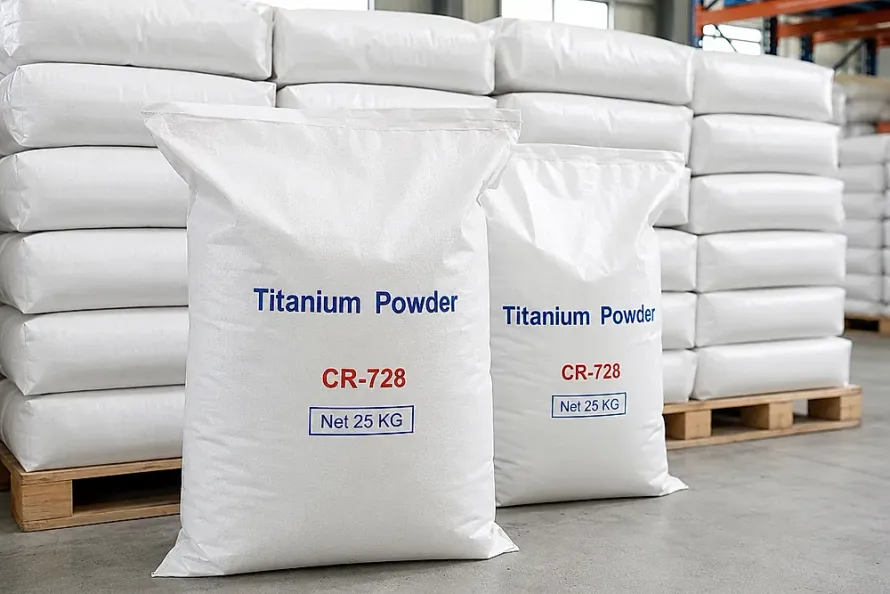
Packaged titanium tubes in a factory crate, showing how protection, labeling, and lot handling support release documentation before shipment.

The IperionX announcement also shows why suppliers should separate “tested against a benchmark” from “released for a platform.” The first can be a valuable technical milestone. The second belongs to a controlled customer approval path.

What Buyers Should Not Overread

The test results do not prove that every titanium fastener can replace every SAE Grade 8 steel fastener. They do not prove price, delivery, fatigue life, corrosion behavior in every assembly, or approval for any specific aircraft, vehicle, vessel, tool, or industrial system. They also do not make a powder-to-product route interchangeable with a billet, forged, or machined route without evidence.

That restraint does not weaken the story. It makes the story more useful. Titanium adoption often fails when teams jump from material advantage to application confidence too quickly. A fastener may be lighter and strong enough in a test, but the buyer still needs a record that explains how the part was made, inspected, installed, and controlled after delivery.

The practical test is simple: can a quality reviewer connect the delivered fastener lot to the platform, joint, test method, installation condition, and change-control boundary without calling five people?

If the answer is yes, the buyer has moved beyond a headline into a usable release file. If the answer is no, the buyer may have a promising titanium fastener, but not yet a dependable substitution decision.

FAQ

# What is a fastener-to-platform release file for titanium buyers?
It is a compact evidence package that links a titanium fastener lot to the platform or joint where it will be used. It should connect material identity, production route, drawing and thread details, mechanical test evidence, installation condition, service environment, lot release records, and change control.
# Why do titanium fastener test results not equal platform approval?
A test result proves a sample set under a defined method, not every joint, platform, or service environment. Buyers still need evidence for thread engagement, preload, coating or lubrication, galvanic boundary, maintenance procedure, inspection route, and the exact lot that will be installed.
# What should buyers request before replacing steel fasteners with titanium fasteners?
Buyers should request alloy and route identity, drawing revision, thread class, dimensional inspection, tensile or torque evidence, installation procedure, service-environment limits, certificate of conformity, material test report, lot labels, nonconformance closure, and written change-control triggers.
# How can titanium bar or machining suppliers support finished-fastener qualification?
They can keep the upstream record intact. For bar stock, that means heat traceability, chemistry, mechanical properties, straightness, surface condition, and packaging records. For machined parts, it means drawing control, process revision, inspection method, burr and cleanliness control, packaging, and lot-level release discipline.
# What should buyers avoid assuming from IperionX's fastener announcement?
Buyers should not assume universal replacement of SAE Grade 8 steel fasteners, platform approval, guaranteed price or delivery, fatigue life, corrosion behavior in every assembly, or interchangeability between powder-to-product and billet, forged, or machined routes without additional evidence.

Need this material? Get a factory-direct quote.

Request a Quote
Tags

Related Posts

Aerospace and Defense
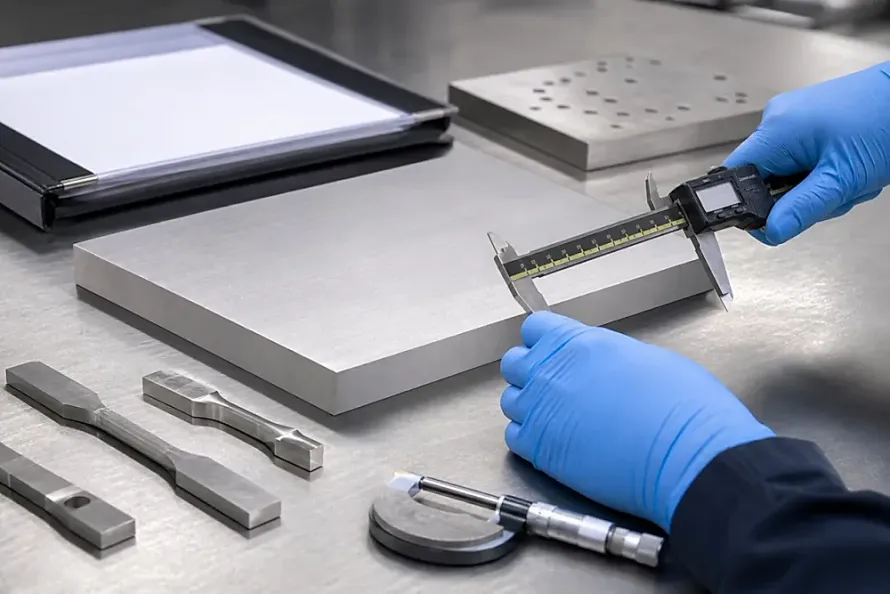
A titanium quality-control bench with plates, machined coupons, calipers and gloved inspection hands, showing how aerospace procurement depends on traceable evidence
By Jason/ On 06 May, 2026

Aerospace Orders Are Turning Titanium Procurement Into a Qualification Chain

voestalpine's new aerospace order book is not only a contract story. It is a signal about how aircraft supply chains are valuing titanium products in 2026: not as isolated bars, sheets, tubes or forgings, but as qualified material packages tied to processing, inspection evidence, certification readiness and delivery control. The Austrian steel and technology group said on April 8 that its High Performance Metals Division had secured aerospace orders worth around EUR 1 billion over five years. The agreement includes Airbus-related business and covers high-performance materials, complex forged parts and global logistics. The company said its aerospace portfolio includes bars, sections, sheets, plates and special forged parts, with titanium alloy forgings produced at Kapfenberg and high-tech titanium sheets produced at Muerzzuschlag. It also described heat treatment, surface treatment, additive manufacturing processes and a global service network as part of the division's capability set (voestalpine).For titanium processors and export buyers, the important point is not that one European supplier won a large order. The more useful signal is that aerospace customers are buying a chain of assurance. A titanium plate, bar or forged billet has limited value in aircraft programs if it is separated from the route that proves chemistry, mechanical performance, heat history, inspection status, traceability and delivery reliability. Why the Order Matters Beyond One Supplier Aerospace demand remains strong enough to keep pressure on qualified material channels. Airbus reported 9,037 commercial aircraft in its order backlog at the end of March 2026, even as Q1 deliveries fell to 114 aircraft from 136 a year earlier. The company said it was continuing its ramp-up while navigating Pratt & Whitney engine shortages (Airbus). That pattern matters for titanium because aircraft production is constrained by qualified components and inputs, not only by final assembly demand. Reuters reported in February that aviation supply constraints had become a durable operating condition, with some component and material orders stretching toward a year. In the same report, a Future Metals executive said titanium and nickel tubing lead times were still 50 to 60 weeks, far above the pre-pandemic norm of about 20 weeks (Reuters via Investing.com). Even if some lead times have improved from 2025 extremes, the procurement lesson remains: qualified titanium availability is still a planning variable, especially for tubing, forgings and precision material forms that must enter certified assemblies. The raw-material side adds another layer. The U.S. Geological Survey's 2026 titanium summary said the United States did not produce titanium sponge metal in 2025 and estimated net import reliance for sponge at 100%. It also reported estimated 2025 sponge imports of 44,000 metric tons and noted that most titanium metal use was in aerospace applications, with the rest spread across armor, chemical processing, marine hardware, medical implants, power generation and other uses (USGS). That does not mean every titanium buyer faces an immediate shortage. It does mean downstream buyers should distinguish between feedstock exposure, mill product availability and qualified component readiness. These are related, but they are not the same risk. The New Buyer Framework: Five Gates, Not One Price For titanium bars, tubes, plates, sheets and forgings, aerospace procurement increasingly works through five gates:Gate What buyers need to verify Why it mattersMaterial form Bar, tube, plate, sheet, forging, billet, wire or powder route The form determines downstream machining, forming, inspection and qualification workProcess route Melting, rolling, forging, heat treatment, machining or additive manufacturing path Process history affects mechanical properties and repeatabilityInspection evidence Chemical tests, mechanical tests, ultrasonic or other non-destructive inspection, dimensional records Aerospace programs need proof, not only supplier claimsCertification package Standards, mill test certificates, traceability, conformity documents and customer-specific approvals Documentation failure can stop an otherwise usable materialDelivery resilience Lead time, logistics, inventory discipline and alternate qualified routes Aircraft programs need predictable flow, not spot availabilityThis framework is more practical than asking whether titanium prices are rising or falling. A lower raw-material price does not solve a missing NDI record. Available plate stock does not solve a forgings bottleneck. A fast quote does not replace customer-approved process history.Additive Manufacturing Reinforces the Same Lesson The same evidence-chain logic is visible in titanium additive manufacturing. On April 13, GKN Aerospace announced an $8.4 million TITAN-AM program with the U.S. Air Force Research Laboratory to industrialize Laser Metal Deposition with Wire for large titanium aerostructures. The program is not framed only around printing parts. It focuses on process industrialization, titanium material datasets, simulation, non-destructive inspection techniques and component demonstration (GKN Aerospace; see our earlier read on TITAN-AM and the aerospace titanium qualification picture). That detail is important for traditional titanium product suppliers. Wire-fed additive manufacturing does not simply replace forged or machined products overnight. It adds another qualified route that still depends on material data, inspection methods and customer confidence. For some structural components, additive routes may reduce waste or shorten specific process chains. For many other applications, forged billet, rolled plate, tube or machined bar stock will remain the practical route. In both cases, buyers are rewarding suppliers that can explain the process route and prove repeatability. What Export Titanium Suppliers Should Take From This For export suppliers of titanium bars, tubes, plates, sheets and forgings, the commercial opportunity is not to imitate the scale of voestalpine's aerospace business. Most suppliers will not compete directly for integrated aircraft-program packages. The useful takeaway is narrower and more actionable: serious buyers are screening for evidence maturity. A supplier that sells titanium tubes into heat exchangers, plates into chemical equipment, bars into machined parts or forgings into aerospace-adjacent applications can strengthen its position by making the evidence chain easier to inspect. That means clearer grade control across Gr.1/Gr.2/Gr.5/Gr.7/Gr.12 and Gr.23 grades, more disciplined heat and batch traceability, test records that match the buyer's standard, transparent processing limits, and realistic lead-time communication. The same applies outside aerospace. Medical, chemical processing and energy buyers may not have the same program structure as Airbus suppliers, but they often care about the same titanium properties: corrosion resistance, strength-to-weight ratio, fatigue behavior, cleanliness, dimensional stability and documented compliance. When raw material supply is globally concentrated and qualified processing capacity is uneven, documentation becomes part of the product. The defensible conclusion is simple: aerospace orders are not just pulling more titanium through the system. They are pulling titanium through a more demanding qualification chain. Suppliers that can connect product form, process route, inspection evidence, certification and delivery discipline will be easier for buyers to evaluate. Suppliers that only describe titanium as available stock will look less prepared for the procurement reality now shaping high-value titanium demand.Related Products & ServicesTitanium forgings — Gr.1/Gr.2/Gr.5/Gr.7/Gr.12, AMS 4928 / ASTM B381 channels Titanium tubes — heat exchanger and aerospace-adjacent tubing with traceable mill certs Titanium sheets & plates — chemical, marine and structural plate stock Titanium bar / rod — ASTM B348 / B381 with batch traceability Titanium wire — feedstock-grade wire for AM and welding routes Special titanium alloys (Gr.5 / Gr.23 / Ti-6Al-4V ELI) — aerospace and medical-grade reference Contract machining services — finish machining, dimensional verification and inspection-friendly delivery Titanium industry news — ongoing tracking of aerospace titanium qualification, procurement and supply-chain shifts

Aerospace and Defense
Aerospace Titanium Supply Chain Is Being Reshaped by 3D Printing and Domestic Production
By William Jacob/ On 04 Apr, 2026

Aerospace Titanium Supply Chain Is Being Reshaped by 3D Printing and Domestic Production

The aerospace titanium supply chain is undergoing its most significant transformation in decades. Three forces are converging at once: additive manufacturing is reaching industrial scale, Western nations are racing to build domestic titanium capacity, and China's dominance over global production continues to grow. For procurement teams and engineers sourcing titanium for flight-critical applications, understanding these shifts is no longer optional — it is essential. As a supply chain platform rooted in Baoji, China's "Titanium Valley" and the epicenter of the nation's titanium production, Titanium Seller has a front-row seat to these changes. Here is what we see happening — and what it means for buyers worldwide. The Geopolitical Backdrop: Who Controls Aerospace Titanium? The numbers tell a stark story. China's share of global titanium metal production has surged from approximately 40% in 2019 to over 75% in 2025, according to Project Blue and multiple industry analysts. Meanwhile, the United States has been entirely import-dependent for titanium sponge — the foundational raw material — since 2020, when the last major US production facility in Henderson, Nevada, shut down. This concentration of supply has become a strategic concern. Project Blue projects that Western aerospace manufacturers will need more than 1.6 million tonnes of titanium by 2044 to build roughly 46,000 new commercial aircraft. The aerospace titanium market alone is expected to grow from USD 3.4 billion in 2026 to USD 7.2 billion by 2035, at a CAGR of 8.6%. Russia, historically a primary supplier of aerospace-grade titanium to Western OEMs, remains constrained by ongoing sanctions and geopolitical tensions. This leaves China as the dominant force in global titanium production — a reality that is driving urgent action in Europe and North America. Airbus Breaks New Ground: 7-Meter Titanium Parts via 3D Printing Perhaps the most exciting development in aerospace titanium this year is Airbus's industrial deployment of wire-Directed Energy Deposition (w-DED) technology. Using a multi-axis robotic arm armed with a spool of titanium wire, Airbus can now 3D-print structural titanium components up to seven meters long for the A350 program. Why does this matter? Traditional titanium forging is notoriously wasteful. The industry's "buy-to-fly ratio" — the amount of raw titanium purchased versus what actually ends up in the finished part — typically means 80–95% of material is machined away and recycled. W-DED creates near-net-shape parts, dramatically reducing waste at the source. The production speed is also transformative. W-DED systems produce several kilograms of deposited titanium per hour, compared to hundreds of grams per hour for conventional powder-bed fusion systems. Tooling design timelines have shrunk from two years with traditional forging to just a few weeks through computer programming. Airbus has already moved this technology into serial production for A350 Cargo Door Surround components, with plans to expand to wings and landing gear. This signals a fundamental shift: additive manufacturing is no longer a prototyping curiosity — it is becoming a production workhorse for large, structural titanium aerospace parts. The Multi-Laser Revolution: LPBF Scales Up Beyond w-DED, powder-bed fusion technology is also reaching new scales. Modern Multi-Laser Powder Bed Fusion (LPBF) systems now operate with up to 12 simultaneous lasers, reducing build times by more than 60% and lowering per-unit costs through economies of scale. Manufacturers can now mass-produce turbine blades, engine brackets, and complex internal geometries using Grade 5 Ti-6Al-4V — the workhorse alloy for aerospace applications. The aero-engine segment alone accounted for 48.6% of the aerospace titanium market in 2025, driven by titanium's critical role in compressor blades, fan cases, and turbine disks. For the additive manufacturing supply chain, this creates surging demand for high-quality titanium powder and wire feedstock — areas where Baoji's integrated production ecosystem offers distinct advantages. America's Reshoring Race: Billions at Stake The US government is responding to the supply chain vulnerability with significant investment. American Titanium Metal LLC announced an $868 million investment to build a new 500,000-square-foot facility in North Carolina for melting, rolling, and finishing aerospace-grade titanium, potentially operational by 2027. Simultaneously, the Department of Defense awarded IperionX a contract worth up to $47.1 million, including the transfer of roughly 290 metric tons of high-quality titanium scrap — about 1.5 years of feedstock at IperionX's current 200-tonne annual capacity. This contract supports IperionX's innovative approach to producing aerospace-grade titanium from recycled scrap using patented hydrogen-assisted metallurgy. These investments are substantial, but they will take years to reach meaningful production scale. In the interim, the global aerospace industry remains heavily dependent on established supply chains — particularly those running through China's Titanium Valley in Baoji. China's Titanium Valley: Capacity, Challenges, and Opportunity China's titanium sponge production capacity is forecast to reach approximately 441,000 tonnes per year in 2026, up from 341,000 tonnes in 2025. January 2026 output alone was approximately 23,800 tonnes of sponge titanium. However, this rapid capacity expansion brings its own challenges. The market faces pricing and margin pressure from overcapacity, weaker chemical-sector demand, and tightening export controls on certain titanium mill products. Export controls that took effect on July 1, 2024, have been further tightened in 2026, creating a complex regulatory landscape for international buyers. For Titanium Seller, operating at the heart of this ecosystem provides unique advantages. Our direct relationships with over 50 mills and foundries in Baoji allow us to offer:Grade 5 Ti-6Al-4V sheets, plates, rods, and wire meeting AMS 4911, AMS 4928, and ASTM B265 specifications Titanium wire feedstock for additive manufacturing systems, available in Grade 2 CP and Grade 5 alloys Centralized quality control with full material traceability, mill test reports, and third-party certificationUnlike trading intermediaries, we work directly within the factory cluster, enabling direct factory pricing without sacrificing quality assurance. What This Means for Titanium Buyers The reshaping of the aerospace titanium supply chain creates both risks and opportunities for procurement professionals: 1. Diversify your supply base now. With US domestic capacity still years away from scale, buyers who establish reliable Asian supply partnerships today will have more leverage and options tomorrow. 2. Evaluate additive manufacturing feedstock needs early. As OEMs like Airbus scale up titanium 3D printing, demand for certified wire and powder will grow rapidly. Securing supply agreements for AM-grade titanium feedstock is a smart strategic move. 3. Understand export control implications. China's evolving export regulations on titanium mill products require buyers to work with knowledgeable supply chain partners who can navigate compliance requirements efficiently. 4. Demand full traceability. Whether sourcing forged billets or AM wire, aerospace-grade titanium requires complete material traceability from sponge to finished product. Insist on partners who provide mill test reports, chemical analysis certificates, and third-party inspection documentation. Conclusion The aerospace titanium supply chain is being rebuilt in real time — through additive manufacturing breakthroughs, government-backed reshoring programs, and the continuing evolution of China's production ecosystem. These changes will define how the industry sources, processes, and uses titanium for the next decade. At Titanium Seller, we bridge the world's largest titanium production cluster in Baoji with global aerospace buyers who need reliable, certified, and competitively priced material. Whether you are sourcing Ti-6Al-4V plate for traditional machining or titanium wire for your next additive manufacturing project, contact us to discuss how our one-stop supply chain can support your program requirements.Related Articles:Why Special Titanium Alloys Are Essential for Aerospace Applications From Sponge to Spool: The Manufacturing Journey of Titanium Wire Why Titanium Is Taking Over Modern Manufacturing

Aerospace and Defense
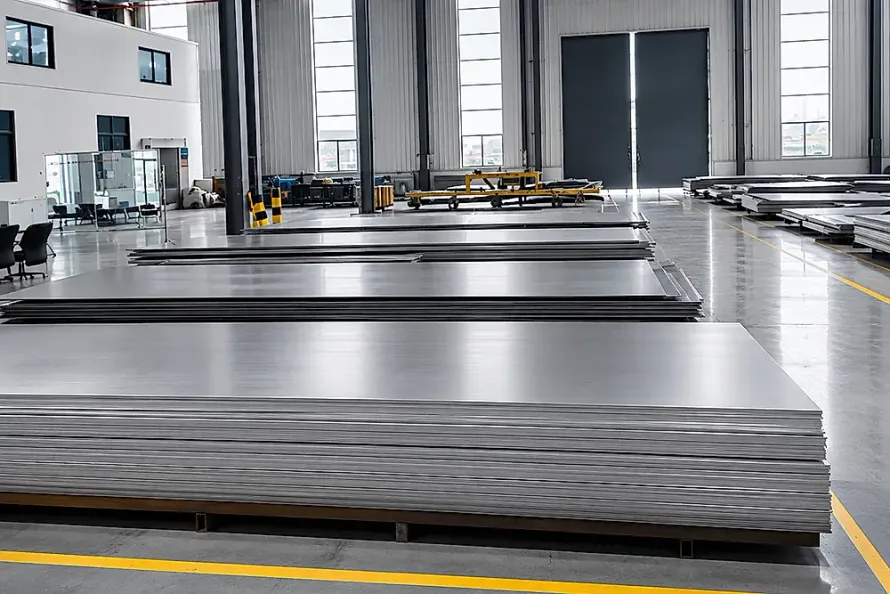
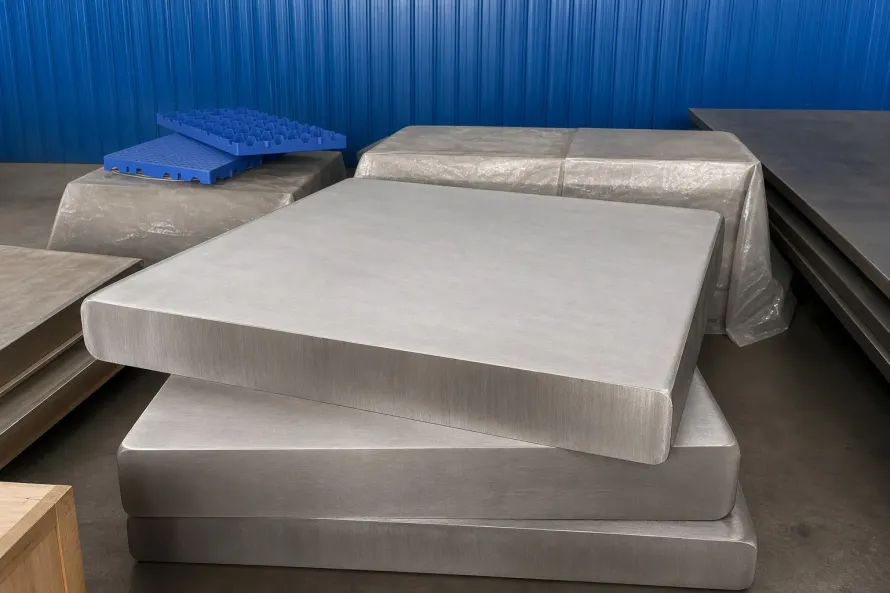
Stacked titanium plates in a workshop, illustrating why aerospace-linked buyers need product-form capacity reserved before release dates are trusted.
By Jason/ On 12 Jun, 2026

Aircraft Backlogs Show Why Titanium Buyers Need a Capacity-Reservation File

The latest aircraft backlog data is not just an airline or airframer story. It is a schedule-risk signal for buyers of aerospace-linked titanium bars, plates, sheets, forgings, billets, tubes and machined components.On June 3, 2026, Aerospace Global News reported that Airbus and Boeing had 16,683 commercial aircraft on backlog at the end of April, citing ADS commercial aerospace market information. ADS estimated that this represented about 12 years of work for the global aerospace industry at current projected production rates. A week later, Forecast International reported that Airbus delivered 81 aircraft during May and Boeing delivered 60, leaving both manufacturers with more than a decade of production coverage. For titanium buyers, the useful conclusion is not that every titanium product is suddenly short. The better conclusion is narrower: when aircraft demand runs far ahead of near-term production, approved titanium capacity becomes a schedule asset. A quote for material is no longer enough. Buyers need evidence that the specific product form, process route, inspection path and release date have been reserved. Backlog Is Not The Same As Released Titanium Capacity Aircraft backlog creates long visibility, but it does not automatically create released titanium parts. Aerospace programs consume titanium through controlled product forms and approved routes. The order book must move through mill products, forgings, machining, special processes, inspection, customer approval, documentation and logistics before it becomes deliverable hardware. That distinction matters because titanium is not a single interchangeable input. ATI's long-term Boeing titanium agreement, announced in 2025, named long products such as ingots, billets, rectangles and bars, as well as flat-rolled products including plate, sheet and coil. Those are different capacity lanes. A buyer waiting for sheet cannot automatically use bar stock. A machined part that requires a forged input cannot be covered by available plate. A near-net-shape preform cannot replace a legacy route unless the application and approval basis allow it. The same discipline applies at the market level. The USGS 2026 titanium summary reported that the majority of U.S. titanium metal use was in aerospace, with other uses including armor, chemical processing, marine hardware, medical implants and power generation. It also reported no U.S. titanium sponge metal production in 2025 and 100% net import reliance for titanium sponge metal. Those facts make titanium structurally important to aerospace supply chains, but they still do not convert aircraft backlog into a product-form guarantee. The buyer risk sits between those two facts: strong aircraft demand on one side, and product-specific release capacity on the other. What Changes For Titanium Procurement When an order book stretches across many years, titanium buyers should stop treating delivery dates as simple calendar promises. A delivery date is only credible if it is backed by a reserved path through the supplier's actual constraint points. For titanium plate, that path may include rolling capacity, thickness range, surface condition, ultrasonic inspection, flatness control, cutting and packaging. For bar and billet, it may include melt history, heat treatment, straightness, diameter tolerance, machining allowance, testing and certificate wording. For forgings and machined components, it may include input material identity, die or route availability, rough machining, final machining, NDT, dimensional evidence, first article status and customer-specific release rules.The most common procurement mistake is to ask only whether the supplier has material. In a tight aerospace cycle, the sharper question is whether the supplier has reserved the right combination of material, process capacity, inspection capacity and documentation capacity for the buyer's part. That is especially important for distributors and export buyers. A distributor may show available titanium stock, but the buyer still needs to know whether the stock is eligible for the required specification, whether it can be cut or machined in time, whether third-party testing is available, whether certificates match the program's wording, and whether the route can survive customer review. A processor may quote a forged blank, but the buyer still needs to know whether heat treatment and ultrasonic inspection are reserved, not merely available in theory. The Capacity-Reservation File The practical response is a capacity-reservation file. It should sit beside the purchase order, drawing package and material certificate. Its purpose is to connect the commercial promise to the operational path that makes the titanium product releasable.Evidence layer Buyer question Records to requestProduct form What exact titanium form is being reserved? Bar, billet, plate, sheet, tube, forging, preform or machined component description; grade; size range; specification basisApproved route Which route is allowed for this application? Melt or mill route, forging or machining route, customer approval boundary, substitute-route limitsCapacity owner Who controls the constrained step? Mill, forge, processor, heat treater, machining shop, NDT provider, packer or exporterSchedule hold Which dates are actually reserved? Production slot, heat treatment date, inspection window, document review, packing date and shipment handoffInspection release What proves the product can leave the supplier? Mechanical test, chemistry, UT or other NDT, dimensional report, surface inspection and nonconformance closureDocumentation package What will the buyer receive with the shipment? MTR, certificate of conformity, traceability record, packing list, export documents and customer-specific wordingChange trigger What forces re-approval or schedule reset? New input lot, route change, subcontractor change, inspection method change, drawing revision or late split shipmentFallback boundary What is the approved alternative if capacity slips? Alternate size, alternate source, partial release, substitute product form or requalification requirementThis file is not bureaucracy for its own sake. It prevents a visible stock photo, a broad aerospace claim or a generic certificate from being mistaken for a controlled delivery path. Available Stock Can Still Miss The Aircraft Clock The June data shows why this matters. Airbus' own orders and deliveries page listed 81 May deliveries, 379 May gross orders and 262 deliveries for 2026 to date. Forecast International's May analysis put Airbus backlog at 9,247 aircraft and Boeing backlog at 6,758 aircraft as of May 31. Those figures point to demand visibility, but also to a production system where monthly execution still matters. For titanium suppliers, that means capacity credibility is becoming a sales and quality issue at the same time. A supplier that can show reserved process slots, clear inspection ownership and stable certificate wording may be easier for a buyer to trust than a supplier with larger generic inventory but vague release control. For buyers, the opposite is also true. A low price or quick verbal promise can become expensive if the order waits behind heat treatment, NDT, machining, customer review or export documentation. The risk is not always that titanium is unavailable. The risk is that releasable titanium is not available in the required form, route and window. Alternative Routes Need The Same Discipline Aircraft backlog also encourages buyers to consider alternative sourcing routes: near-net-shape preforms, additive manufacturing, different mill sources, distributor stock, split shipments or partial machining before final approval. Some of these routes can reduce waste or shorten one step. None should be treated as a shortcut around evidence. If a forged block is replaced by a near-net-shape preform, the buyer needs to know the approved baseline, material data, inspection method, machining allowance and customer acceptance boundary. If distributor stock is substituted for planned mill material, the buyer needs traceability, age, surface condition, test coverage and certificate wording. If a supplier proposes a different approved source, the buyer needs to know whether the source is approved for the exact product family and application, not only for titanium in general. Backlog pressure rewards flexibility, but only controlled flexibility. The Buyer Takeaway The aircraft market is sending a clear signal: demand visibility is strong, but delivery execution remains the hard part. For titanium products, that shifts the buyer's best question from "Do you have material?" to "What capacity has been reserved for my approved route?" A professional answer should connect the product form, route, capacity owner, schedule hold, inspection release, document package, change trigger and fallback boundary. Without that file, the buyer has a quote. With it, the buyer has a verifiable delivery path. That is the practical meaning of the current backlog for titanium procurement. The aircraft order book is long. The titanium evidence file has to be specific.
Aerospace and Defense
ATI's South Carolina Mill Goes Live as Airbus Doubles Its Contract: Phase Two of Western Titanium De-Russification
By Jason/ On 26 May, 2026

ATI's South Carolina Mill Goes Live as Airbus Doubles Its Contract: Phase Two of Western Titanium De-Russification

ATI's South Carolina Mill Starts Up in May, Airbus Doubles the LTA — Phase Two of Western Titanium De-Russification Is On In May 2026, Allegheny Technologies Inc. (ATI) brought its new specialty titanium sheet mill in South Carolina into production. In the same week, Airbus disclosed that it had doubled its long-term agreement (LTA) volume with ATI, weighted toward Ti-6Al-4V aerospace sheet. This is not a coincidence. It is Phase Two of the Western titanium sheet supply chain's de-Russification. Phase One was the European procurement clear-out. On April 21, Safran announced it had completed its non-Russian titanium transition for forgings, moving billet and landing-gear forgings entirely from VSMPO-AVISMA to Ecotitanium plus its Japanese and US partners. Phase Two is the US capacity side filling in: ATI brings new aerospace sheet capacity online, and Airbus pins down the matching LTA share. Capacity-side moves are slow. Safran's transition was contract reshuffling and could close overnight. ATI's mill is a greenfield ramp — 18 to 24 months minimum. The interval between start-up and full rate is the tightest window the market will see. The US Capacity-Side Fill Is an 18-24-Month Ramp Curve The South Carolina mill is positioned for specialty titanium sheet — AMS 4911 (Gr.5 annealed sheet), AMS 4901 (Gr.2 CP sheet), AMS 4915 (Gr.5 STA sheet) and similar mainline aerospace grades. End uses are fuselage skin, firewalls, engine nacelles and center-wing-box skin parts. Aerospace sheet mill ramps have a rhythm. Year one runs small batches through first-article inspection (FAI) and customer system audits; year two is when steady tonnage starts. Boeing and Airbus supplier qualification runs through NADCAP AC7110/2 (chemical processing) plus AC7114 (NDT) plus AS9100D system audits, and every material grade has to run its own PPAP. The conclusion is clean. Through all of 2026 and the first half of 2027, Western sheet supply additions are limited. Real easing waits until 2028, when the new mill reaches steady tonnage, paired with Safran's €150M Gennevilliers press starting up in 2029. The two capacity curves only arrive together at that point.What Doubling ATI Really Means for Airbus: a Key Step in Replacing VSMPO Airbus did not disclose the doubled tonnage. The trade reading is that the new volume sits in the annual LTA framework for Ti-6Al-4V aerospace sheet and bar. Airbus has admitted in recent disclosures that Russian titanium still accounts for roughly 20% of its supply and is being drawn down. This is a different curve from Boeing's, which closed out Russian titanium back in 2022. Airbus's slower path comes down to one structural fact: Europe has no aerospace-grade titanium smelter of its own. Aubert & Duval's Ecotitanium handles titanium scrap recycling, but that is it. In the near term Airbus has to push VSMPO's vacated share onto the US (ATI/TIMET) and Japan (Toho Titanium, Osaka Titanium). Doubling the ATI book is the key step in that transfer. For Airbus, de-Russification isn't a PR exercise — it's capacity reservation. LTAs are multi-year contracts, and doubling them means Airbus has effectively locked in the matching ATI sheet tonnage for the 2027-2030 cycle. The takeaway for everyone else: through 2026-2028, Airbus sheet purchasing sits ahead of every non-aerospace buyer in the queue. ATI and TIMET spot allocations will not loosen. The Transition Window: Tier-2 and MRO Channels Open Up Primary-structure demand is locked into LTAs, but the wider market still has gaps. They sit with Tier-2/3 sub-contractors and MRO. Fuselage sub-assemblers, nacelle shops and auxiliary-system shops (APUs, hydraulic plumbing, firewall assemblies) form the Tier-2 layer. Line maintenance, module overhaul and modification-life extension (MLE) make up MRO. Both buy on spot orders and short-term contracts, not LTAs. When ATI and TIMET shift their sheet mix toward Boeing and Airbus LTAs, Tier-2 and MRO will see real spot shortages in Gr.5 titanium sheet, Gr.5 titanium bar and titanium forgings. Categories that compliant Chinese channels can carry through 2026-2028:Chemical and marine adjacencies (ASTM B265 Gr.2/Gr.7, B338 Gr.2 welded titanium tube): non-aerospace but consuming the same sheet and tube downstream. Medical implant adjacencies (ASTM F136 Gr.23 ELI): a separate certification path — Baoji and Western Titanium already hold ISO 13485. Tier-2 non-critical parts (engine bay interior trim, APU covers, outer firewall skins): secondary parts within an AS9100D system, with shorter audit cycles than primary structure. MRO overhaul parts (Gr.2 CP titanium and Gr.5 repair plate for line work): MRO shops typically self-qualify suppliers and accept mill cert plus lot traceability.View from Titanium Valley: Drawing-Based Forging RFQs from Europe Are Real Over the last 90 days, one new pattern has shown up in our Baoji inquiry queue: European buyers walking in with titanium forging drawings and asking about drawing-based custom forging. Nothing has closed yet — these are still in discussion. But the inquiry itself is the signal. Twelve months ago these RFQs did not exist. European Tier-2 buyers were still moving through VSMPO plus Aubert & Duval, asking supplier qualification questions, not channel questions. Now they ask "can the China channel make this forging to my drawing, and what's your lead time?" — a direct behavioral mapping of Phase Two de-Russification. On the supply side, the numbers are tightening too. Current AMS 4911 / 4928 / 4965 stock totals roughly 5 tonnes — enough for one or two MRO medium-batch orders. If the Airbus-doubles-ATI signal propagates through Tier-2, the next 60 days of Gr.5 titanium sheet spot may tighten further. Sponge Cost-Side Reference Asian mill spot prices on titanium sponge (current band):Grade Mainline mill-delivered range NotesGrade 0 $7.4 – 7.6 / kg Aerospace and high-end medicalGrade 1 $7.1 – 7.4 / kg Premium chemical and medicalGrade 2 $6.7 – 6.9 / kg Industrial and general chemicalThese are Asian mill-delivered prices, not Western landed. Their reference value: Asian-side raw-material cost is relatively stable. What's actually tight on the Western side is bottleneck capacity across melting, rolling and forging — not sponge feedstock. That means the 2026-2027 spread on Gr.5 titanium sheet and Gr.5 titanium forgings is set by Western midstream capacity, not by sponge volatility. What Buyers Should Actually Do Tier-1 and engine OEMs: lock in 2026-2027 annual LTAs. Do not bet on a price retreat. The ATI ramp plus the Airbus doubling will squeeze existing capacity at the same time. Western spot will not loosen. Tier-2/3 sub-contractors: bring compliant Chinese channels into the mix. Aerospace secondary parts go through compliant Chinese mills inside the AS9100D framework; chemical and marine adjacencies go via ASTM B265 / B348. Priority categories are Gr.5 titanium sheet and titanium bar. MRO: build overhaul-part inventory to 12 months. The MRO pain point is one delayed batch derailing an entire line-maintenance schedule. Through the transition window, 1.5x to 2x safety stock is cheaper than spot negotiation. Chemical, marine and medical buyers: this window is good news for you. With aerospace tightening Gr.5, Gr.2 / Gr.7 / Gr.23 ELI supply has actually loosened and bargaining position has improved. Consolidate R&D and small-batch orders through titanium CNC machining and the no-minimum-order-quantity channel. Conclusion: The Real Cadence of Phase Two De-Russification ATI starting up in May plus Airbus doubling its LTA equals Phase Two of Western titanium sheet de-Russification — under way now. But the 18-24-month ramp means the 2026-2027 transition window will stay tight. Real easing waits for ATI's full ramp in 2028, paired with Safran's Gennevilliers press in 2029. The opportunities inside that window belong to Tier-2/3 and MRO buyers — and to any supplier who can provide a compliant China channel to share the load. Related Products & ServicesService → Titanium CNC Machining — drawing-based forging inquiries from Europe are now arriving; 5-axis CNC and prototype-from-drawing in 4-6 weeks. Product → Gr.5 Titanium Sheet (AMS 4911 etc.) — roughly 5 tonnes in stock, covering Tier-2 and MRO short-term demand. Product → Gr.5 Titanium Bar (AMS 4928 etc.) — standard sizes for Tier-2 sub-contractors and MRO repair work, small-lot splits available.Related ArticlesSafran Completes Non-Russian Titanium Transition in April (De-Russification Phase One) F-35 Dual Contract Awards in April 2026 — Structural Upshift in US Military Titanium Forging Demand VSMPO Capacity Collapse from 32k to 17k Tonnes — Global Aerospace De-Russification RebalanceAbout: Titanium Seller is a supply chain platform based in Baoji, China's Titanium Valley, serving aerospace, chemical, marine and medical buyers worldwide.

Aerospace and Defense
F-35 April 2026 Three Actions: FY27 Budget for 85 Jets + $177M Test-Aircraft Contract + Israel Order → US Military Titanium Forging Demand Stretches, Hitting the 2028-2029 Domestic Forging Capacity Window
By Jason/ On 04 May, 2026

F-35 April 2026 Three Actions: FY27 Budget for 85 Jets + $177M Test-Aircraft Contract + Israel Order → US Military Titanium Forging Demand Stretches, Hitting the 2028-2029 Domestic Forging Capacity Window

Three F-35 Actions in April 2026 In April 2026 the US Department of Defense and its allies moved heavily on the F-35 program:April 6 — Pentagon submits its FY27 defense budget request, seeking 85 F-35s: 38 F-35A (Air Force), 10 F-35B (Marine Corps), and 37 F-35C (Navy) April 23 — Pentagon and Lockheed Martin sign a $177M contract modification for three F-35 flight-science test aircraft, covering all three variants F-35A/B/C, completion April 2031 April 29 — The Israeli cabinet approves a multi-billion-dollar acquisition deal covering new F-35s and F-15IsComputing buy-weight 15-20 mt × forging fraction 30-50% per aircraft: the 85-jet FY27 budget request pulls a theoretical 380-850 mt of titanium forgings (multi-year delivery, annualized roughly 80-280 mt/year over 3-5 years); the 3 test aircraft add another 15-30 mt of direct forging demand. Allied orders contribute volume on the single-digit hundreds of metric tons order of magnitude. Single Contracts Look Modest — Cadence Is the Story US annual military titanium forging demand sits at roughly 2,000-2,500 tons; the F-35 program runs about 35-40% of that (per-airframe titanium forging content roughly 2.7-3.6 tons, current build rate about 150-180 airframes/year). The signal in three contracts within one week isn't the size of any single block, it's:NGAD / B-21 / F-47 mainline programs are not yet in batch production F-35 remains the workhorse of US military titanium forging demand through 2026-2028 Allied procurement (Israel, Singapore and others) is accelerating, keeping the F-35 line at sustained high tempoThis holds the US military titanium forging demand curve on its high plateau through 2026-2028, instead of dipping under the early "NGAD picks up where F-35 leaves off" assumption.What It Hits: The US Domestic Forging Commissioning Window US military titanium large-part forging capacity concentrates at three mills: TIMET (PCC), ATI Specialty Alloys, and Howmet Aerospace. Combined: 5-7 heavy hydraulic presses at 35,000 tons or larger, carrying the bulk of military titanium primary structure forgings. Expansion and upgrade announcements rolling out across 2024-2026 (including the RTX-led forging expansion deal and Howmet's repeated capacity announcements) commission almost entirely in 2028-2029. That timing is not an accident — heavy presses at 35,000 tons or above run 36-48 months from order to commissioning, with forging dies, supporting vacuum furnaces and alloy machining lines on a parallel 24-36 month build. So 2026-2028 is the US military titanium forging capacity gap window: new capacity not online, existing capacity already loaded up by in-service programs. What the Window Looks Like in Practice: Three Transmission Chains First, military lead times stretch. End-to-end forging-to-delivery on F-35 critical large parts (integral center bulkhead, landing-gear fittings) ran roughly 14-18 months in 2024 and is expected to run 18-24 months from 2026 onward. Lockheed Martin and Pratt & Whitney have flagged the corresponding risk in annual reports. Second, commercial aerospace Tier 2/3 titanium forging spillover. With domestic heavy press capacity prioritizing military programs, subcontracted titanium structural parts on Boeing 787 / 777X and Airbus A350 / A321XLR (especially secondary primary structure, fuselage doublers, flap linkages) shift more volume to European mills (Aubert & Duval), Japan (Kobe Steel forgings, Toho Titanium-affiliated forging) and qualified third parties. Third, chemical / marine / medical titanium forging prices face upward pressure. This is the second-order effect of commercial Tier 2/3 spillover — as Tier-1 certified shops are blocked by aerospace, non-aerospace high-compliance demand (chemical reactor titanium forgings, desalination heat-exchanger titanium tube-sheet forgings, large medical-implant titanium forgings) competes for residual capacity, with price elasticity moving up. Specific magnitudes vary by region, specification, and customer type — worth tracking actual Q2-Q3 shipment-end quotes.The Window for Chinese and Asian Titanium Forging Suppliers The military mainline aerospace channel is closed to China — no point romanticizing it. But the chemical, marine, medical, and commercial aerospace non-critical windows are opening:Chemical reactors and desalination heat-exchanger titanium tubing / tube-sheet procurement in the West sees upward order elasticity for qualified Chinese mills through 2026-2027 Medical implants on the ASTM F136 / ISO 13485 route are stable. The F-35 event doesn't directly touch them, but capacity crowd-out pushes some Western medical OEMs to look harder for supplemental supply Tier 2/3 commercial aerospace non-critical parts can flow to Chinese mills with AS9100 in hand — Baoti, Western Superconducting, Xiangtou Goldsky, Beijing Non-Ferrous and othersTitanium Seller offers Gr.5 (Ti-6Al-4V) titanium bar and forging billet, Gr.2 commercially pure titanium, titanium tube and plate, and contract machining services, covering ASTM B265/B348/B381/F136 across the certification map. The focus is chemical, marine, medical and commercial aerospace Tier 2/3 — no military involvement. Three Signals to Watch Worth tracking on the procurement, trade, and production sides:Howmet / TIMET / ATI 2026 Q2 reports — titanium business backlog year-on-year growth, the cleanest read on whether military pull-through is being booked DPA Title III 2026-2027 funding cadence for forging expansions — the Defense Production Act is the primary federal funding channel for US military titanium capacity build-out, and the disbursement timing decides whether 2028-2029 commissioning lands on schedule US sponge titanium import data (USGS / customs monthly) — if Japan-to-US sponge exports run +15% year-on-year or higher in 1H 2026, military titanium shortage is propagating upstream into spongeRelated Products & ServicesGr.5 (Ti-6Al-4V) Titanium Bar and Forging Billet — full ASTM B348 / B381 coverage Gr.23 (Ti-6Al-4V ELI) Medical Titanium — ASTM F136 / ISO 13485 route Titanium Tube, Plate and Tube-Sheet — chemical, marine, heat exchangers Contract Forging and Machining Services — Tier 2/3 non-military fast-slot booking Titanium Industry News — continuous tracking of US military titanium forging supply-demand dynamics

Aerospace and Defense
Norsk Titanium's Double Win: Northrop Grumman Recurring Contract + NADCAP AM Certification Clear the Defense AM Buy-to-Fly Threshold
By Jason/ On 30 May, 2026

Norsk Titanium's Double Win: Northrop Grumman Recurring Contract + NADCAP AM Certification Clear the Defense AM Buy-to-Fly Threshold

Two Milestones in One Week: Recurring Production Contract + NADCAP AM On 2026-05-28 Norsk Titanium signed its first recurring production contract with Northrop Grumman, covering RPD (Rapid Plasma Deposition) titanium structural parts. The next day, 2026-05-29, Norsk announced NADCAP AM accreditation. Two events, one week. The narrative on defense titanium AM has shifted. Defense AM titanium has lived in "first-article qualification" purgatory for years. Norsk's RPD work with Airbus since 2024, the Lockheed and GE Additive trial parts on F-35 — all of it sat in the "made, validated, never serialized" bucket. Recurring production means buy-to-fly series procurement, not another round of one-off validation. NADCAP AM means Northrop no longer needs to run a standalone prime-direct process audit; mutual recognition kicks in. That is the gating condition for standardized Tier-1 procurement. Three thresholds — technical validation, customer lock-in, qualification chain — have cleared together on the DED titanium AM path for the first time. RPD / DED vs LPBF: Two Titanium AM Routes, Two Feedstock Markets Terminology first. RPD is Norsk's proprietary process, part of the wire-fed DED family. The feedstock is Gr.5 titanium wire (1.6–3.2 mm diameter dominates), deposited bead-by-bead under inert atmosphere via plasma arc into near-net titanium preforms, then machined to final dimensions. The other route, LPBF, is led by EOS, SLM Solutions and 3D Systems, running on Gr.23 ELI / Gr.5 spherical titanium powder at 15–45 μm, melted layer by layer by laser. The upstream feedstock markets are fully separated:RPD / DED pulls the wire market: Gr.5 titanium wire, VAR (vacuum arc remelt) plus drawing plus surface treatment plus spool packaging, ±0.02 mm diameter tolerance, Ra below 0.8 μm LPBF pulls the powder market: Gr.23 ELI / Gr.5 spherical, 15–45 μm mainstream, O ≤ 1300 ppm, sphericity ≥ 95%The diffusion effect of the Norsk recurring contract is a unilateral lift in the wire market. The powder side is not directly affected. This sits alongside, but separately from, the Amaero TN powder-source disruption story from 2026-05-28 — one is a cut on the powder side, the other is a structural lift on the wire side.What NADCAP AM Accreditation Actually Costs NADCAP (National Aerospace and Defense Contractors Accreditation Program) sits within SAE. The AM sub-program only went live in 2021 with the AC7110/13 checklist series. The global pass list is short. The audit spans five blocks:Block ScopeProcess control Machine parameter monitoring, deposition window, thermal history, chamber O2/H2OFirst-article qualification FAI plus build-to-build comparison plus process equivalenceMaterial traceability Wire lot → deposition layer → finished part, end-to-endPersonnel Operating engineer certification, inspector certification, technical manager reviewInternal + customer audits Annual internal audit, customer on-site audit, nonconformance closureEach block runs 3–6 months of audit cycle. The full package typically takes 18–24 months. Norsk landing NADCAP AM means the system runs end-to-end on RPD. Why does the pairing matter more than either event alone? Recurring contract plus process accreditation plus qualification chain — each one in isolation is "good news," but only the simultaneous trifecta lets Tier-1 procurement systems treat AM titanium parts as purchasable on equal footing with forged and machined parts. Until now, AM parts have lived in the "special pathway" bucket. View from Titanium Valley: The Real Posture on the Wire Side Looking out from Baoji, the Asian titanium valley, the Gr.5 wire market has had a flat 36 months. Demand came mainly from medical (bone screws, dental implants) and a thin stream of industrial R&D (lab-grade AM trials). Aerospace-grade DED wire orders were absorbed inside the North American chain — Norsk, IperionX, RTX and their suppliers. The Norsk recurring contract plus NADCAP AM is the first visible demand pull from aerospace Tier-1 series parts the wire market has seen. Three layers of real impact upstream: Layer one (immediate): Structural lift in North American demand for Gr.5 atomization-grade billet feeding wire drawing. Norsk and peer DED shops need high-purity VAR titanium bar at 70 mm diameter or less for the drawing line. Current supply runs through ATI / TIMET / Carpenter. Layer two (60–90 days): Civil and commercial Tier-2 AM service bureaus and medical OEMs, reading the Norsk signal, start booking DED wire qualification audits. This window is open to the Asia compliant channel — Baoji Gr.5 wire in the 1.6–3.2 mm range, with mature VAR plus vacuum anneal plus drawing, can plug into non-ITAR programs. Layer three (12–18 months): Wire-mill capacity concentrates on "aerospace-certified" grade. Low-end industrial wire loses pricing power; aerospace-certified wire gains it. The two ends pull apart. Our current spot position: Gr.5 titanium wire at 5 tonnes, Gr.5 titanium bar at 400 tonnes (near-full size range, 6–300 mm diameter). The bar acts as a two-way upstream — slice it for LPBF powder atomization, or draw it down for DED wire. Total mill spot resource library stands at 20,000 tonnes, the steady-state floor after the new plant and new equipment came fully online. Real Impact on Traditional Titanium Forging, Bar and Plate Buyers Do not overreact. AM titanium share in defense aerospace is rising structurally, not disruptively. Parts that suit AM titanium have boundary conditions:High buy-to-fly (traditional machining wastes material) — 8–12:1 range Complex geometry (long 5-axis cycle times, hard-to-reach features) Mid- to small-batch (50–500 units per year; large-batch still goes die or forge) Non-critical or secondary structure (primary load-path parts like wing spars and landing-gear struts stay on forging)Parts that do not suit AM titanium:Large primary structures (engine disks, wing main spars, landing-gear struts) — forgings are irreplaceable High-volume simple parts (titanium fasteners) — cold heading is more economical Ultra-precision thin-wall parts (electrodes, diaphragms) — sheet stamping is more reliableOver 2026–2030, titanium AM share of aerospace buy-to-fly series parts is likely to climb from below 5% today to 8–12%. Forge plus machine stays dominant at 85–90%. Buyer PlaybookBuyer type ActionITAR / DPAS defense AM programs Stay on Norsk + AP&C + Carpenter North American chain; Asia channel not openCivil and commercial Tier-2 AM service bureaus Start Asia compliant channel DED wire qualification audits, 6–10 weeksMedical and industrial AM R&D Engage Asia wire and powder for small batch and sample lots directlyTraditional forging and machining buyers Core market stable, no panic — but watch where AM might displace inside your own product mixUpstream atomization / wire-drawing mills Lock Gr.5 VAR billet LTAs; aerospace-grade feedstock demand is rising structurallyBottom Line: The Real Meaning of Three Thresholds Cleared at Once The thing worth remembering from 2026-05-28 and 05-29 is not either announcement on its own. It is that three thresholds — technical validation, customer lock-in, qualification chain — cleared in the same week. That is the inflection point where defense titanium AM moves from "special pathway" to "standardized procurement." Wire market: structural tailwind. Powder market: neutral. Traditional forgings: mild diversion. Over the medium term (2026–2030) the titanium product mix will reshuffle — but in the near term (2026–2027) forge plus machine still carries the load. Related Products & ServicesProduct → Gr.5 Titanium Wire (DED / Medical / R&D) — 5 tonnes spot, 1.6–3.2 mm mainstream Product → Gr.5 Titanium Bar (VAR atomization upstream) — 400 tonnes spot, near-full size range Service → Titanium Contract Machining + Drawing-to-Sample — AM post-processing / 5-axis CNC, 4–6 week lead timeRelated ArticlesAmaero TN Triple Incident — US AM Titanium Powder Source Cut in Q3 IperionX HAMR Titanium Powder — 4.2 Tonnes March Output Executed Titanium Wire in Additive Manufacturing — From Aerospace WAAM to Dental OrthodonticsAbout: Titanium Seller is a supply chain platform based in Baoji, China's Titanium Valley, serving aerospace, chemical, marine, medical and hydrogen-energy buyers worldwide.

Aerospace and Defense
Safran's April Double Move: Non-Russian Titanium Transition Done + €150M Gennevilliers Forging Expansion — Western Titanium Forging Supply Tightens Structurally
By Jason/ On 04 May, 2026

Safran's April Double Move: Non-Russian Titanium Transition Done + €150M Gennevilliers Forging Expansion — Western Titanium Forging Supply Tightens Structurally

On April 21, Safran Moved "Non-Russian Titanium" From Strategy to Past Tense On 21 April 2026, French engine manufacturer Safran announced that its non-Russian titanium transition for forging procurement is complete. Billet and landing-gear forgings — the entire volume — has shifted from VSMPO-AVISMA to a Western and Japanese partner network. The gap with market expectations is the tense. Safran did not say "transitioning"; it said "transitioned." Airbus, in the same window, still discloses Russian titanium at roughly 20% of its supply and is compressing it gradually. Safran walked the same road and finished it. Safran's replacement plan is two-tiered:Military primary supplier: Ecotitanium — Aubert & Duval's titanium recycling subsidiary, full ramp by 2028 Civil: a three-way balance across Ecotitanium, Japanese partners, and US partners by 2030The announcement did not name the Japanese or US partners, but the industry consensus points to Toho Titanium / Osaka Titanium in Japan and TIMET / ATI in the US — currently the only Western-aligned mills with stable, qualified capacity for aerospace-grade Ti-6Al-4V billet. Ecotitanium's Critical Element Is Not Capacity — It's the Route A recycled-route ingot means two things to a buyer. First, the feedstock chain shortens: instead of titanium ore → sponge → tetrachloride → magnesium reduction, the input is aerospace titanium scrap (turnings, cropped offcuts, scrapped forgings) remelted into ingot. No magnesium reduction means no exposure to the cadence of Chinese magnesium exports (China holds 90%+ of global magnesium and from 6 January 2026 has applied dual-use export controls toward Japan). This is the underlying reason Safran chose Ecotitanium rather than building greenfield primary titanium capacity. Second, on the compliance side, Ecotitanium runs dual remelting — VAR plus EBCHM — and aerospace titanium revert, after two vacuum remelts, has a microstructure (α-β phase distribution) equivalent to primary ingot. It qualifies across AMS 4928 forgings, AMS 4911 sheet, Ti-6Al-4V ELI medical-grade, and the rest of the standard envelope. Ecotitanium is not a downgrade — it is a compliant equivalent. But full ramp lands in 2028, and that date defines the asymmetry. Safran's transition being complete does not mean supply is comfortable. 2026-2027 is Ecotitanium's ramp window, and actual supply still depends on Japanese and US partners filling the bins.Gennevilliers €150M: Safran Takes Forging Capacity Onshore Eight days earlier, on 13 April 2026, Safran Aircraft Engines announced a €150M investment at its Gennevilliers site north of Paris: a 30,000-ton-class hydraulic forging press, online by 2029, full annual output of 14,000 large forgings, and 130 new jobs. Read the two announcements together and the logic snaps into focus:21 April = solving the feedstock and billet sourcing problem 13 April = solving the in-house large-part forging problemA 30,000-ton press is sized for next-generation civil engine large parts — titanium compressor cases, fan disk hubs, low-pressure turbine disks for long-cycle programs like CFM RISE / Open Fan — not in-service LEAP-1A/-1B production parts. Put differently, Safran is locking forging capacity 5-7 years ahead of the 2030s engine programs. That is the standard cadence for Western civil aviation forging expansions (compare with RTX's three-year forging build-out and Aubert & Duval's repeated forging investments). The Three-Year Bottleneck Window in Western Titanium Forgings For 2026-2029, Western titanium forging buyers face a cold fact pattern:Ecotitanium full ramp in 2028 — capacity short in 2026-2027 Safran Gennevilliers online in 2029 — large parts on subcontract through 2026-2028 VSMPO channel closed (for Safran) — the back door is bricked up by Safran's own decisionThat means through 2026-2028 Safran's civil large-part forging stays on subcontract with Aubert & Duval, TIMET, ATI and the Japanese mills. Forging lead times that ran 12-18 months are likely to stretch to 18-30 months. Tier 2/3 civil aviation parts makers (Mecachrome and Lisi Aerospace in France, GKN in the UK and others) that have not booked their 2027-2028 forging slots by 2026 will be staring at a supply-demand mismatch in 2027.Indirect Effect on Non-Aerospace Buyers: Capacity Crowd-Out Aerospace Tier 1 forging capacity is not a parallel universe. Chemical, marine and medical titanium forgings have always shared the same heavy hydraulic press lines as aerospace. Safran's expansion effectively assigns a swathe of qualified forging capacity in northern Paris and central France to civil large parts, and non-aerospace titanium forging demand either queues longer or spills over to Chinese Tier 2 mills and qualified shops in India and Türkiye. Gr.2 commercially pure titanium forgings and Gr.5 (Ti-6Al-4V) titanium forgings from Chinese mills like Baoti Group and Western Superconducting already have stable Western downstream channels in chemical reactors, desalination heat exchangers, and medical implants (ISO 13485 route). The Safran event does not change those channels' compliance bar, but it does raise utilization of the China channel as a procurement category for non-aerospace titanium forgings. Bottom Line: This Is Not a Single Event — It's a Procurement Map Redrawn The substance of Safran's April double move is folding two long-cycle links — feedstock and forging — into a Western/US-Japan closed loop simultaneously, redrawing the procurement map. Short term (2026-2028), Western titanium forging supply tightens. Medium term (2028-2030), once Ecotitanium and Gennevilliers both come online, supply normalizes — but the pricing center moves up: Ecotitanium recycled-route titanium ingot combined with Western heavy-tonnage forging carries a systemic premium over VSMPO long-contract pricing, and the aerospace-grade premium over commercial-grade titanium continues to widen (industry consensus). For a Chinese B2B titanium supplier like Titanium Seller, this is a window of "aerospace compliance channels keep tightening + non-aerospace channels expand." Three things worth tracking next:Ecotitanium's 2026-2028 ramp data — determines whether Safran's short-term decoupling from VSMPO is real Toho Titanium / Osaka Titanium actual tonnage to Safran — public language is "partner" only; no contract tonnage disclosed Baoti / Western Superconducting compliance progress in European aerospace Tier 2 — AS9100 + NADCAP runs an 18-36 month review windowRelated Products & ServicesTitanium Forgings (Gr.1/Gr.2/Gr.5/Gr.7/Gr.12) — chemical, marine and medical compliance routes Titanium Bar, Plate and Tube — full ASTM B265/B348/B348M coverage Contract Forging and Machining Services — Tier 2/3 non-aerospace fast-slot booking Titanium Industry News — continuous tracking of structural shifts in the Western titanium supply chain

Aerospace and Defense
A quality-control bench with titanium wire spool, machined test coupons, and inspection tools, showing how aerospace LMD-w qualification depends on feedstock control and evidence records
By Jason/ On 05 May, 2026

TITAN-AM Shows Why Aerospace Titanium Supply Is Becoming an Evidence Chain

TITAN-AM Is Not Just Another 3D Printing Announcement GKN Aerospace's new TITAN-AM programme with the U.S. Air Force Research Laboratory, announced April 13, 2026, is a useful signal for titanium suppliers because it puts the emphasis on the hard part of aerospace manufacturing: proving that a process can make structural parts with repeatable material behavior, inspectable geometry, and a qualification path that buyers can trust. For titanium producers and processors, the message is direct. Aerospace buyers will not evaluate future wire-fed titanium routes by alloy name alone. They will ask whether the feedstock, process window, material data, inspection method, and finish-machining route can be tied together into one evidence chain.Why This Is More Than a 3D Printing Story The GKN/AFRL programme is built around five workstreams: large-scale titanium aerostructure components, robust titanium material datasets, simulation, nondestructive inspection techniques tailored to additive manufacturing, and demonstrations on selected aerospace structural components. Those are not marketing details. They describe the barriers that separate an impressive deposited shape from a flight-relevant structural part. Wire-fed directed energy deposition matters because it attacks a known weakness in conventional titanium manufacturing. Large aerospace parts are often forged or machined from heavy input stock, and the amount of metal bought can be far larger than the metal that finally flies. Airbus made the same point in its January 2026 explanation of titanium wire-DED, noting that the process can grow near-net-shape structural parts from titanium wire and reduce the waste associated with machining from plate or forgings. That does not mean plate, forgings, and machining suddenly become obsolete. It means their role becomes more selective. A deposited blank still needs finishing, datum control, surface verification, and inspection access. For critical components, buyers will also need comparison evidence against conventional routes, not just a cost-saving claim. The Demand Context Is Real, but Qualification Is the Bottleneck The aerospace market gives this development commercial weight. Airbus reported 114 commercial aircraft deliveries in Q1 2026 and kept guidance for around 870 deliveries for the full year. Boeing reported 143 commercial airplane deliveries for the same quarter and listed a total company backlog of $694.7 billion. These numbers do not prove a titanium shortage by themselves, but they explain why OEMs and tier suppliers keep looking for qualified ways to reduce lead time, material waste, and special-process bottlenecks. For titanium suppliers, that distinction matters. Demand pressure helps only when a supplier can enter a qualified production route. In aerospace, the limiting factor is often not whether titanium exists somewhere in the market; it is whether the specific grade, form, process record, inspection result, and certification package can survive an engineering and quality review. What Changes for Titanium Wire and Semi-Finished Product Suppliers LMD-w gives titanium wire a more strategic role, but not every wire product can serve that role. Aerospace deposition routes place pressure on chemistry consistency, diameter control, surface cleanliness, lot traceability, oxygen and hydrogen control, packaging, and documented process response. Wire becomes a manufacturing input whose behavior must be understood inside the melt pool, not just a material sold by nominal grade. The same shift affects producers of titanium plate, bar, forgings, and machined parts. Near-net additive routes may reduce bulk material removal, but they increase the need for controlled finishing and verification. Machining shops may be asked to finish deposited blanks with less excess material, more complex geometry, and tighter links between inspection results and final dimensional acceptance. That is why the buyer conversation should move from "Can you supply Ti-6Al-4V?" to "Can you support the evidence path for this process and application?"A Practical Qualification Chain for Buyers For aerospace-grade titanium additive manufacturing, a useful supplier review can be organized around seven links:Evidence link What buyers should ask Why it mattersFeedstock control How are chemistry, diameter, surface condition, cleanliness, and lot identity controlled? Wire behavior affects deposition stability and final material consistency.Process window What parameter ranges have been validated for the alloy, geometry, and equipment? Repeatability depends on more than the alloy designation.Material dataset What tensile, fatigue, fracture, microstructure, and heat-treatment evidence exists? Structural buyers need data that fits the application, not generic AM claims.NDI method Which inspection methods can detect relevant defects in deposited geometry? Additive parts may require inspection logic different from forged or machined stock.Machining allowance How much finish machining stock is needed, and where are datums created? Near-net parts still need a reliable path to final dimensions and surfaces.Certification evidence What records connect feedstock, build, inspection, machining, and final acceptance? Aerospace quality teams review the chain, not isolated certificates.Supplier capability Can the supplier repeat the route across batches and scale without losing control? Industrialisation fails if evidence collapses outside a demonstration run.This framework is useful because it keeps the discussion grounded. It avoids treating additive manufacturing as either a miracle replacement for forging or a laboratory novelty with no production relevance. The real question is narrower and more important: where can a wire-fed titanium route make a qualified part faster, with less waste, while preserving the evidence discipline aerospace buyers require? The Near-Term Impact Is Selective The TITAN-AM announcement should not be read as proof that large titanium aerostructures are about to shift wholesale into LMD-w production. The programme is explicitly about industrialisation and readiness. GKN's announcement points to material datasets, simulation, tailored NDI, and demonstrations precisely because those areas still need to be matured for broader structural use. Airbus' own w-DED activity shows the same step-by-step logic. Its January article described serial integration of large w-DED parts into the A350 cargo door surround area, with printing, ultrasonic inspection, machining, and installation all part of the route. That is a disciplined industrial pathway, not a blanket replacement of traditional titanium supply. For titanium processors, the opportunity is therefore not to claim that every buyer should switch forms. It is to understand which part families are most exposed to buy-to-fly waste, long tooling lead times, complex geometry, or supply-chain pressure, and then prepare evidence for the routes that can credibly help. What Titanium Suppliers Should Learn from TITAN-AM The most durable lesson is that aerospace titanium competition is moving toward documented process capability. Product form still matters: wire, plate, bar, tube, forgings, and machined components each serve different engineering needs. But the higher-value question is how each form enters a qualified manufacturing chain. Suppliers that can discuss titanium only as a grade list will struggle to participate in these conversations. Suppliers that can explain feedstock controls, machining allowances, NDI compatibility, traceability, and application-specific evidence will be more relevant as aerospace buyers test new routes. TITAN-AM is not a final verdict on LMD-w titanium aerostructures. It is a signpost. The next stage of aerospace titanium supply will be won less by broad claims about lightweight metal and more by the ability to connect material, process, inspection, machining, and certification into one defensible record.Related Products & ServicesTitanium wire (Gr.1/Gr.2/Gr.5) — chemistry, diameter, and surface controls relevant to wire-fed deposition feedstock Titanium forgings — large-section near-net stock for hybrid forge-plus-machine routes Titanium bar / rod — billet stock with ASTM B348 / B381 traceability Titanium sheet & plate — heavy-input stock for conventional machining baselines Special titanium alloys (Gr.5 / Gr.23 / Ti-6Al-4V ELI) — aerospace and medical grade reference Contract machining services — finish machining, datum control, dimensional verification for near-net blanks Titanium industry news — ongoing tracking of aerospace titanium qualification, AM, and supply-chain shifts

Aerospace and Defense
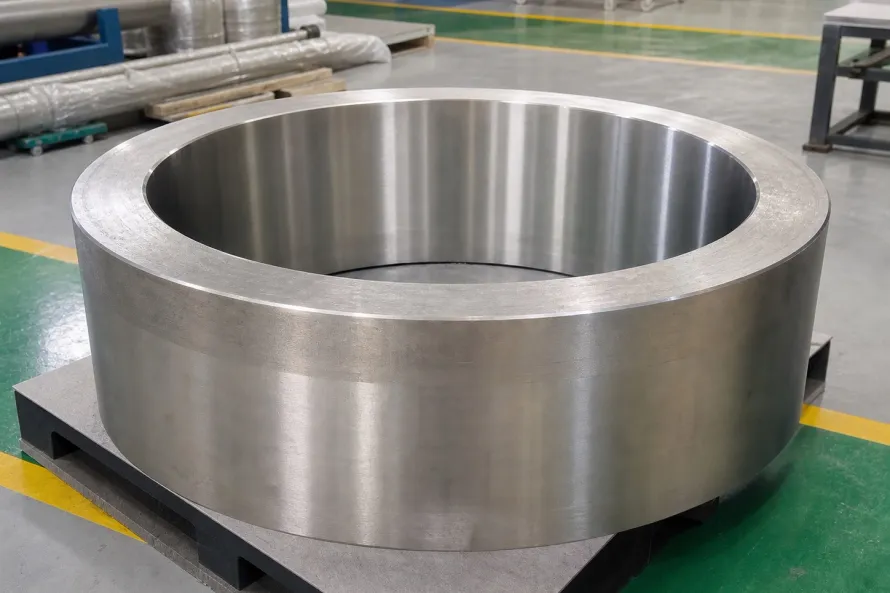
Large titanium forging ring on a clean factory pallet, showing why high-value titanium parts need item-level identity from parent material through release.
By Jason/ On 11 Jun, 2026

Theseus Shows Why Titanium Buyers Need a Material-to-Part Identity File

DUST Identity's 2026 launch of the Theseus aerospace authentication platform is not only a counterfeiting story. For titanium buyers, it is a clear signal that the industry is moving beyond paper-only traceability toward evidence that binds the physical material, the processing record and the release document to the same part identity.AIN reported that Theseus was introduced at Titanium Europe 2026 in Toulouse and combines physical diamond-particle markers with AI-assisted verification of airworthiness documents. The reported pilot tracked titanium bar stock from French specialty metals mill Aubert & Duval through distribution and machining to delivery at Airbus, with certificates of conformity and test data attached to the same digital record. That matters because titanium supply risk is no longer only about whether the alloy is available. The harder question is whether the same piece of material can be followed through cutting, machining, inspection, subcontract processing, document handoff and receiving inspection without the record becoming detached from the metal. Why Paper Alone Is No Longer Enough Titanium already carries a document burden. A buyer may request a mill test report, certificate of conformity, heat number, purchase order, packing list, inspection report and customer-specific release document. In aerospace and high-value industrial work, the packet may also include FAA 8130-3, EASA Form 1, first-article records, nonconformance closure and repair history. The weakness is not that documents are useless. The weakness is that documents can be separated from the product they describe. The 2024 FAA investigation into titanium parts with falsified quality documentation on Boeing and Airbus aircraft showed the commercial problem plainly: even when testing later indicated that the alloy itself was correct, the missing trust in the paperwork forced quarantine, removals, airworthiness review and costly supplier investigation. Theseus does not solve every case. AIN noted that the platform can authenticate enrolled parts, not components that were never marked and registered. But the direction is important. The industry's trust model is shifting from "the paper says this part is traceable" to "the part itself can prove which record belongs to it." The Titanium Mechanism Behind The News Titanium products are exposed to identity drift because one starting form can become many downstream items. A bar may be cut into blanks. A billet may be machined into rings, bushings or fastener bodies. Plate may become cut blocks, brackets, fixtures or pressure-boundary parts. Tube may be cut, bent, welded or assembled into a heat-exchanger or chemical-service component.At each split, the buyer needs more than a copied certificate. The identity chain should show which heat or lot entered the route, which piece was created, what processing occurred, which inspection records belong to that piece and what final release document follows it into the next organization. This is where Theseus is commercially useful even for buyers that do not adopt that specific platform. It names the missing layer: physical product identity must survive the handoff from raw stock to finished part. For titanium exporters, processors and distributors, that makes traceability a product feature, not an administrative afterthought. The Material-to-Part Identity File A practical buyer response is a material-to-part identity file. It is not a replacement for an MTR or a certificate of conformity. It is the bridge that proves the MTR, traveler, inspection record and shipment document still describe the exact item being released.Evidence layer Buyer question Titanium records to requestMaterial entry Which heat, lot, grade and product form started the route? MTR, heat number, alloy grade, product form, dimensions and incoming inspection statusPhysical identity How is the material or part identified after receipt? Permanent mark, tag, barcode, photo record, sealed package ID or digital identity referenceSplit record What happens when bar, billet, plate or tube is cut into multiple items? Cut plan, traveler, piece count, remnant control, new IDs and link back to the parent heatProcess route Which operations changed the material state? Machining, heat treatment, forming, welding, NDT, surface treatment and subcontractor recordsDocument link Which documents belong to this exact item? MTR, certificate of conformity, inspection report, FAA 8130-3, EASA Form 1 or customer release packet when applicableReceiving check Can the buyer verify the identity at the dock? Packing list match, label check, visual record, dimensional spot check and document cross-checkException control What happens when a mark, tag or document does not match? Quarantine rule, nonconformance report, deviation approval, replacement record and customer noticeThe file should follow the product, not only the supplier. A supplier name can stay the same while a lot changes, a subcontractor changes, a drawing revision changes or a shipment is split. The buyer's risk sits at the item level. What Buyers Should Ask Now For titanium bar, billet and forging buyers, the first question is how parent material becomes piece-level identity. If one lot becomes twenty blanks, each blank needs a visible link back to the parent material and to its own processing record. For plate, sheet and tube buyers, the risk is often in cutting, packing and document handoff. A clean package should show which sheet, cut block or tube bundle belongs to which certificate and whether any remnant or substitute material entered the shipment.For machined titanium component buyers, the strongest request is a route-level packet: material identity, drawing revision, machining traveler, special-process records, inspection evidence, release status and packaging record. If the part is aerospace, medical, pressure-service or semiconductor-related, the purchase order should state which release documents must be available before shipment. For distributors, the file is a way to avoid becoming the weak link. When material moves through storage, cutting, repacking and export documentation, the distributor should preserve the link between the physical item and the original certificate instead of relying on a generic stock label. What Not To Overread Theseus is a technology signal, not a universal mandate. Many industrial titanium orders will not need diamond-particle markers, AI document review or aerospace-grade digital thread systems. A chemical plant buyer ordering Grade 2 plate for non-flight use may need disciplined lot traceability, but not the same authentication stack as an MRO receiving flight-critical parts. The lesson is more durable than the tool. Titanium buyers should define where identity can break: at receipt, at cutting, at subcontract processing, at inspection, at packing or at final certificate issue. Then they should decide how much proof the application requires. That keeps the article away from hype. The right question is not whether every titanium part needs a new tag. The right question is whether the buyer can prove, at release time, that the part in the crate is the part described by the records. Buyer Takeaway Theseus matters because it makes a hidden titanium procurement problem visible. The alloy grade can be right while the identity system is weak. A certificate can be real while it is attached to the wrong item. A supplier can be approved while a split lot, outsourced step or repacked shipment creates a new traceability gap. For titanium product buyers, the next level of due diligence is a material-to-part identity file. It should connect material entry, physical identity, split history, process route, document link, receiving check and exception control before the product leaves the supplier. In high-value titanium work, trust is no longer only written on paper. It has to stay attached to the part.

Aerospace and Defense
Norsk Titanium's Northrop Contract: Why Buyers Need a Qualification-to-Rate File
By Jason/ On 01 Jun, 2026

Norsk Titanium's Northrop Contract: Why Buyers Need a Qualification-to-Rate File

Norsk Titanium's latest aerospace contract is not only an additive-manufacturing milestone. It is a reminder that titanium suppliers do not become production-ready merely because a material route has been qualified once. On May 27, 2026, Norsk Titanium announced through Euronext that it had entered a recurring production contract with Northrop Grumman for aircraft components. The company described the award as its first production contract after an extensive multi-year qualification and specification process, and as validation of readiness for serial aerospace production. Metal AM reported the same move on May 28, noting that the components were undisclosed. For buyers of titanium bars, plates, tubes, forgings, machined parts and near-net-shape preforms, the useful lesson is not that one production route has won every future order. It is that qualification and rate production are different tests. Qualification proves that a route can meet the requirement under an approved scope. Rate production asks whether the supplier can keep meeting that requirement lot after lot, shift after shift, shipment after shipment, without losing control of material identity, process route, inspection capacity, certificate language or change notification. That distinction matters beyond additive manufacturing. A titanium bar source can pass an initial approval and still struggle when monthly volume rises. A plate or sheet supplier can quote availability before confirming ultrasonic inspection slots. A forging route can be technically approved but constrained by heat treatment, machining or NDT bottlenecks. A machined component supplier can pass first article inspection and still need evidence that tooling, operators, subcontracted processing and final release records remain stable as production repeats. Qualification Approval Is Not Rate Readiness Aerospace qualification often creates a false sense of completion. Once the material route is approved, procurement teams may treat the supplier as ready for production. In practice, the approval is only the gate into the next risk zone. The Norsk-Northrop announcement is useful because it explicitly separates the two stages. The release describes a multi-year qualification and specification process before the recurring production award. That sequence is exactly what titanium buyers should study. The hard buyer question after qualification is not "can this route work?" It is "what proves this route will keep working at the required pace?" For processed titanium products, pace changes the evidence burden. A one-off test coupon, trial part or first article can receive intense engineering attention. Recurring production must rely on controlled routines: incoming material checks, route travelers, machine or furnace availability, operator qualification, inspection queue management, nonconformance handling, certificate review and final shipment release.The buyer should therefore avoid treating qualification as a static badge. It is a starting condition. Rate readiness is the repeatability file built around that condition. What Changes When A Titanium Route Repeats When a titanium product moves from qualification to recurring supply, the risk does not disappear. It changes shape. The first shift is from material identity to material continuity. The buyer no longer needs only proof that one lot met chemistry and mechanical requirements. The buyer needs confidence that the next lots will follow the same material source, grade, heat identity, melt route, forging or rolling state, and traceability discipline. The second shift is from process acceptance to process freeze. A supplier may have qualified a route using one machine, one furnace window, one NDT method, one machining allowance or one post-processing sequence. If recurring orders create pressure to move work to another machine, outsource a step, change a fixture or adjust a heat-treatment window, the buyer needs a clear approval trigger. The third shift is from inspection result to inspection capacity. A supplier can inspect one first article carefully. A production schedule asks whether chemical, mechanical, ultrasonic, dimensional, surface and final release checks can happen on time without turning quality control into the bottleneck. The fourth shift is from certificate availability to certificate consistency. Export buyers often receive MTCs, MTRs, certificates of conformity, packing lists and inspection records after the physical goods are already moving. In a rate environment, certificate wording, lot linkage and revision control must be repeatable. Norsk's May 7 announcement with Hittech gives a separate example of the same pattern in semiconductor equipment. The company said its RPD technology had replaced legacy titanium forged blocks with near-net-shape preforms for large carrier trays, while the partners worked on a production model involving precision, material integrity, repeatable performance and higher volumes. That context is not the same as the Northrop contract, but it reinforces the broader buyer point: once titanium production scales, the proof shifts from "the route is possible" to "the route is controlled repeatedly." The Qualification-to-Rate File Titanium buyers should ask for a qualification-to-rate file when a supplier moves from sample approval, first article, trial order or narrow qualification into recurring production. The file should not be a sales deck. It should connect approved scope to repeatable release.Evidence layer Buyer question Records to requestApproved scope Which product form, alloy, size range, drawing, standard and application are actually approved? Approval letter, drawing revision, material specification, grade, product form, qualification boundary and excluded applicationsFrozen route Which process path must not change without notice? Melt or feedstock route, rolling, forging, heat treatment, machining, welding, AM, HIP, cleaning, NDT and subcontracted stepsLot-release packet What proves each recurring lot is releasable? Heat number, traveler, inspection reports, MTC/MTR, certificate of conformity, deviation closure and final QA releaseInspection capacity Can quality checks keep pace with production? NDT schedule, dimensional-inspection plan, lab lead time, calibrated equipment list and inspector qualification recordsProcess-capability trend Is repeatability being monitored beyond pass/fail release? Rejection trends, rework causes, dimensional drift, mechanical-property spread, surface defects and corrective actionsChange control What triggers buyer re-approval? Machine move, furnace change, new subcontractor, parameter change, raw material change, route deviation or certificate revisionRate escalation What evidence is required before volume rises? Trial-lot comparison, capacity reservation, first-lot review, shipment history, open-action closure and buyer sign-offThis framework applies whether the product is a titanium tube for a chemical plant, a plate for machining, a forged ring, a Ti-6Al-4V bar, a welded assembly, a PM-HIP preform or an additively manufactured aircraft component. The evidence details vary, but the buyer logic is the same. Do Not Overread The Contract Signal The Northrop contract does not disclose part numbers, volumes, pricing or platform details. It should not be read as proof that every additive titanium route is ready for broad substitution, or that conventional titanium bars, plates, forgings and machining routes are being displaced. That restraint matters. A current production award is a strong signal about one qualified supplier relationship. It is not a universal market rule. The better conclusion is narrower and more useful: aerospace buyers are rewarding suppliers that can convert technical qualification into recurring release discipline. For titanium product companies, that means the strongest commercial evidence is not only a certificate for one lot. It is the ability to show that the same route, same controls and same release logic can survive volume. CPI Aerostructures' May 26 Northrop follow-on order for E-2D welded assemblies points in a similar direction, although it should be used carefully. The company said its WMI subsidiary would manufacture more than 20 complex welded assemblies through 2028 and noted approvals to aerospace and defense OEM weld specifications for metals including titanium. The release does not say the specific E-2D orders are titanium. What it does show is that aerospace production programs turn approved special processes into multi-year delivery obligations, where certification, welding procedure control, inspection and schedule discipline matter as much as nominal capability. Buyer Takeaway The Norsk Titanium contract is a useful signal because it names the transition that buyers often blur: qualification is not the same as rate. A supplier may be qualified, but buyers still need proof that the approved route can repeat under real production pressure. For titanium bars, plates, tubes, forgings, machined parts, welded assemblies and near-net-shape preforms, the professional buyer question is therefore not only "is this supplier approved?" It is also "what file proves this supplier can release repeat orders without route drift?" The answer should be a qualification-to-rate file: approved scope, frozen route, lot-release packet, inspection capacity, process-capability trend, change-control trigger and rate-escalation evidence. Without that file, a qualified source can still become a production risk. With it, a titanium supplier can show the difference between passing a test and supporting a program. Related Products & ServicesTitanium Rods / Bars — Gr.1/Gr.2/Gr.5/Gr.23 stock and made-to-order Titanium Sheets & Plates — ASTM B265 mill form Titanium Tubes — seamless and welded, ASTM B338/B861 routes Titanium Forgings — forged billet, ring and block stock Aerospace Applications — Gr.5 and Gr.23 ELI route Additive / 3D Printing Applications — DED, LPBF and PM-HIP preform routes CNC Machining — contract machining and value-added services

Market and Supply Chain
Amaero TN Plant's May Triple-Incident Shutdown: What a Real Q3 Cut to US-Domestic AM Titanium Powder Actually Means
By Jason/ On 28 May, 2026

Amaero TN Plant's May Triple-Incident Shutdown: What a Real Q3 Cut to US-Domestic AM Titanium Powder Actually Means

May 13 → 16 → 26: Three Events at Amaero's Tennessee Plant In May 2026, Amaero's Cleveland TN titanium and refractory powder plant logged three back-to-back incidents. May 13: a small deflagration, two employees with burn injuries, no equipment damage. May 16: a small fire alarm. May 26: during scheduled dust-hazard remediation, a small controlled fire in a PVC exhaust duct, no injuries and no equipment loss. On May 27, an Amaero investor notice made it explicit: the plant is paused and undergoing a third-party safety review, with the company stating customer-side inventory should absorb the in-quarter revenue impact. A single event can be written off as bad luck. Three events plus a voluntary stand-down plus third-party intervention is a different animal. This isn't the "plant can restart soon" story that followed May 13 — this is the "plant has called itself down" story. For B2B titanium powder buyers, the real question isn't what Amaero's safety review concludes. It's that the Q3 gap in US-domestic AM titanium powder supply is real, immediate, and calculable. The Q3 Gap: It's Not Tonnage, It's Requalification On the AM powder side, Amaero is one of the handful of US-based atomization and commercial powder sources, alongside Carpenter Powder Products, Praxair Surface Technologies and AP&C (a GE subsidiary). The mainstream product is Gr.5 and Gr.23 ELI spherical powder, 15–45 μm cut, serving LPBF (laser powder bed fusion) and DED (directed energy deposition) customers. Amaero hasn't disclosed annual capacity figures. Even at an industry-estimate range of 200–500 tpa, that's under 10–15% of US-domestic supply. The question isn't where the other 85–90% comes from — it's how long the customer-side switch takes. New-supplier lot qualification carries different requirements across AS9100, IATF 16949 and ISO 13485, typically 6–12 weeks. An LPBF service bureau running aerospace plus medical plus defense work has to run each line through each new powder source separately. The three audits can move in parallel, but first-article inspection, build-to-build comparison (same machine, same parameters, same build envelope, different powder source) and final part-performance testing cannot be skipped. The conclusion is clean. The Q3 bottleneck isn't Amaero's tonnage — it's the AS9100 requalification cycle stacking customers into a queue.Four Customer-Side Problem Buckets 1. Open PO, no delivery. Customers need a non-impact statement from Amaero defining the affected lot boundary, while simultaneously kicking off backup-source onboarding. Many supply contracts carry force-majeure clauses, but downstream delivery commitments don't move with them. 2. Q3 prototype or FAI programs. First-article inspection has to be rerun. An LPBF FAI typically covers X-Y-Z tensile coupons, microstructure, porosity by CT, plus O/N/H chemistry retesting. A complete FAI runs 4–6 weeks; including queue, an 8–12 week slip on Q3 programs is normal. 3. Serial-production customers. A short-term bridge supplier is required, but bridge powder versus original powder demands build-to-build comparison. Variables include sphericity, particle size distribution (PSD), flowability (Hall flow, Carney flow), apparent density, tap density, and oxygen/nitrogen/hydrogen content. Any variable drifting more than ±10% from the original powder can trigger as-built part-performance validation. This is the customer type least able to absorb the cost. 4. Defense, ITAR, DPAS customers. Tougher. The non-Amaero alternative still has to satisfy DFARS 252.225-7008 (specialty metals sourcing) and DPAS priority requirements. The candidate pool shrinks further to ATI Powder Metals, AP&C, Carpenter and a handful of others. Defense ITAR programs cannot route through the China compliance channel in Q3. View from Titanium Valley: Where the Asia-Compliant Channel Actually Stands Worth saying plainly: over the past 90 days, the Asia-compliant China channel has logged zero Western AM customer inquiries for non-US-domestic titanium powder. Not because the channel is closed. AS9100, ISO 13485 and ASTM F3001 (LPBF Ti-6Al-4V ELI standard) are all in place at certified plants in Baoji. Gr.23 ELI spherical powder (15–45 μm, O ≤ 1300 ppm) and Gr.5 AM powder via both PREP and EIGA routes are running. The behavioral reality is the constraint: over the past 12 months, Western AM inquiry flow has stayed concentrated in the AP&C / Carpenter / Praxair / Amaero / Tekna (Canada) North American and Canadian footprint. The Amaero TN shutdown is the possible starting point for that pattern to break. The next 60–90 days are the observation window:Whether non-ITAR commercial aerospace Tier-2, commercial AM service bureaus or medical implant OEMs initiate "Asia-compliant channel qualification audits" Whether inquiry volume stays at sample scale (<10 kg) or jumps to prototype scale (50–100 kg) Whether "permanent backup source" terms appear (dual-supplier strategy written into the PO)Current Gr.23 ELI / Gr.5 AM spherical powder spot inventory totals roughly 10 tonnes. That maps to roughly: 1–2 LPBF service bureaus' steady-state consumption for 3–6 months, or 5–10 medical OEM prototype programs' small-batch slices. Enough to bridge, not enough to anchor. Powder vs Bar: The Other Upstream Route Worth flagging that the AM powder bottleneck doesn't sit only at finished powder. Many atomization plants (PREP, EIGA, plasma atomization) rely on Ti-6Al-4V bar stock as feedstock (diameter ≤ 70 mm, VAR (vacuum arc remelt) grade, O ≤ 1500 ppm for ELI powder feed). During the Amaero TN shutdown, even if other North American atomization plants want to ramp, bar-side lead time is 12–16 weeks of queue (VAR furnace and downstream hot-working capacity is constrained). Chinese Gr.5 ELI bar has a compliance lane on the atomization upstream side: Gr.5 titanium bar spot inventory is roughly 5 tonnes, available as emergency upstream feed for non-ITAR atomization plants. Who the China Compliance Channel Fits, Who It Doesn't Fits (qualification can launch in the 60–90 day window):Commercial aerospace Tier-2 LPBF service bureaus (not direct Boeing / Airbus LTAs) Medical implant OEMs at R&D and prototype stages Industrial AM applications (chemical valve components, heat-exchanger prototypes, marine parts) University and research-institute AM labsDoesn't fit (cannot be solved inside Q3):ITAR / DFARS 252.225-7008 defense programs Tier-1 primary structure serial production Boeing / Airbus direct purchase lines already on five-year LTA (long-term agreement) contractsBuyer PlaybookCustomer Type Q3 Action TimelineCurrent Amaero customers (non-ITAR) Request switchover schedule; launch 1–2 backup-source audits in parallel 4–6 weeks to onboardQ3 FAI / prototype programs Backup-source qualification; accept 8–12 week FAI slip 8–12 weeksSerial production Bridge supplier + build-to-build comparison 6–10 weeksITAR / DFARS programs Wait for Amaero restart; strengthen AP&C / Carpenter ties 12–16 weeksR&D / small-volume medical Launch Asia-compliant channel audit; Chinese AM powder small-sample build 6–10 weeksConclusion: Three Signals Stacked > Any Single Event Taken alone, none of the May 13, 16 or 26 events is a heavyweight on its own. But back-to-back occurrence + voluntary shutdown + third-party intervention stacked together shift the "stable assumption" underneath the Western AM titanium powder supply chain. For B2B buyers, Q3 isn't about waiting for the Amaero restart announcement. Q3 is the window to move "dual-supplier strategy" off the slide deck and into the PO. The Asia-compliant channel is one of the optional paths — not the only one, and it won't solve ITAR — but for non-ITAR commercial AM, medical, and industrial R&D and prototype work, this is the first real demand opening in the past 12 months. Related Products & ServicesService → Titanium CNC machining + drawing-based sample parts — 5-axis CNC, 4–6 week delivery, pairs with AM service bureau post-processing Product → Gr.23 ELI / Gr.5 AM spherical titanium powder — combined spot inventory ~10 tonnes, 15–45 μm mainstream cut Product → Gr.5 titanium bar (VAR grade) — atomization upstream feedstock, spot inventory ~5 tonnesRelated ArticlesAmaero plant incident × titanium buyer event-to-release evidence file IperionX HAMR titanium powder 4.2-tonne March production execution Recycled titanium powder qualification chain — the other route for powder-source switchingAbout: Titanium Seller is a supply chain platform based in Baoji, China's Titanium Valley, serving aerospace, chemical, marine, medical and hydrogen-energy buyers worldwide.

Manufacturing and Technology
Titanium bar stock in a factory setting, representing the material baseline that buyers must connect to process data, inspection records and release evidence.
By Jason/ On 10 Jun, 2026

AIM-4AM Shows Why Titanium AM Buyers Need a Data-to-Allowables Evidence File

Dyndrite's June 4, 2026 announcement that its team was selected for the America Makes and NCDMM Artificial Intelligence for Material Allowables in Additive Manufacturing project is not a titanium product approval. That boundary matters. The current AIM-4AM demonstrator is 17-4PH stainless steel in the H1025 condition, produced by Laser Powder Bed Fusion, or LPBF. For titanium buyers, the value of the news is more indirect and more useful. AIM-4AM points to the kind of evidence file that any high-performance AM material route will need before procurement teams can trust claims about faster qualification, lower testing burden, or production-ready process control.TCT Magazine reported on June 8, 2026 that AIM-4AM is a $2 million initiative to develop an AI-driven framework for identifying and quantifying risk inside the material-allowables approach for LPBF. Dyndrite will lead the team, Mimo Technik will execute controlled LPBF builds and testing coordination, and RTX will act as the technology transition partner for aerospace and defense relevance. That combination is the story. The industry is not only asking whether AM can make a metal part. It is asking whether the data behind the process can support an allowable, survive customer review, and define what physical testing can safely be reduced without hiding risk. Why A Steel Project Matters To Titanium Buyers The first buyer discipline is to avoid overreach. AIM-4AM does not validate titanium powder, titanium wire, Ti-6Al-4V, titanium near-net-shape preforms, or any delivered titanium component. It does not mean a titanium AM part can skip qualification. It does not turn a machine-learning model into a material certificate. But titanium buyers should still pay attention because the qualification problem is shared. Aerospace, defense, medical, space and energy buyers do not accept AM parts simply because the alloy name is familiar. They ask whether the route is stable enough to produce repeatable material properties, whether the process data is trustworthy, whether inspection can catch meaningful variation, and whether the release record matches the actual application boundary. That is where AIM-4AM becomes relevant. The Manufacturing USA opportunity page says the project aims to develop an AI-driven framework that identifies and quantifies risk in material allowables for 17-4PH H1025 stainless steel made by LPBF. The America Makes RFP describes a program intended to link reduced physical testing to quantified risk categories, support pedigreed AM materials data, and validate AI-driven predictions through acceptance-ready testing protocols. For titanium AM, the lesson is not "AI will qualify the material." The lesson is that buyers should make every reduced-testing claim show its evidence chain. The Evidence Burden Moves Upstream Traditional buyer review often starts late: a material test report, a dimensional report, a certificate, a first article package, or a supplier quality document. AM pushes the evidence burden upstream because many sources of variation are created before final inspection. Powder or wire feedstock, machine configuration, scan strategy, build orientation, atmosphere control, thermal history, post-processing, surface condition and inspection method can all affect the final release decision. That does not make AM unmanageable. It means the buyer file has to connect more layers. A supplier claiming faster qualification through AI-assisted allowables should be able to show what the model is trained on, what variance it is trying to reduce, which process signals are controlled, what physical tests remain, and where the proposed allowable is not valid. Without that chain, "reduced testing" is only a cost-saving phrase. The AIM-4AM announcement is useful because it names the missing middle. Dyndrite said the team will develop machine-learning-driven methods to assess qualification risk, generate preliminary qualification datasets, validate predictions against experimental tensile and fatigue data, support statistically informed reduced-testing protocols, and align production-oriented approaches with material allowables development and qualification requirements. Those are not marketing decorations. They are the categories titanium buyers should ask suppliers to document. The Data-To-Allowables Evidence File For titanium products, a practical response is a data-to-allowables evidence file. It is not a substitute for customer approval, drawing control, material specifications, inspection plans, or application-specific testing. It is the bridge that keeps digital qualification claims auditable.Evidence layer Buyer question Records to requestMaterial boundary What alloy, feedstock form and condition are actually covered? Ti-6Al-4V, CP titanium or other grade identity; powder, wire, billet or preform source; chemistry; lot handling and reuse rulesProcess window What process state is allowed? LPBF, DED, WAAM, HIP, machining or post-processing route; parameter set; machine configuration; atmosphere and thermal controlsData pedigree What data feeds the model or qualification argument? Build logs, sensor data, traveler records, calibration files, inspection data, lab test records and excluded data notesPhysical validation What testing still proves the route? Tensile, fatigue, chemistry, density, surface, microstructure, NDT, CT, dimensional and application-specific testsStatistical confidence How is reduced testing linked to risk? Sampling plan, confidence basis, risk categories, model validation, repeatability evidence and failure-mode reviewApplication boundary Where can the allowable or evidence be used? Part family, load case, service environment, customer program, geometry limits and excluded applicationsRelease and change control What forces re-approval? Feedstock change, machine change, parameter change, site change, post-process change, inspection-method change or drawing revisionThis structure keeps the buyer from making two common errors. The first is treating a model result as if it were a finished material approval. The second is treating a successful coupon program as if it automatically covers every production geometry. Titanium buyers need the opposite habit. They should ask which facts are general, which are machine- or site-specific, which are part-family-specific, and which require customer approval before shipment. What AI Does Not Remove AI can help identify high-value tests, model process-structure-property relationships, and focus engineering attention on the variables that matter. It cannot remove the need for traceable input material, controlled process parameters, qualified inspection, physical validation, and a release record that says exactly what the shipment proves. The America Makes RFP reinforces that point. It set out a maximum period of performance of 21 months, including 18 months of technical effort and 3 months for report finalization, and emphasized traceability, data management, reproducibility, calibration, specifications, certifications, material sources, post-processes, inspection, testing and quality control protocols. Those requirements are not signs of a shortcut. They are signs that the shortcut must be earned. That is especially important for titanium because AM is often compared against forged, rolled, bar-stock, tube-stock, plate-stock or machined routes. A proposed AM route may reduce buy-to-fly waste or improve geometry freedom, but the buyer still has to approve the route against the part's service duty. A titanium bracket, fastener, pressure part, implant blank, heat-exchanger component or aerospace preform does not become acceptable because its data package is modern. It becomes acceptable when the data package matches the risk. Lessons For Titanium Suppliers The strongest commercial lesson is not limited to AM specialists. Conventional titanium suppliers can use the same evidence logic.A titanium bar supplier can document heat identity, chemistry, ultrasonic inspection, straightness, surface condition and shipment release. A tube supplier can connect grade, OD and wall tolerance, production route, surface condition, pressure or leak evidence, cleanliness and packaging. A machined titanium component supplier can connect input stock, machining route, dimensional inspection, special processes, certificate wording and change control. The common thread is not AI. It is auditability. A buyer who sees a clean evidence path can separate real readiness from vague process claims. A supplier who keeps that path clean becomes easier to evaluate, easier to approve and easier to trust when the part family changes. That is the useful titanium reading of AIM-4AM. The project may begin with 17-4PH H1025 stainless steel, but the buyer question it raises is broader: when a supplier says data can reduce testing, can the supplier show exactly which risk has been measured, which tests remain, and where the evidence stops? For titanium products, that question is becoming part of the purchase decision.

Market and Supply Chain
VSMPO Capacity Collapse: Tracking Aerospace Titanium De-Russification from 32k to 17k Tonnes
By Jason/ On 25 Apr, 2026

VSMPO Capacity Collapse: Tracking Aerospace Titanium De-Russification from 32k to 17k Tonnes

VSMPO-Avisma was added to the U.S. Entity List on September 27, 2025. Six months on, the production numbers out of Russia tell their own story: annual sponge output has fallen from a pre-war 32,000 tonnes to roughly 17,000 tonnes — close to a 50% cut. Over the same window, Airbus has trimmed its Russian titanium share from 60% down to 20%. This is no longer a tariff countdown. It's a capacity reshuffle that has already happened. The Production Numbers, Six Months InVSMPO has long been the world's largest aerospace titanium supplier, feeding Boeing, Airbus, Rolls-Royce, and Raytheon, with global market share that once cleared 30%. Pre-sanctions sponge output sat around 32,000 tpa, and peak years ran higher. Industry reporting this month puts current effective output at roughly 17,000 tpa. The shortfall stacks across three layers. Feedstock: titanium concentrate flow has tightened as ruble payment channels seize up. Process equipment: vacuum electrodes, magnesium reduction retorts, and other Western-sourced spares are no longer available. Demand: order losses have dropped utilization, and several melt lines now run at half load for extended stretches. The numbers are worth more than the sanctions notice itself. 32k tpa was the theoretical ceiling — Russia willing to ship at full tilt, the West willing to accept it all. 17k tpa is the actual intersection after both sides walked away. The 15,000-tonne gap in between can no longer be re-routed by Russian intermediaries, nor absorbed by Western inventory drawdowns. It's being picked up, in real time, by sponge producers elsewhere. How Airbus Walked from 60% to 20% Around 2014, Airbus sourced roughly 60% of its titanium from VSMPO — making it one of the most Russia-dependent aerospace primes in the West. By early 2026, that share is below 20%. Where did the 40 vacated points go? Three lanes opened in parallel. Lane one is Japan. Toho Titanium and Osaka Titanium Technologies together run 30,000–40,000 tpa of capacity and remain the high-end import source most relied on by U.S. and European aerospace. Both are adding roughly 3,000 tpa of aerospace-grade sponge in stages between 2026 and 2029. That increment is smaller than the Russian gap — but supply stability and a long track record inside aerospace qualification systems are why Japanese producers keep getting the call. Lane two is China. Pangang, Shuangrui, and Baoti each run single-plant capacity from 10,000 tpa into the tens of thousands. Chinese sponge output for January 2026 came in at 23,800 tonnes, up 0.42% month-on-month. The bottleneck for Chinese sponge entering Western aerospace is not capacity — it's the time required to clear NADCAP and AS9100 special-process audits at customer sites. De-Russification pressure is shortening that runway. Lane three is U.S. domestic. IperionX commissioned its Virginia plant with a target of 1,400 tpa by mid-2027 and has pulled in cumulative DoD funding of $47.1 million — a first restart of U.S. sponge capacity. What that volume actually means deserves its own arithmetic, which we cover in our breakdown of the IperionX 1,400 tpa math. The Real Supply Curve Behind the Replacement Story Here's a common misread. Add up the headline capacity numbers from every replacement source, and on paper VSMPO's gap looks coverable. Convert "capacity" into "aerospace-qualified deliverable ingot," and the curve gets a lot steeper. Aerospace-grade Ti-6Al-4V forged billet and bar must clear double or triple VAR (vacuum arc remelting) to hit the oxygen, nitrogen, and macrosegregation specs called out in AMS 4928 and ASTM B348. Global VAR capacity is far smaller than global sponge capacity. One of VSMPO's structural advantages at peak was furnace count and per-furnace tonnage — neither of which can be cloned in the short term. The result: deliverable flight-critical titanium forgings remain in structural shortage through 2026. Programs like the 787, A350, and F-35 demand tight grade consistency, heat-number traceability, and full MTC documentation on Grade 5 plate, bar, and ring forgings. "Switching the source" is a heavier lift than "switching the part number." Port-Level Signals from the Titanium ValleyInside our stock system in Baoji — China's Titanium Valley — peak April 2026 ready-stock for aerospace Ti-6Al-4V forged billet and bar hit 50 tonnes. The number itself is modest, but it captures a quiet shift at the buying end. Over the past six months, more inquiries have stopped opening with "what's your MOQ" or "what's your floor price." Instead, they ask: "Can ready-stock release inside four weeks?" and "Will the MTC trace back to a specific melt heat number?" That is the de-Russification compliance pressure from front-end OEMs feeding into Tier 2 forge shops and machining houses, who are now treating ready-stock not as a cost burden but as delivery insurance. The same signal is visible across our inquiry flow on titanium rod sourcing and Ti-6Al-4V forged billet: order sizes are smaller, frequency is up, and rush-delivery share has climbed from under 15% a year ago to north of 30%. Line up macro and micro: 32k → 17k is the macro collapse; 50 tonnes of ready-stock plus a surge in rush inquiries is the micro echo. The capacity reshuffle in between is far from finished. A Procurement Checklist If you're sketching titanium procurement for H2 2026 through H1 2027, three moves are worth making now. First, lead every RFQ template with "double-VAR melted with heat-number traceability" before you ask about price. In a de-Russification context, price moves within a fairly tight band — but compliant deliverability is the actual binding constraint. Second, drive single-source share from above 80% down below 60%. Bring at least one qualified supplier online from each of Japan, China, and the U.S. domestic side. Audits take time, but a qualification effort that begins under stockout pressure is the hardest one to run. Third, put ready-stock back into the procurement P&L instead of treating it as a payment-terms question. On our titanium plate and bar lines, customers holding ready-stock cleared Q1 2026 project deliveries roughly 18% better than peers who relied on long-lead orders. The aerospace titanium question over the next 12 months is not "will it tighten?" — it's "how tight before the OEMs trigger re-qualification?" That 15,000-tonne VSMPO gap is being absorbed, but the absorption itself keeps lifting lead times and pricing on Grade 5 large-section forgings. Related Products & ServicesService → Stocking Programs for Aerospace-Grade Titanium — putting ready-stock back into the procurement P&L Product → Ti-6Al-4V Titanium Bar and Forged Billet — aerospace Grade 5 bar and billet, double-VAR melted, heat-number traceable Product → Special Titanium Alloys — qualification path for VSMPO special-grade replacementsAbout: Titanium Seller is a supply chain platform based in Baoji, China's Titanium Valley.

Ready to Start Your Project?

Get factory-direct pricing on titanium products. No minimum order.

Get a Free Quote
Quick Inquiry