Aerospace Orders Are Turning Titanium Procurement Into a Qualification Chain
voestalpine’s new aerospace order book is not only a contract story. It is a signal about how aircraft supply chains are valuing titanium products in 2026: not as isolated bars, sheets, tubes or forgings, but as qualified material packages tied to processing, inspection evidence, certification readiness and delivery control.
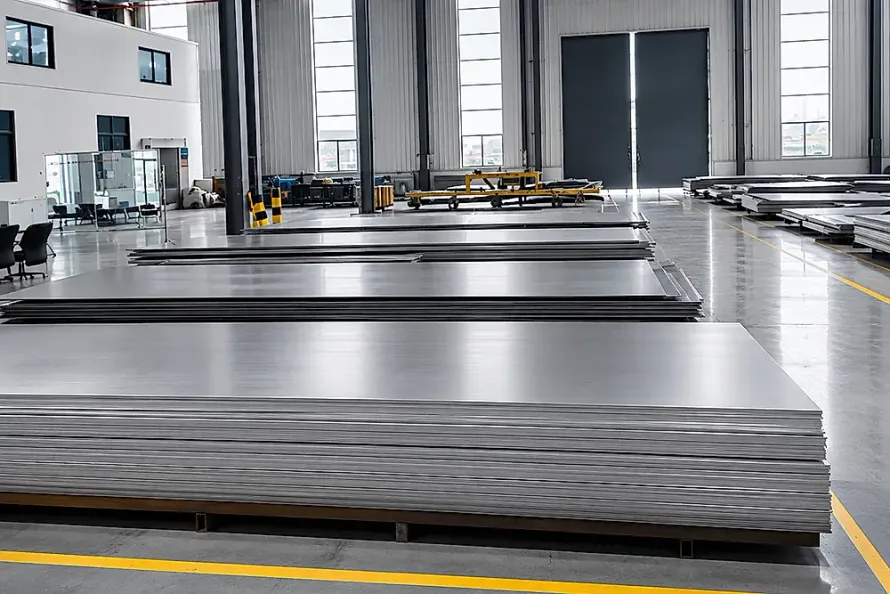
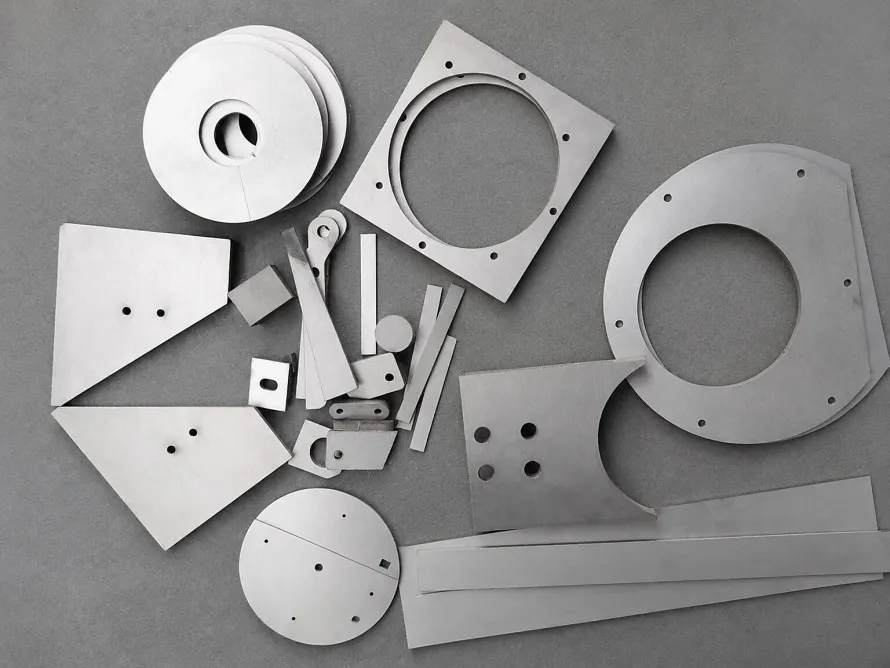
The Austrian steel and technology group said on April 8 that its High Performance Metals Division had secured aerospace orders worth around EUR 1 billion over five years. The agreement includes Airbus-related business and covers high-performance materials, complex forged parts and global logistics. The company said its aerospace portfolio includes bars, sections, sheets, plates and special forged parts, with titanium alloy forgings produced at Kapfenberg and high-tech titanium sheets produced at Muerzzuschlag. It also described heat treatment, surface treatment, additive manufacturing processes and a global service network as part of the division’s capability set (voestalpine).
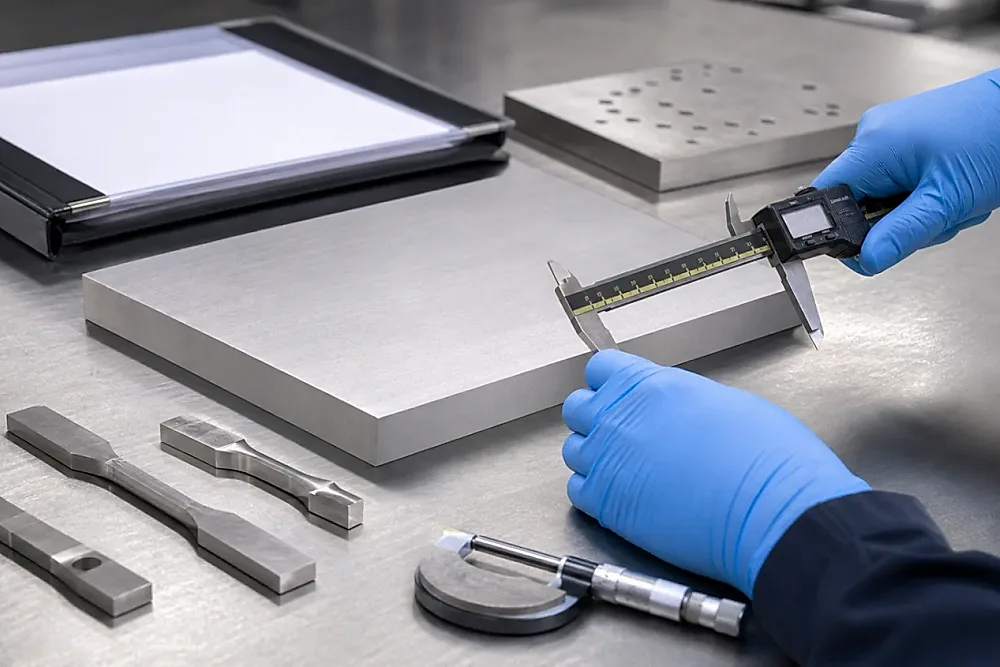
For titanium processors and export buyers, the important point is not that one European supplier won a large order. The more useful signal is that aerospace customers are buying a chain of assurance. A titanium plate, bar or forged billet has limited value in aircraft programs if it is separated from the route that proves chemistry, mechanical performance, heat history, inspection status, traceability and delivery reliability.
Why the Order Matters Beyond One Supplier
Aerospace demand remains strong enough to keep pressure on qualified material channels. Airbus reported 9,037 commercial aircraft in its order backlog at the end of March 2026, even as Q1 deliveries fell to 114 aircraft from 136 a year earlier. The company said it was continuing its ramp-up while navigating Pratt & Whitney engine shortages (Airbus). That pattern matters for titanium because aircraft production is constrained by qualified components and inputs, not only by final assembly demand.
Reuters reported in February that aviation supply constraints had become a durable operating condition, with some component and material orders stretching toward a year. In the same report, a Future Metals executive said titanium and nickel tubing lead times were still 50 to 60 weeks, far above the pre-pandemic norm of about 20 weeks (Reuters via Investing.com). Even if some lead times have improved from 2025 extremes, the procurement lesson remains: qualified titanium availability is still a planning variable, especially for tubing, forgings and precision material forms that must enter certified assemblies.
The raw-material side adds another layer. The U.S. Geological Survey’s 2026 titanium summary said the United States did not produce titanium sponge metal in 2025 and estimated net import reliance for sponge at 100%. It also reported estimated 2025 sponge imports of 44,000 metric tons and noted that most titanium metal use was in aerospace applications, with the rest spread across armor, chemical processing, marine hardware, medical implants, power generation and other uses (USGS).
That does not mean every titanium buyer faces an immediate shortage. It does mean downstream buyers should distinguish between feedstock exposure, mill product availability and qualified component readiness. These are related, but they are not the same risk.
The New Buyer Framework: Five Gates, Not One Price
For titanium bars, tubes, plates, sheets and forgings, aerospace procurement increasingly works through five gates:
| Gate | What buyers need to verify | Why it matters |
|---|---|---|
| Material form | Bar, tube, plate, sheet, forging, billet, wire or powder route | The form determines downstream machining, forming, inspection and qualification work |
| Process route | Melting, rolling, forging, heat treatment, machining or additive manufacturing path | Process history affects mechanical properties and repeatability |
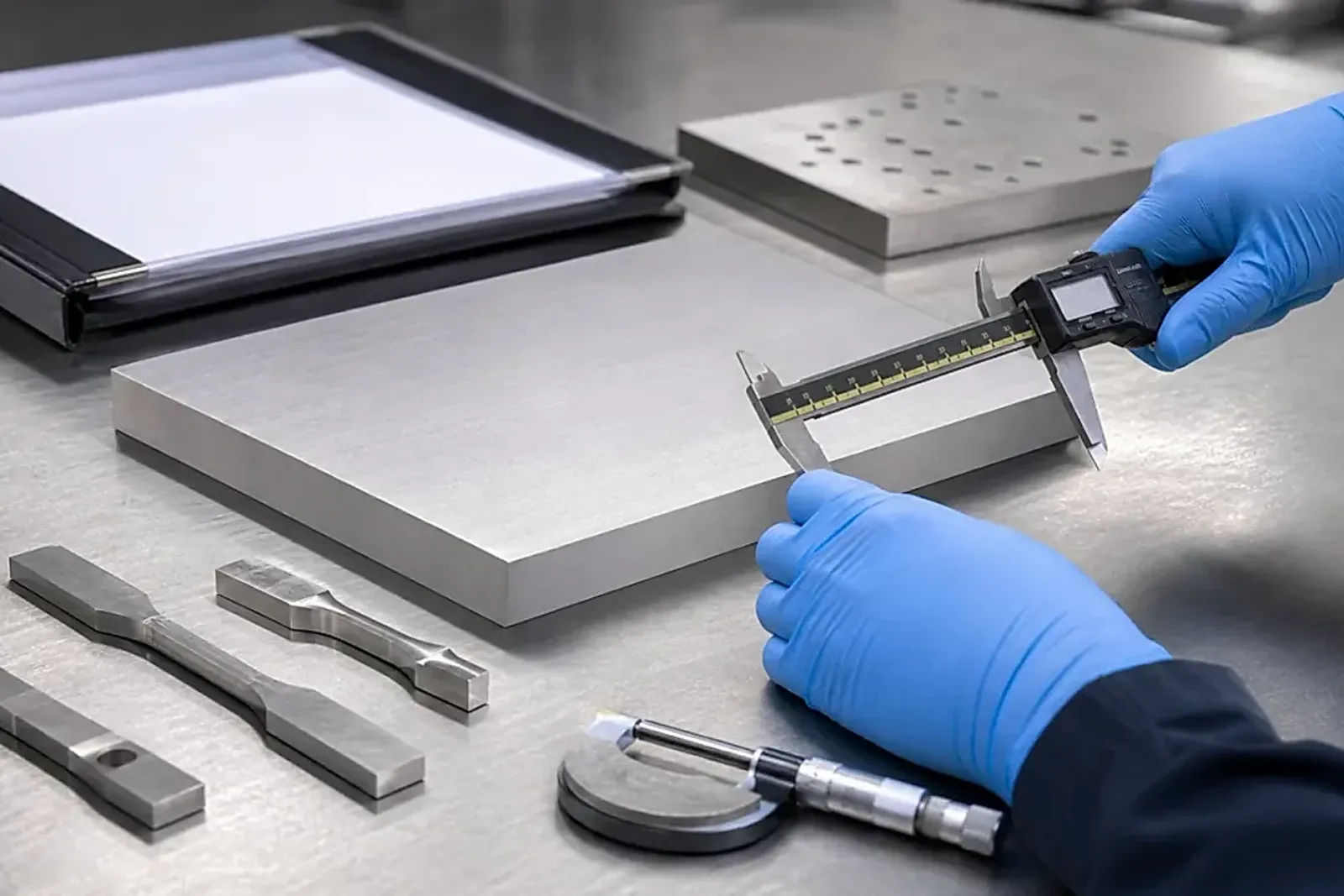
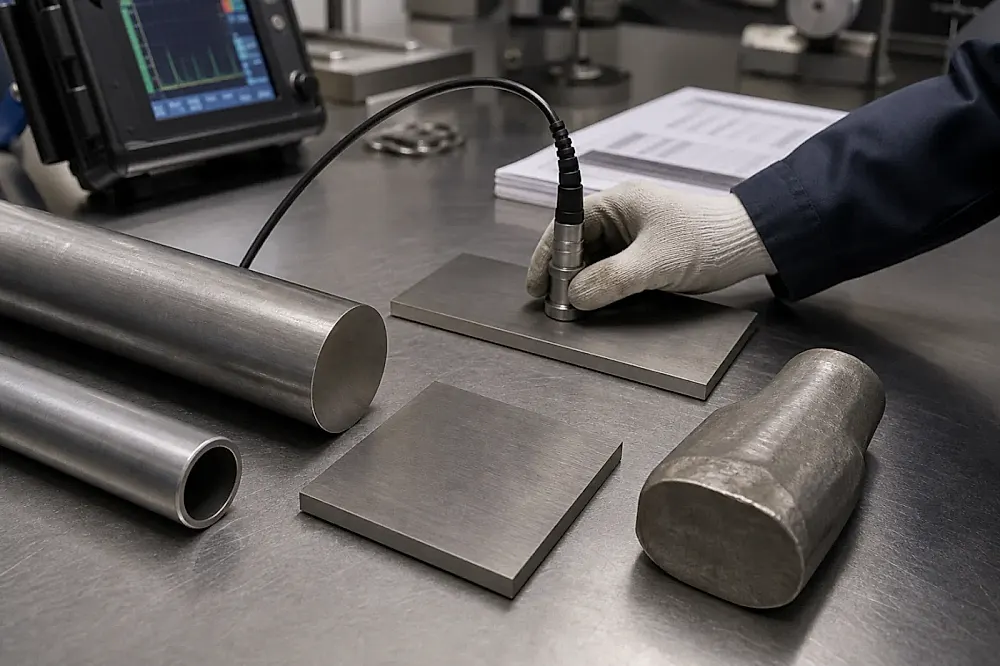
| Inspection evidence | Chemical tests, mechanical tests, ultrasonic or other non-destructive inspection, dimensional records | Aerospace programs need proof, not only supplier claims |
| Certification package | Standards, mill test certificates, traceability, conformity documents and customer-specific approvals | Documentation failure can stop an otherwise usable material |
| Delivery resilience | Lead time, logistics, inventory discipline and alternate qualified routes | Aircraft programs need predictable flow, not spot availability |
This framework is more practical than asking whether titanium prices are rising or falling. A lower raw-material price does not solve a missing NDI record. Available plate stock does not solve a forgings bottleneck. A fast quote does not replace customer-approved process history.
Additive Manufacturing Reinforces the Same Lesson
The same evidence-chain logic is visible in titanium additive manufacturing. On April 13, GKN Aerospace announced an $8.4 million TITAN-AM program with the U.S. Air Force Research Laboratory to industrialize Laser Metal Deposition with Wire for large titanium aerostructures. The program is not framed only around printing parts. It focuses on process industrialization, titanium material datasets, simulation, non-destructive inspection techniques and component demonstration (GKN Aerospace; see our earlier read on TITAN-AM and the aerospace titanium qualification picture).
That detail is important for traditional titanium product suppliers. Wire-fed additive manufacturing does not simply replace forged or machined products overnight. It adds another qualified route that still depends on material data, inspection methods and customer confidence. For some structural components, additive routes may reduce waste or shorten specific process chains. For many other applications, forged billet, rolled plate, tube or machined bar stock will remain the practical route. In both cases, buyers are rewarding suppliers that can explain the process route and prove repeatability.
What Export Titanium Suppliers Should Take From This
For export suppliers of titanium bars, tubes, plates, sheets and forgings, the commercial opportunity is not to imitate the scale of voestalpine’s aerospace business. Most suppliers will not compete directly for integrated aircraft-program packages. The useful takeaway is narrower and more actionable: serious buyers are screening for evidence maturity.
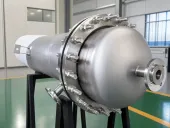
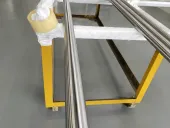
A supplier that sells titanium tubes into heat exchangers, plates into chemical equipment, bars into machined parts or forgings into aerospace-adjacent applications can strengthen its position by making the evidence chain easier to inspect. That means clearer grade control across Gr.1/Gr.2/Gr.5/Gr.7/Gr.12 and Gr.23 grades, more disciplined heat and batch traceability, test records that match the buyer’s standard, transparent processing limits, and realistic lead-time communication.
The same applies outside aerospace. Medical, chemical processing and energy buyers may not have the same program structure as Airbus suppliers, but they often care about the same titanium properties: corrosion resistance, strength-to-weight ratio, fatigue behavior, cleanliness, dimensional stability and documented compliance. When raw material supply is globally concentrated and qualified processing capacity is uneven, documentation becomes part of the product.
The defensible conclusion is simple: aerospace orders are not just pulling more titanium through the system. They are pulling titanium through a more demanding qualification chain. Suppliers that can connect product form, process route, inspection evidence, certification and delivery discipline will be easier for buyers to evaluate. Suppliers that only describe titanium as available stock will look less prepared for the procurement reality now shaping high-value titanium demand.
Related Products & Services
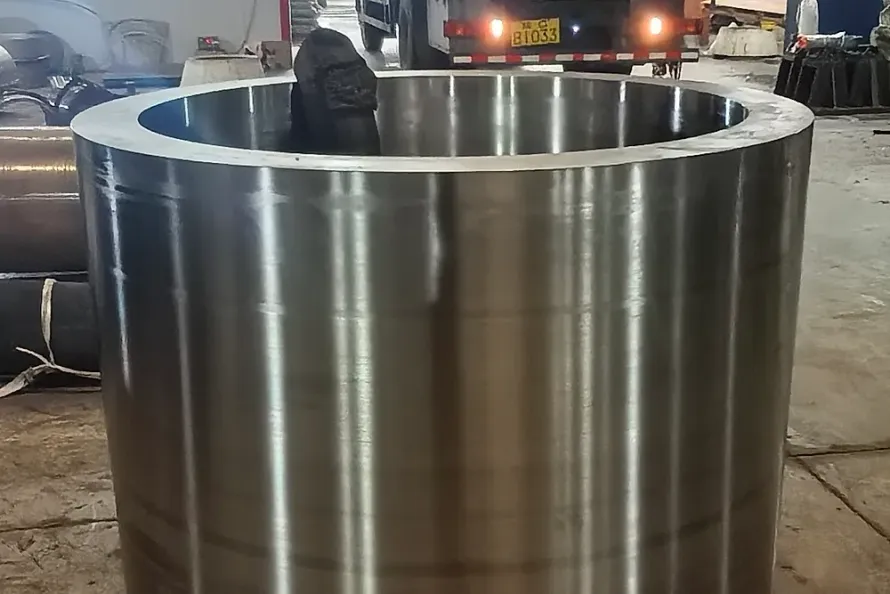
- Titanium forgings — Gr.1/Gr.2/Gr.5/Gr.7/Gr.12, AMS 4928 / ASTM B381 channels
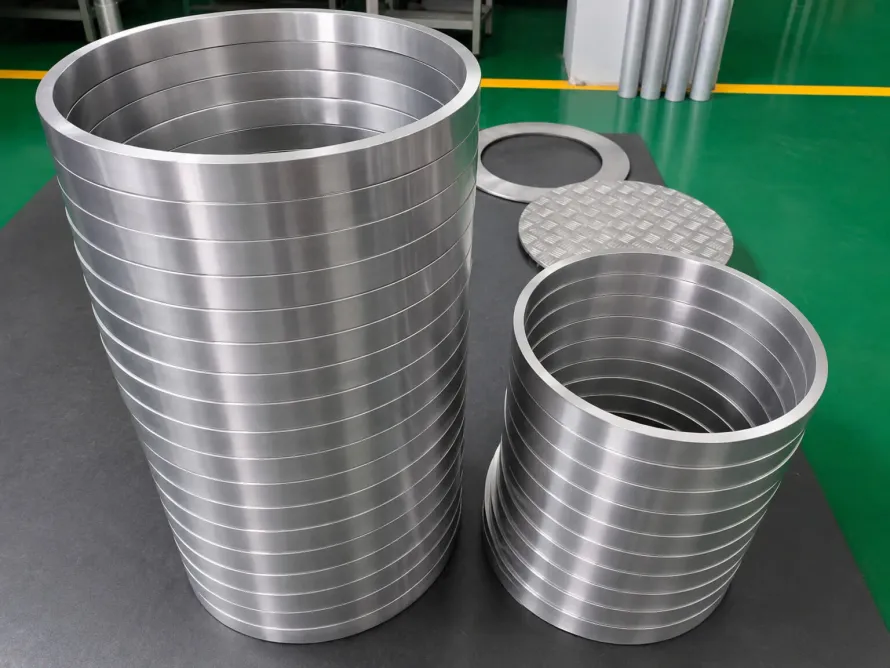
- Titanium tubes — heat exchanger and aerospace-adjacent tubing with traceable mill certs
- Titanium sheets & plates — chemical, marine and structural plate stock
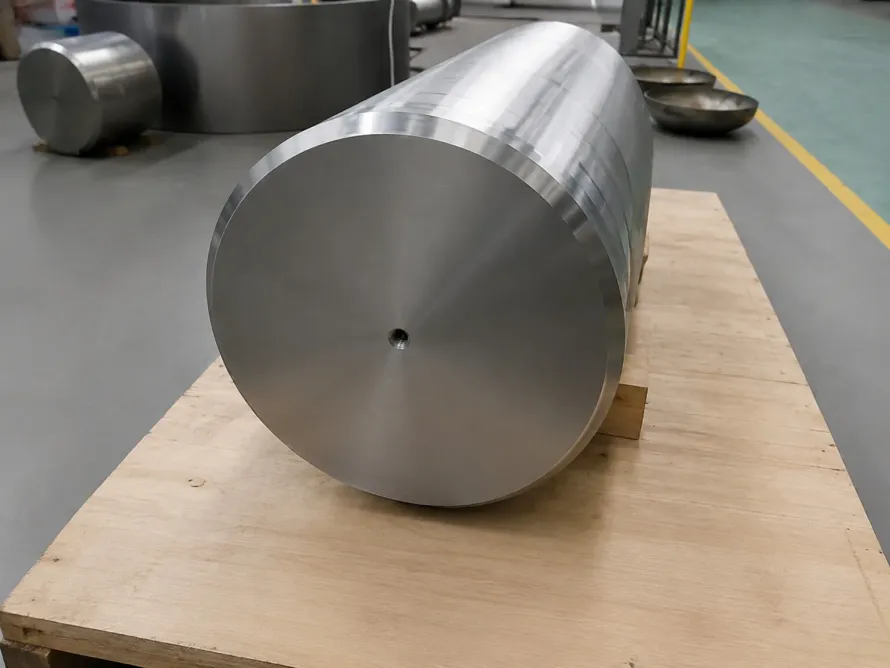
- Titanium bar / rod — ASTM B348 / B381 with batch traceability
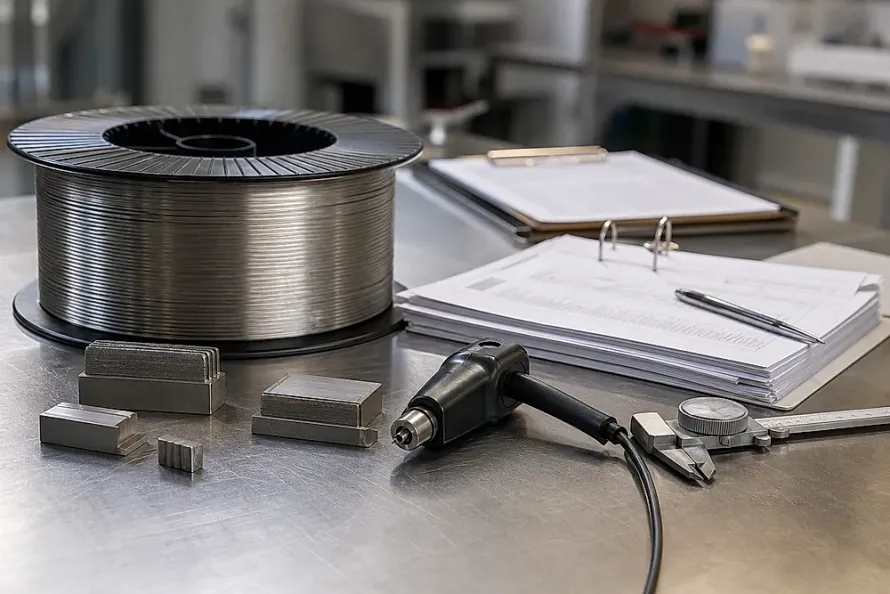
- Titanium wire — feedstock-grade wire for AM and welding routes
- Special titanium alloys (Gr.5 / Gr.23 / Ti-6Al-4V ELI) — aerospace and medical-grade reference
- Contract machining services — finish machining, dimensional verification and inspection-friendly delivery
- Titanium industry news — ongoing tracking of aerospace titanium qualification, procurement and supply-chain shifts
FAQ
# Why does aerospace titanium procurement now require more than available stock?
# What is a titanium qualification chain?
# How does titanium sponge import reliance affect downstream buyers?
# Does titanium additive manufacturing replace forged or machined titanium products?
# What should export titanium suppliers document for serious buyers?
Need this material? Get a factory-direct quote.