Titanium Rod Procurement: 6 Traps to Avoid
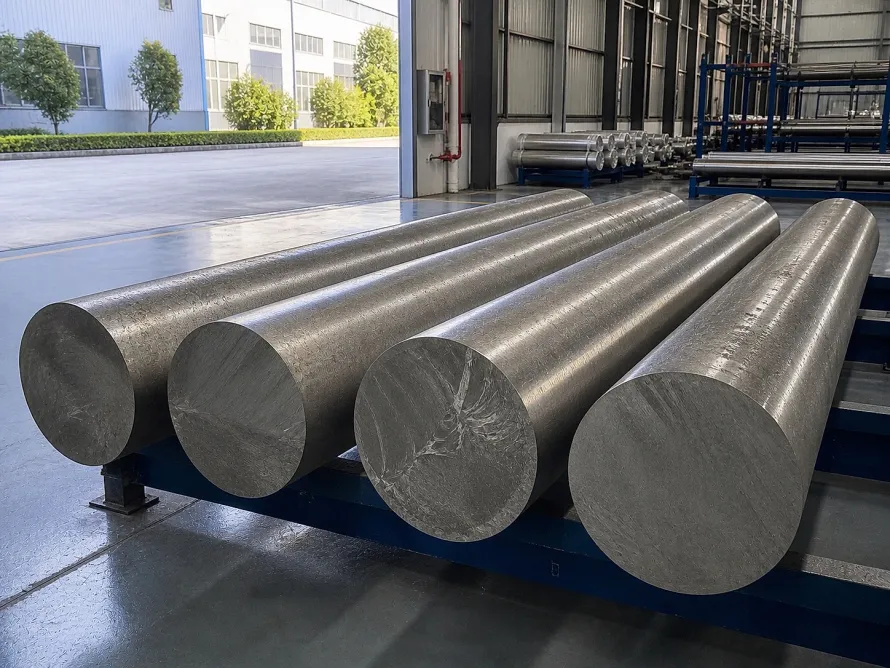
Titanium rod looks like the simplest titanium product — a round metal bar. It is also one of the most disputed categories in procurement.
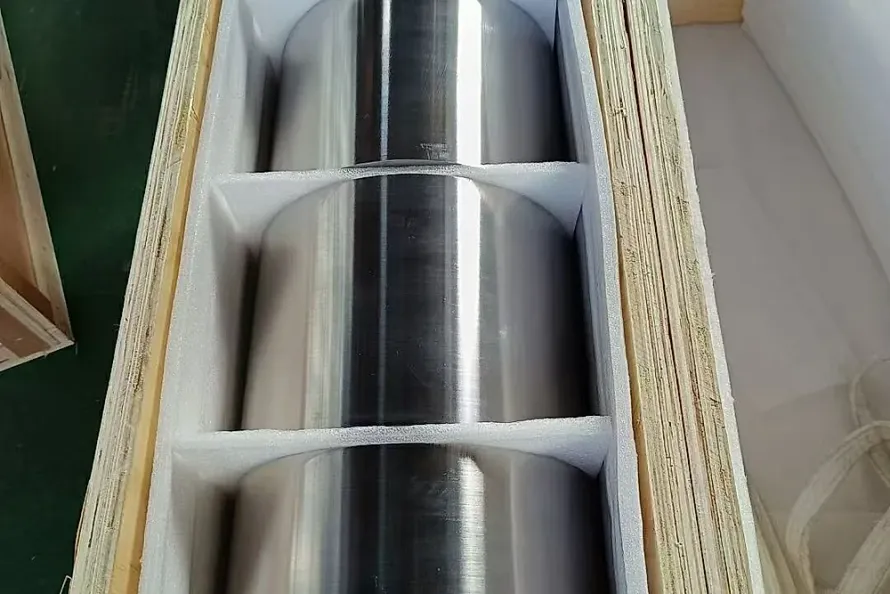
The problem is not poor quality. It is the grey area in specification language. Take a “Ø25mm Gr.5 titanium rod.” Ground versus black-surface finish means a tenfold difference in dimensional tolerance, a 40% difference in unit price, and two extra machining operations before the part is ready to cut. If your purchase order does not specify surface finish and tolerance class, what you receive may be nothing like what you expected.
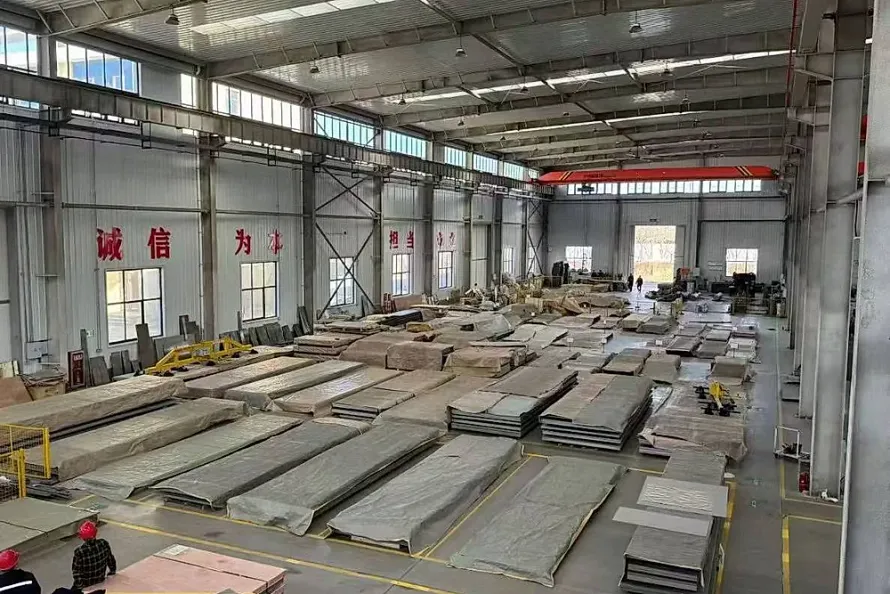
The following six traps come up repeatedly at our Baoji facility, where we process thousands of titanium rods every month.
Trap 1: Grade Without Surface Finish
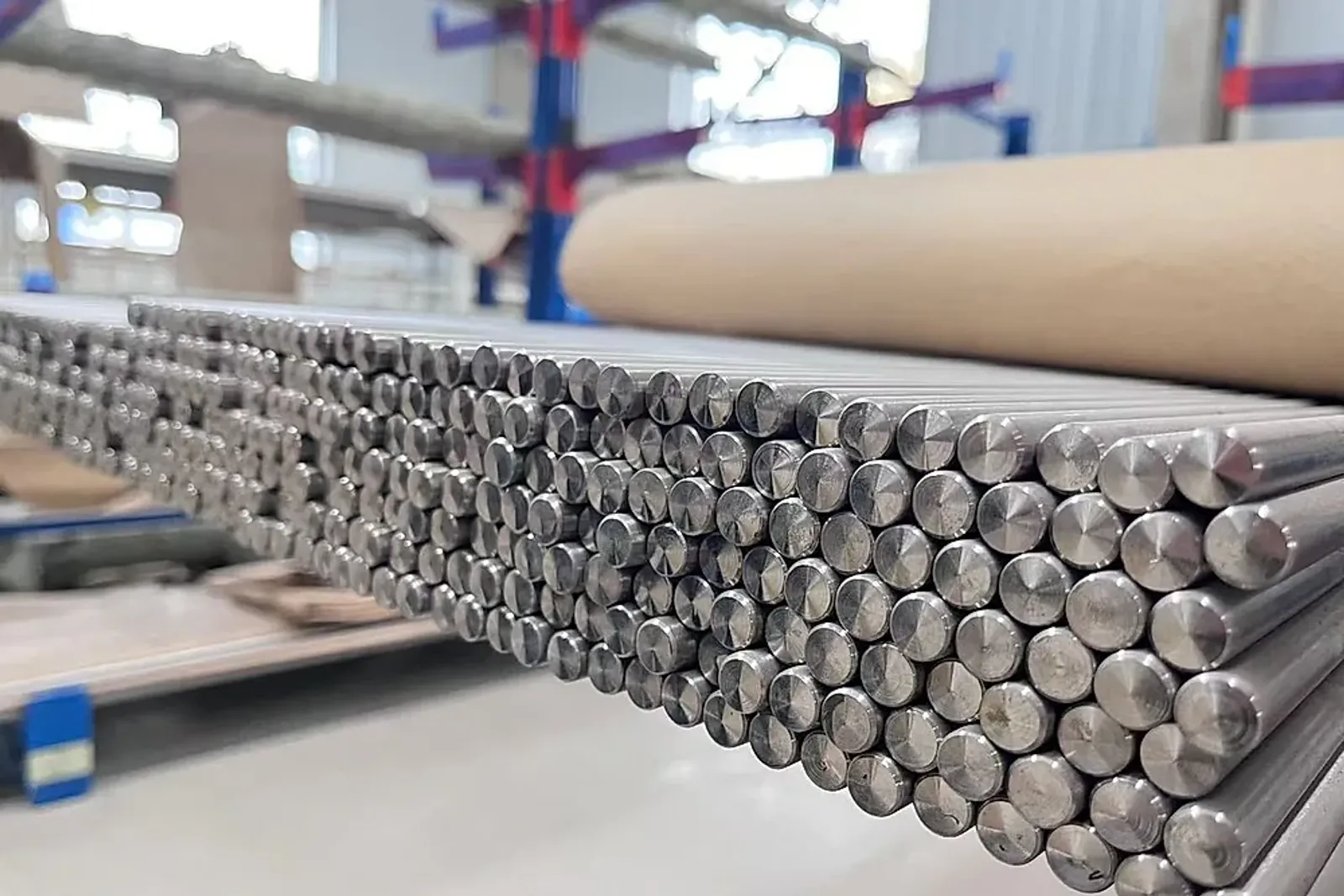
This is the most common mistake. The order reads “Gr.5 Ti-6Al-4V Ø25 × 1000mm” with no surface specification.
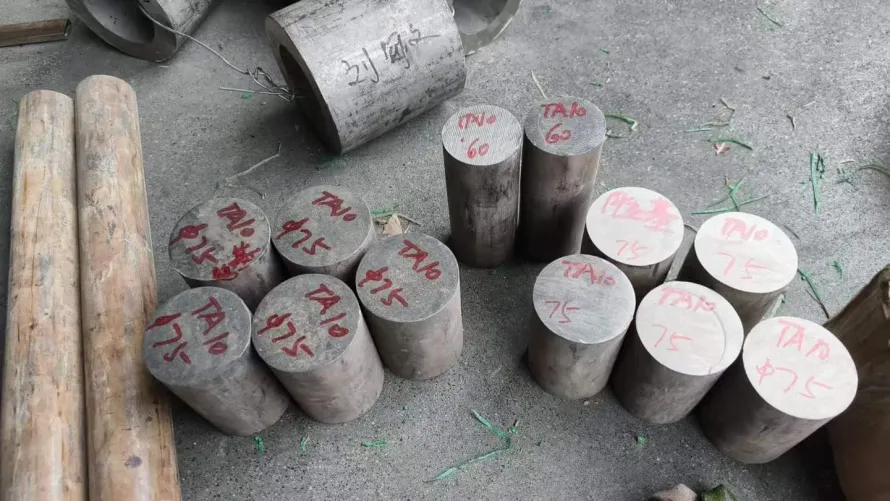
How does the supplier interpret that? Default: the cheapest option — black surface bar. Black bar is the as-hot-rolled or as-forged condition with no surface finishing, which carries the lowest unit price.
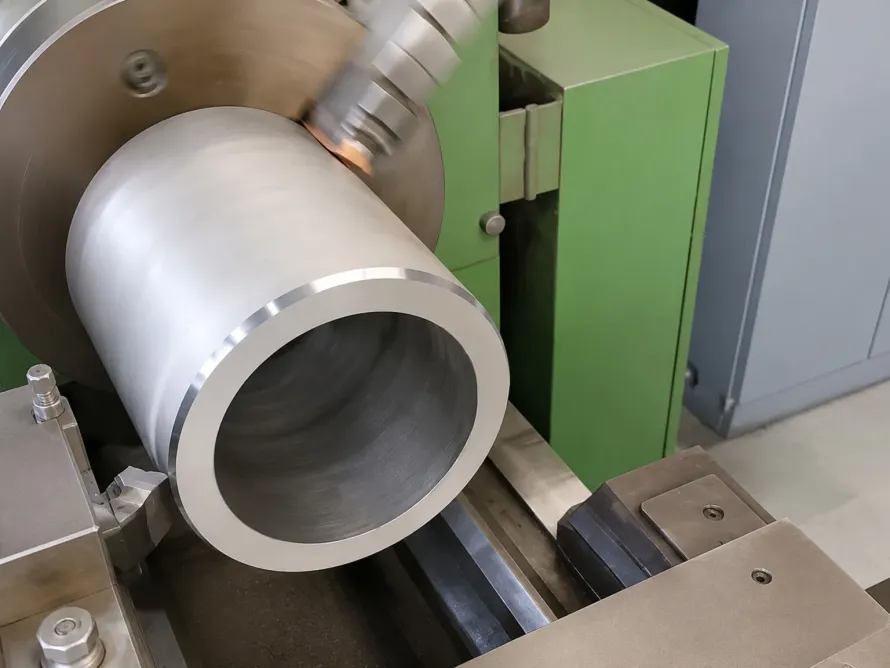
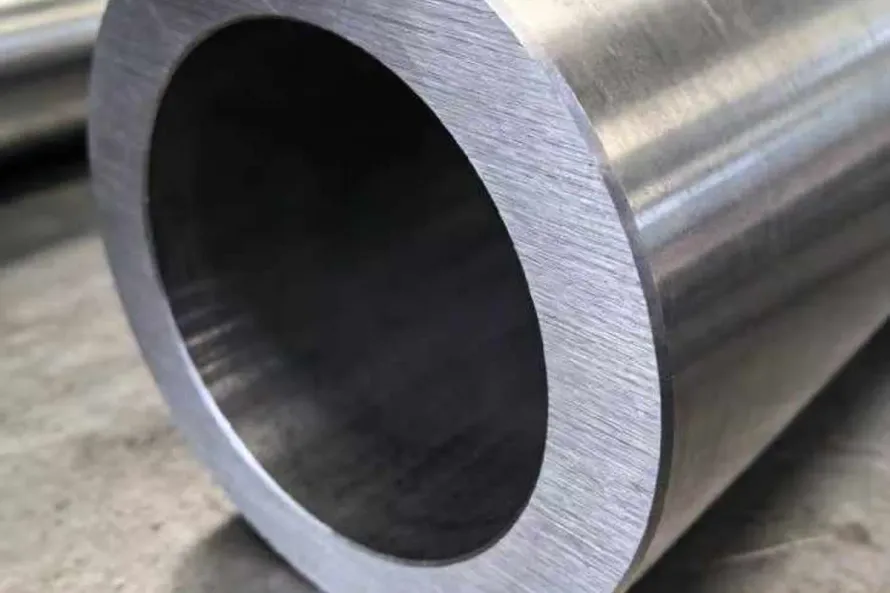
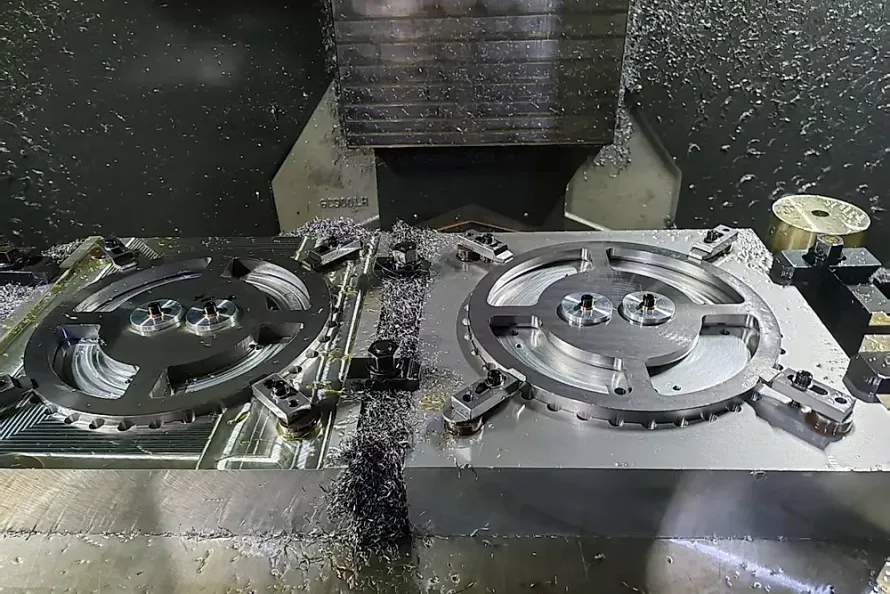
If your downstream operation is CNC precision machining, black bar means: first turning pass to remove the oxide skin and scale (consuming 1–2 mm of radial stock), then grinding or finish-turning to target diameter. That adds one to two extra operations and increases machining time by 30–50%.
Our shipping data shows the following breakdown for titanium rod orders:
| Surface type | Share | Tolerance class | Surface roughness Ra | Typical application |
|---|---|---|---|---|
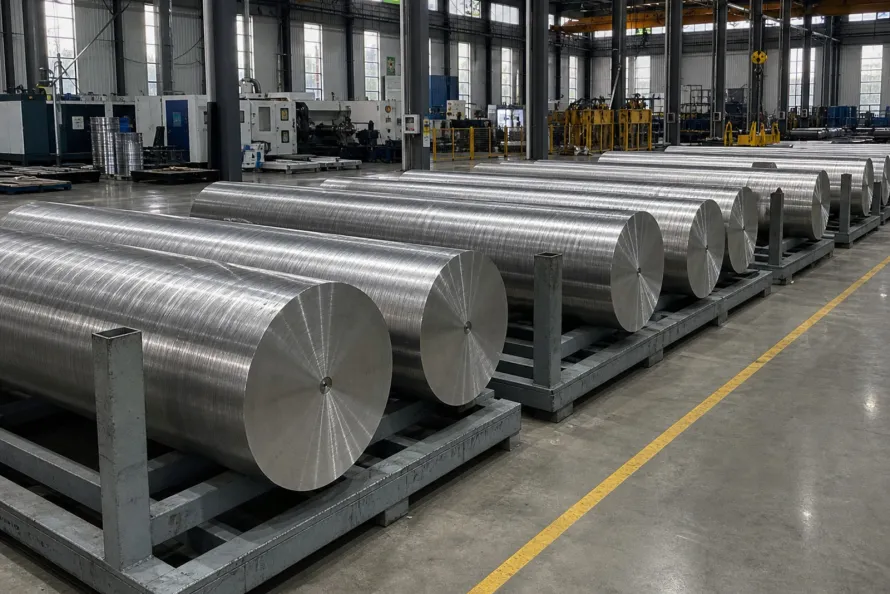
| Ground | ~55% | h7–h9 (tight) | <0.8 μm | Direct-to-CNC, highest efficiency |
| Turned | ~30% | h11 (medium) | 1.6–3.2 μm | Reliable UT inspection, mid-range cost |
| Black surface | ~15% | Wide | Rough | Lowest cost, heavy roughing stock |
Key lesson: State the surface finish explicitly on the purchase order. If you are unsure, describe your downstream operation — the supplier can recommend the right finish.
Trap 2: Confusing Diameter Tolerance Classes
For a Ø25mm titanium rod, how much does the permitted deviation differ between h7 and h11?
- h7: Ø25 +0/−0.021 mm
- h11: Ø25 +0/−0.130 mm
Six times the deviation. If your part drawing calls for a Ø25 h7 fit and you ordered h11 bar, the outside diameter will likely be out of tolerance after CNC machining. That is not a material defect — it is a wrong tolerance class.
A subtler trap: some suppliers quote “ASTM B348” in their documentation, but ASTM B348 only covers chemical composition and mechanical properties. It does not govern diameter tolerance. Diameter tolerance requires a separate reference to ASTM E29 or ISO 286. If your order only cites the B348 standard number, the actual tolerance is entirely up to the supplier’s default — which may be h9 or h11.
Key lesson: Specify the tolerance class (h7/h9/h11) or an equivalent standard directly on the order, not just the material standard.
Trap 3: No Length Tolerance Defined
A rod ordered as “1000mm long” might arrive anywhere from 998mm to 1010mm.
Length tolerance on titanium rod depends on the cutting method: bandsaw cutting typically holds ±2–3 mm; precision saw cutting can achieve ±0.5 mm; tighter requirements call for a facing pass. The problem is that most purchase orders specify “1000mm” and nothing else. The supplier defaults to the most economical method — bandsaw, ±3 mm. If your part needs 1000 ±0.5 mm, you will be facing the end on arrival, adding an operation and wasting material.
Key lesson: State both the length and the length tolerance. If precision length is required, flag it upfront — suppliers can meet ±0.5 mm with precision cutting or end facing.
Trap 4: Skipping Straightness Inspection
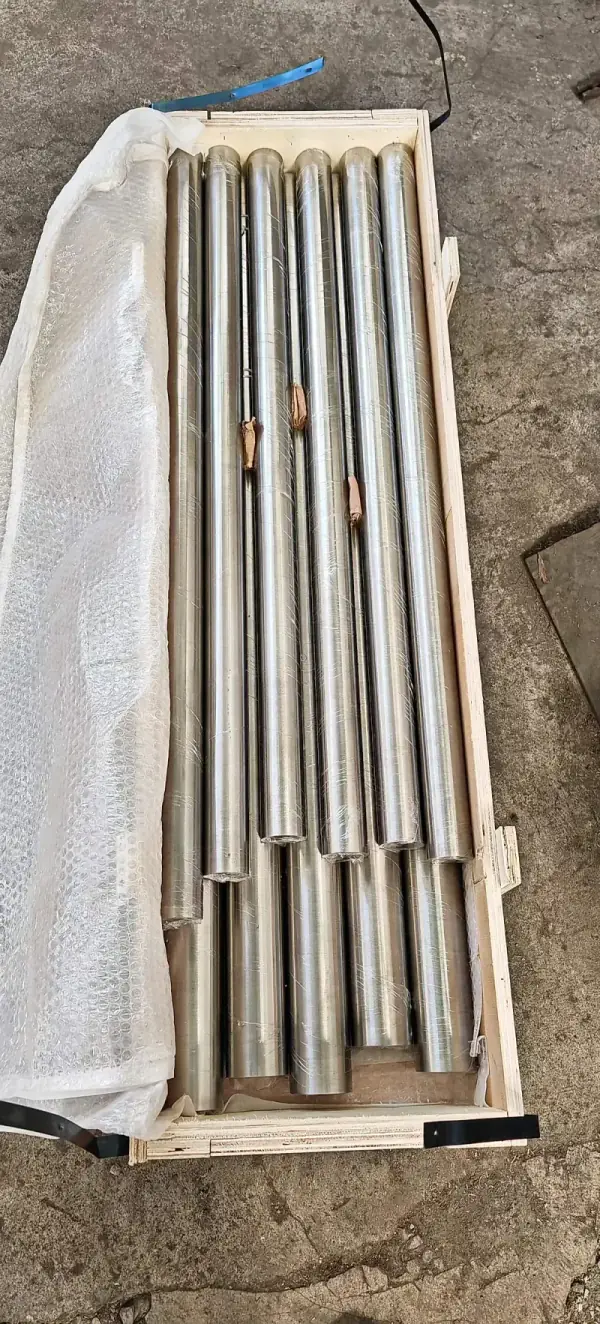
Titanium rod — especially small-diameter long bar (Ø<15mm, L>1000mm) — is prone to bow.
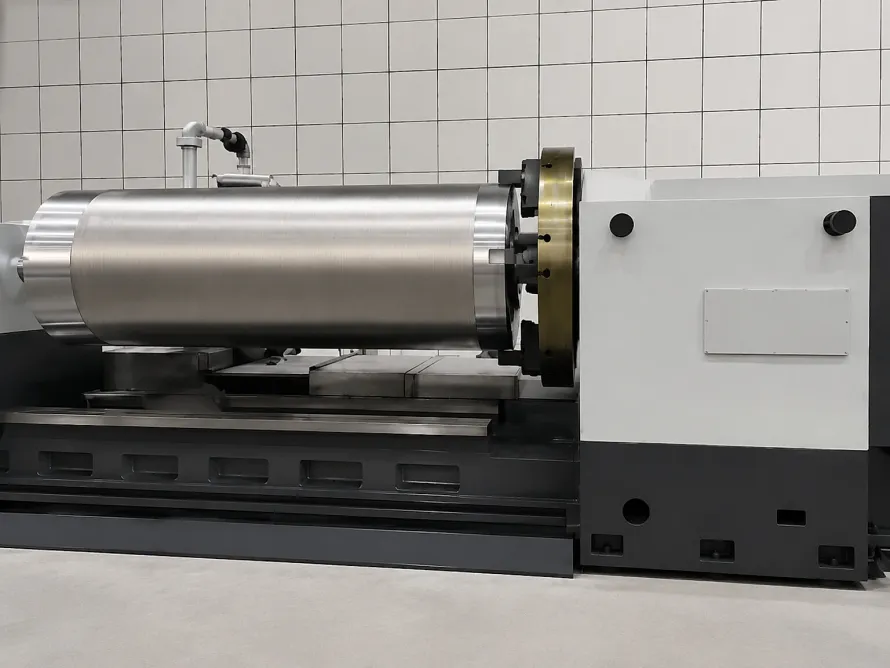
ASTM B348 requires no more than 0.8 mm of bow per 300 mm of length. That is adequate for most applications. But for high-volume turning on CNC bar-feeding lathes, 0.8 mm/300 mm of bow can cause chuck-induced vibration that degrades dimensional accuracy and surface quality.
Automatic lathe bar stock typically demands ≤0.3 mm/300 mm. Meeting that level requires an additional straightening pass.
“We had a batch come back from a customer — they said the rod was running out on their automatic lathes. We measured straightness and found it fully within B348. The problem was that the customer had not specified a straightening requirement, and automatic lathes hold straightness to two to three times the standard. After that, any order for small-diameter long bar, we proactively ask whether it is going into a bar feeder.” — Shop Supervisor Liu
Key lesson: If the bar will be used in an automatic lathe or any precision clamping application, specify your straightness requirement separately.
Trap 5: Accepting the MTC Without Checking the Physical Bar
The mill test certificate (MTC) is the birth certificate for chemical composition and mechanical properties. What the MTC does not cover:
- Actual measured diameter (MTC only lists nominal)
- Surface roughness
- Straightness
- Surface defects (cracks, laps, inclusions)
We have seen this scenario: a perfect MTC — chemistry in spec, tensile strength met — but the bar carries a hairline longitudinal crack. UT inspection cannot find surface cracks because the ultrasound does not pass through the defect zone. The customer discovers it only after machining.
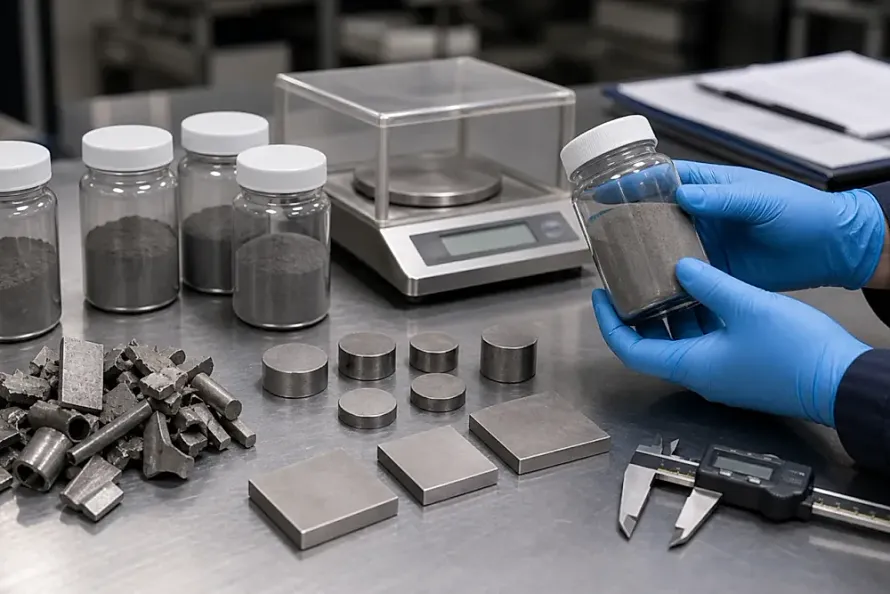
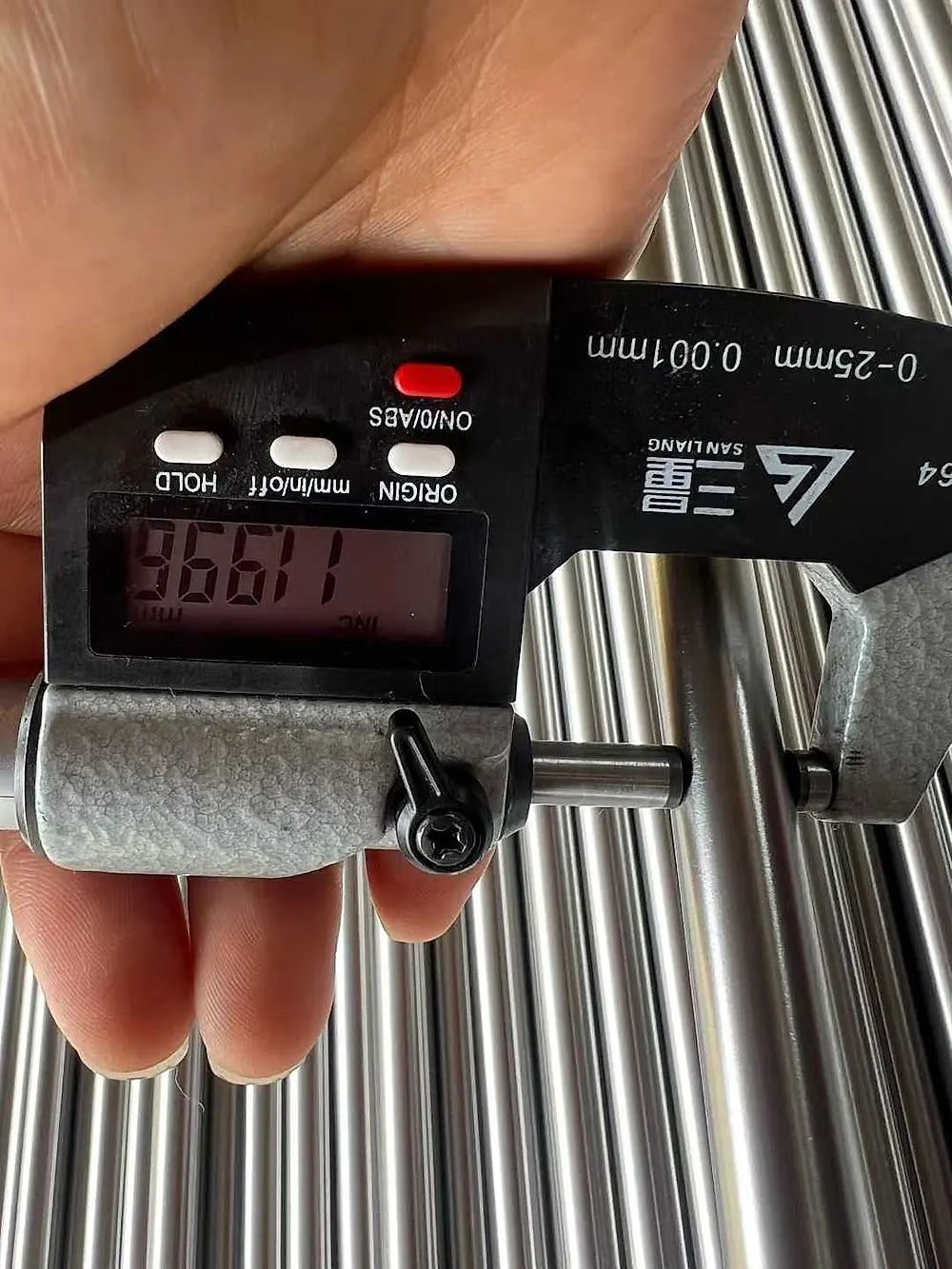
Key lesson: On receipt, do three things: 1) Measure diameter with a caliper — sample 10%, minimum three bars, three points per bar (head, middle, tail); 2) Visual inspection against a raking light — cracks and laps are most visible in oblique lighting; 3) For aerospace applications, require a dye penetrant (PT) or magnetic particle (MT) report from the supplier.
Trap 6: No Heat Number Traceability Required
A lot of 50 titanium rods may come from two or three different melt heats. If the order does not require single-heat supply, the supplier defaults to mixed-heat shipment — because matching a single heat number increases inventory complexity and can extend lead time.
Mixed heats are fine for general industrial use. For aerospace, medical, and nuclear applications, traceability is a hard compliance requirement — every part must trace back to a specific heat number and ingot batch.
Key lesson: For aerospace, medical, or nuclear applications, state “single heat supply” and “complete heat traceability documentation” on the purchase order. For general industrial use, mixed-heat supply is acceptable — it offers better lead times and pricing.
None of these six traps are caused by a quality problem with the material. Every one of them traces back to ambiguous specification language on the purchase order. Writing down exactly what you need matters more than finding a good supplier.
Need a titanium rod procurement specification template? Contact us to get one.
Related Products & Services
- Service → Cut to Length — Precision cutting service with length tolerance down to ±0.5 mm
- Product → Titanium Rods — Gr.2/Gr.5 rod in ground, turned, and black surface finish, off-the-shelf stock
- Product → Titanium Forgings — Forged billet, the starting stock for large-diameter titanium bar
Related Articles:
Need this material? Get a factory-direct quote.