Titanium Scrap Prices 2026: Who's Buying and Where Rates Head
Titanium scrap is not a side business. It has become a battleground for pricing power.
In 2026, the three largest US titanium producers — ATI, Perryman, and Timet — are adding a combined 30,000 tonnes per year of ingot capacity. The feedstock for that capacity is not sponge. It is scrap. Industry scrap utilization is forecast to climb 22%.
More melting capacity chasing the same pool of scrap. The result is already written into prices: CP scrap is currently quoted at $3.4–4.8/kg, Ti-6Al-4V alloy scrap at $8.6–12.5/kg, and high-grade TC4 scrap has already reached $5.2/lb at auction.
When scrap rises, finished products follow. That transmission chain is already working.
Scrap Market Structure: Who Produces It, Who Buys It
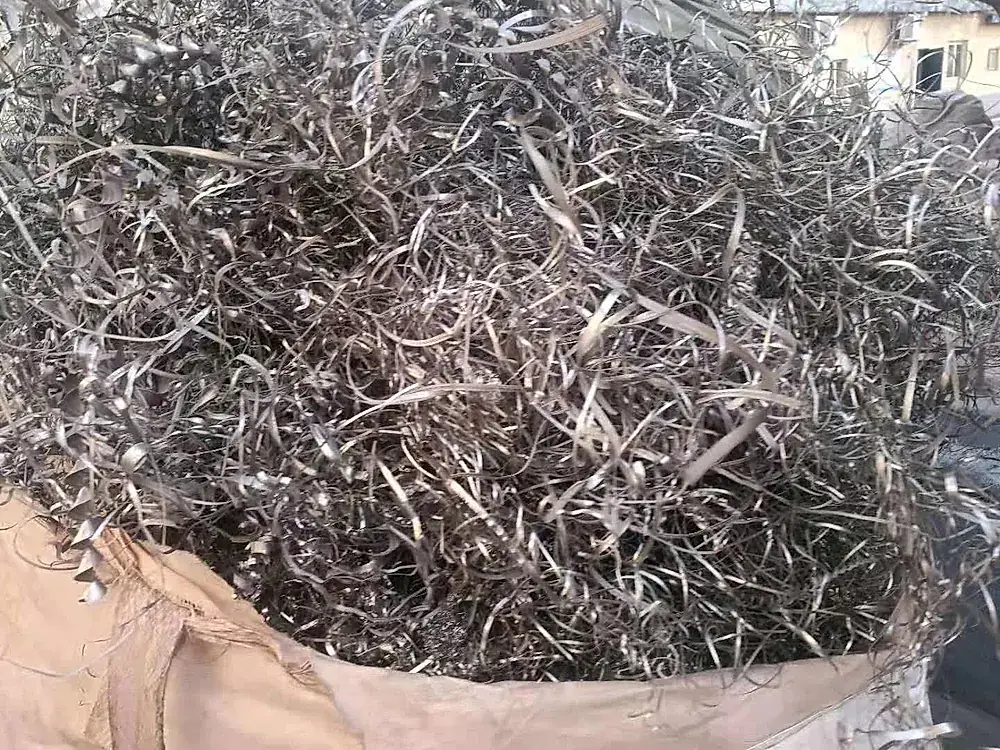
Titanium scrap comes from three sources.
1. Aerospace MRO (maintenance, repair, and overhaul). Airframe and engine component retirement cycles run 15–25 years. This output is fixed — there is no way to accelerate aircraft retirement just because scrap prices are high. Recoverable aerospace-grade titanium scrap in 2026 is estimated at 35,000–40,000 tonnes per year.
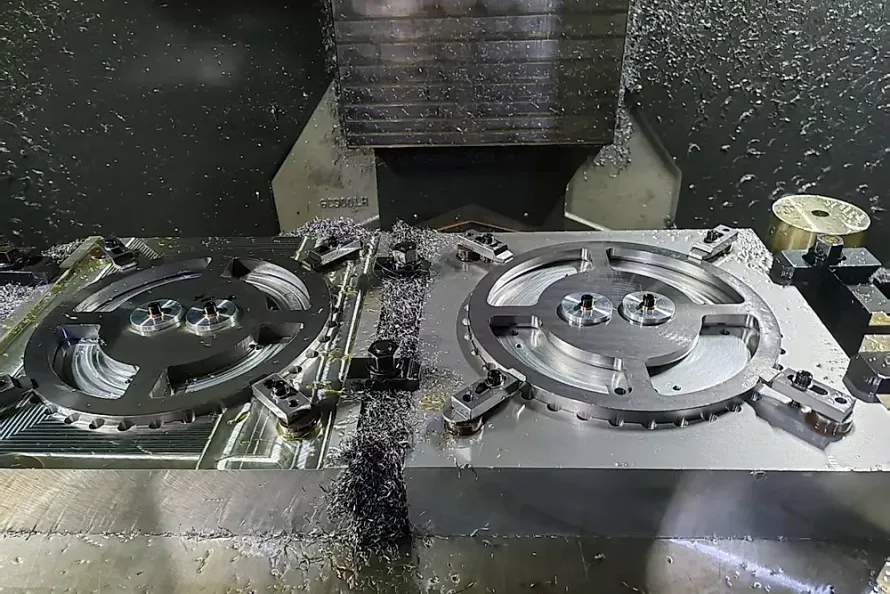
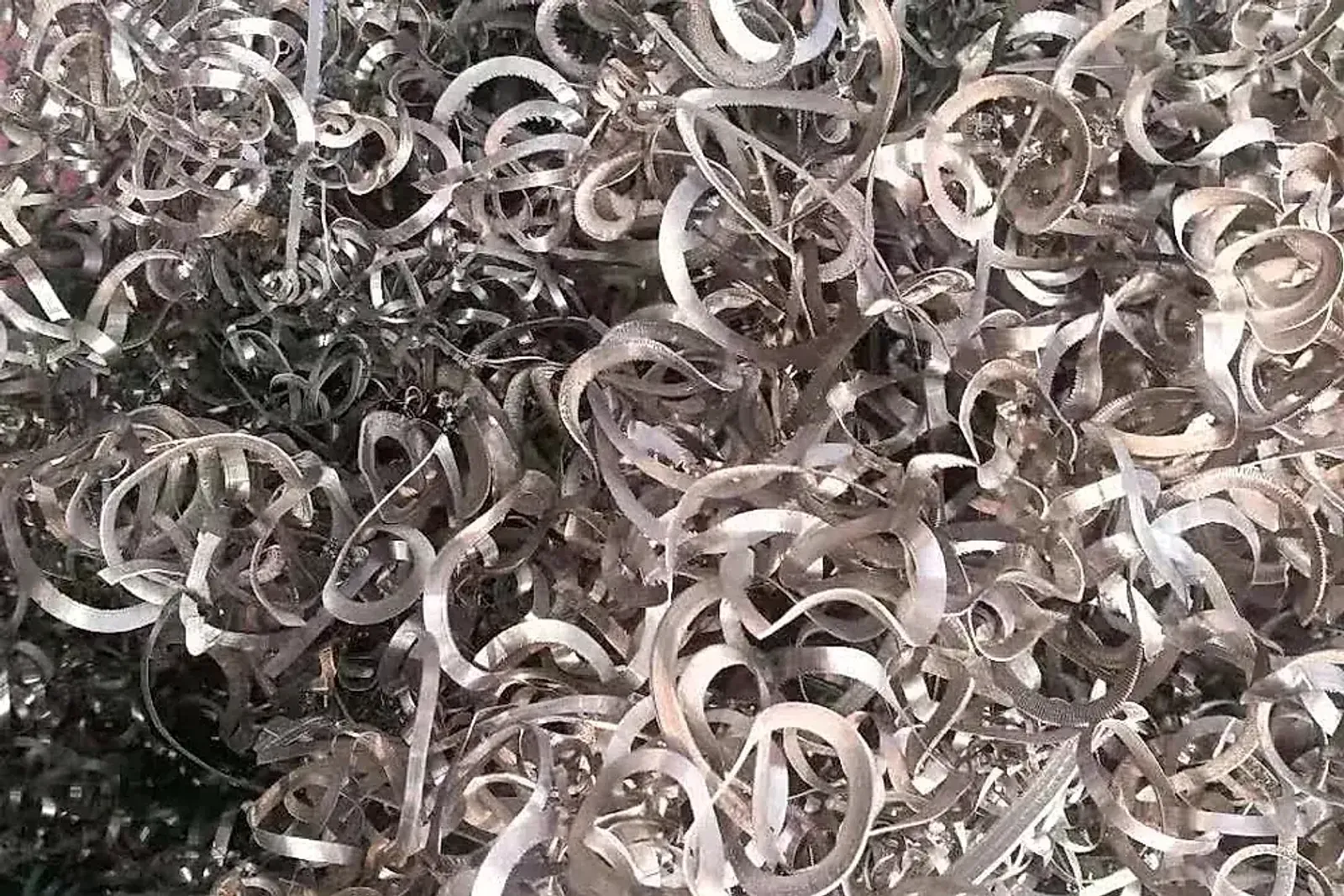
2. Machine shop turnings and offcuts. The buy-to-fly ratio in titanium forging can reach 8:1 to 12:1 — meaning that buying 10 kg of bar stock yields roughly 1 kg of finished part and 9 kg of chips and offcuts. This portion of the scrap stream moves with manufacturing order volume.
3. Industrial equipment retirement. Gr.2 titanium from chemical heat exchangers, electrolysis anodes, and desalination units has a service life of 20–30 years. This scrap is high in purity but limited in volume.
Who are the buyers? Primarily three groups:
- US titanium producers (ATI, Perryman, Timet) — the most aggressive buyers after their capacity expansions
- Japanese sponge producers (Toho, Osaka Titanium) — supplementing ingot feed with scrap
- Chinese recyclers — but their bidding power is weakening due to the removal of export VAT rebates and rising freight costs
The Price Transmission Chain: Scrap → Ingot → Finished Product
Scrap prices do not exist in isolation. Understanding the transmission path matters.
Level 1: Scrap → ingot cost. Scrap typically accounts for 30–60% of the melt charge. Assuming a 40% scrap ratio, a $1/kg rise in scrap translates to roughly $0.40/kg added to ingot cost.
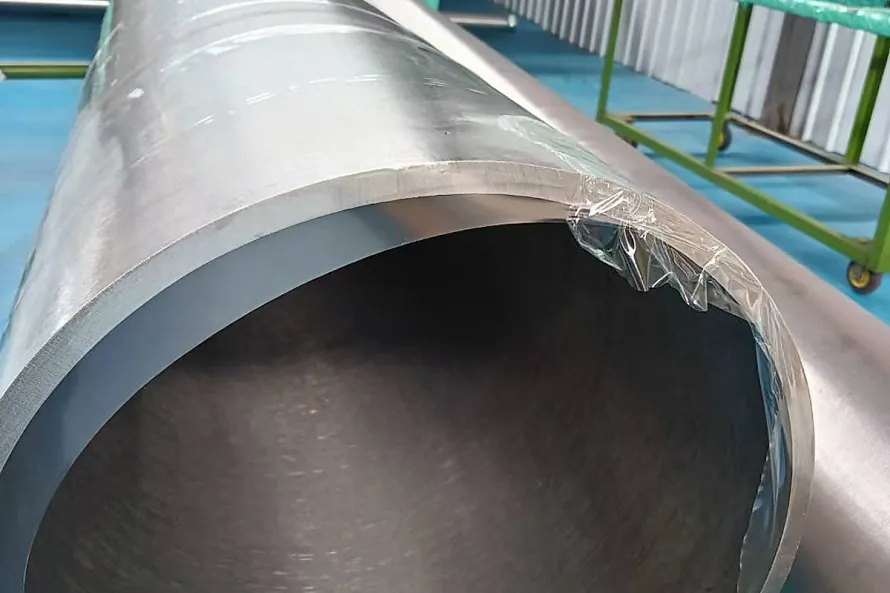
Level 2: Ingot → semi-finished product. Ingot passes through forging, rolling, or drawing to become rod, plate, or tube. Processing yield loss runs 15–30%. A $0.40/kg ingot increase adds $0.50–0.55/kg to semi-finished product cost.
Level 3: Semi-finished → end component. A buy-to-fly ratio of 8:1 means a $0.50/kg increase in bar stock is amplified eight times at the finished part level — a $4/kg cost increment.
This is why scrap price moves that look modest at the raw material stage have an outsized impact downstream. TC4 alloy scrap moving from $7/kg to $12.5/kg is a $5.5/kg shift. Transmitted through the supply chain, that translates to a $15–25/kg cost increase at the aerospace forging level.
“We track scrap prices not because we trade scrap, but because scrap is the leading indicator for forging and rod costs. Scrap typically leads finished product price moves by six to eight weeks. When scrap prices start moving, it is time to lock in finished product orders.” — Sales Director Liu
2026 Scrap Price Outlook
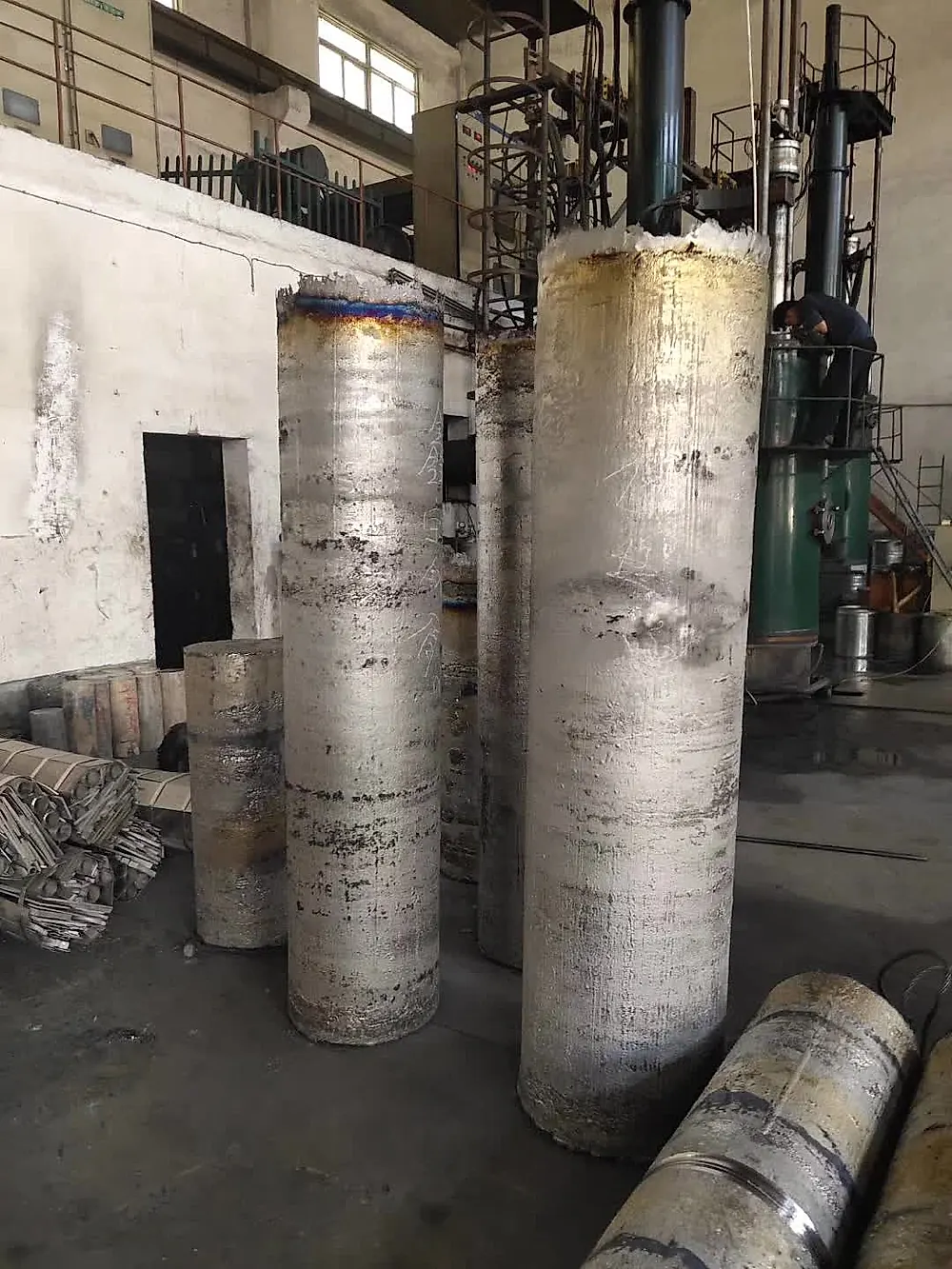
Three assessments based on supply-demand analysis:
Assessment 1: CP scrap prices stabilize. The supply base for commercial-purity scrap is relatively steady — chemical equipment retirement follows predictable cycles, and there is no large-scale demand expansion on the horizon. The $3.4–4.8/kg band will likely hold for the full year.
Assessment 2: TC4 alloy scrap keeps climbing. Aerospace MRO output is constrained while demand from the three US expansions is surging. The supply gap is widening. $12.5/kg may not be the ceiling; a move to $14–15/kg in the second half is plausible.
Assessment 3: Quality premiums widen sharply. The spread between high-grade scrap (known chemistry, traceable origin, low oxygen) and mixed scrap has widened from $1–2/kg historically to $3–4/kg now. The procurement implication: confirm what quality of scrap your supplier is using to melt your rods and plate.
Action Items for Buyers
1. Monitor scrap prices as a leading signal for finished product pricing. If TC4 scrap breaks through $13/kg, expect to see finished product price increases in six to eight weeks. Locking in orders ahead of the move is better than reacting after.
2. Ask suppliers about their feedstock composition. Are the forgings you are buying melted from virgin sponge and new material, or from a scrap-blended charge? Higher scrap ratios offer a cost advantage but demand tighter control over oxygen content and trace elements. Verify that your supplier’s MTC carries complete heat numbers and charge traceability.
3. Consider raw material escalation clauses in long-term contracts. If your annual purchase volume exceeds 5 tonnes, build a scrap-price linkage clause into long-term agreements — defining a baseline scrap price and an adjustment mechanism for finished product pricing. Under current market conditions, this is fairer than a fixed-price contract.
Titanium Seller is a titanium supply chain platform headquartered in Baoji, China’s titanium valley.
Related Products & Services
- Service → Stocking Programs — Price-lock inventory programs to hedge against scrap-driven cost transmission
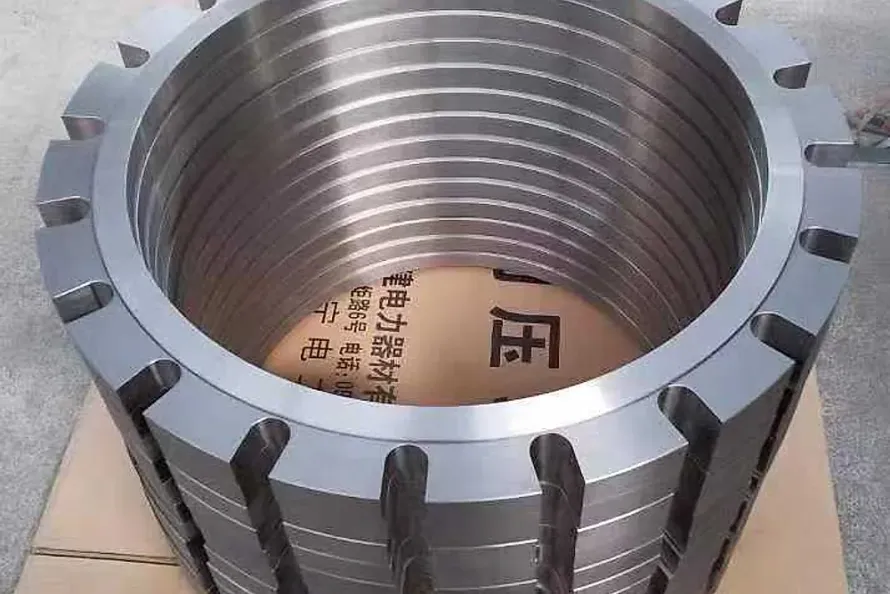
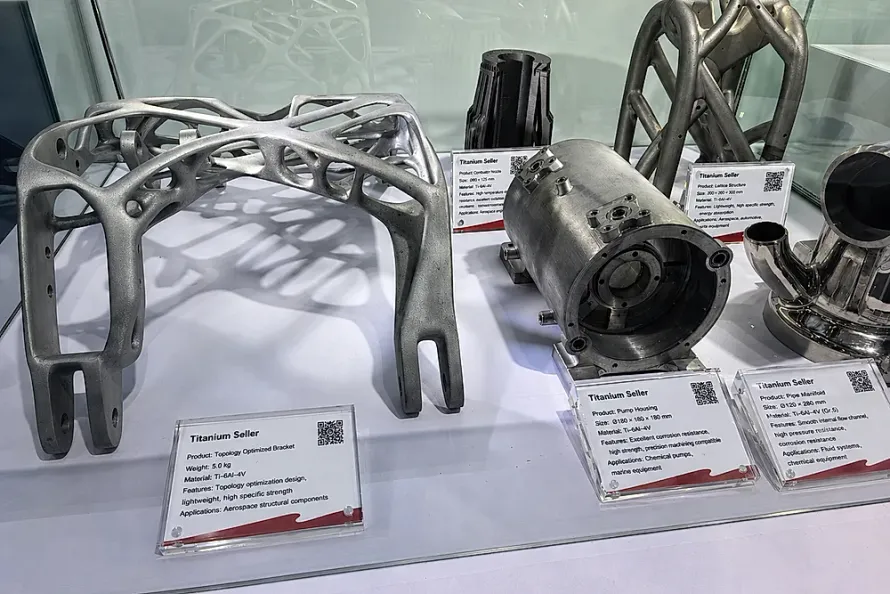
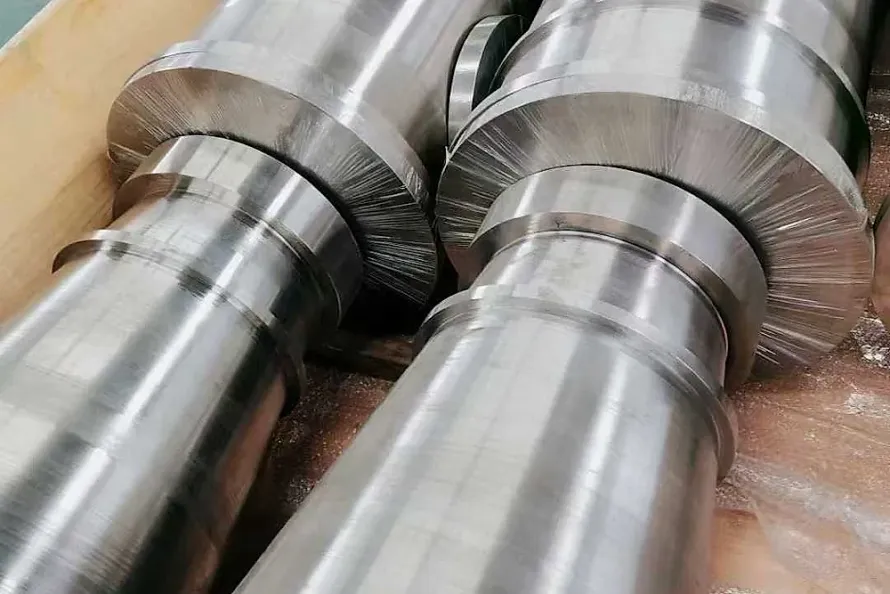
- Product → Titanium Forgings — Forging costs are directly affected by TC4 scrap prices
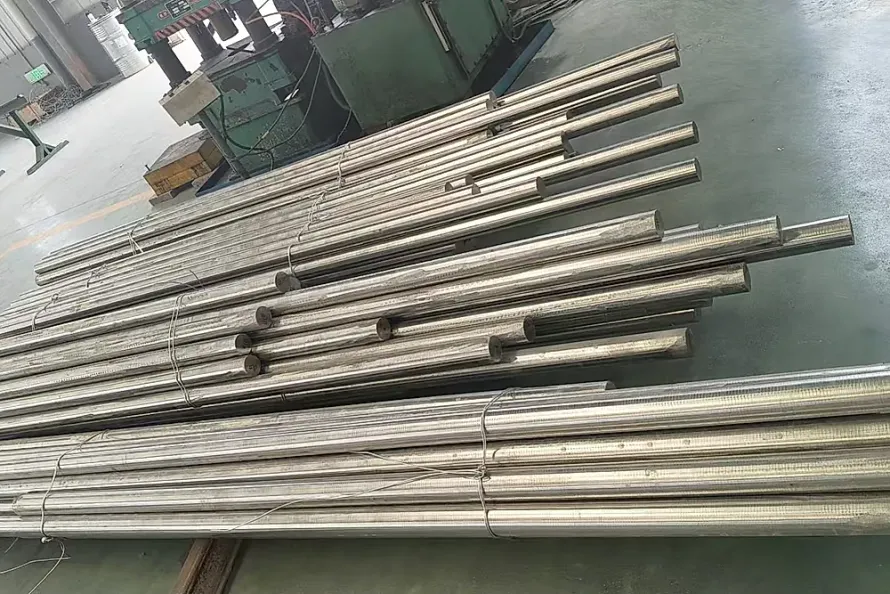
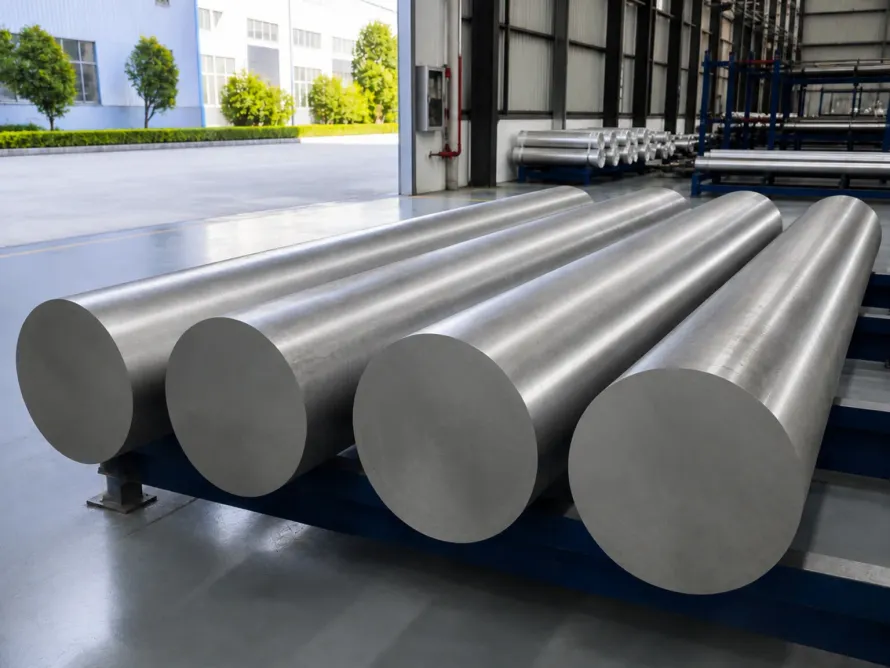
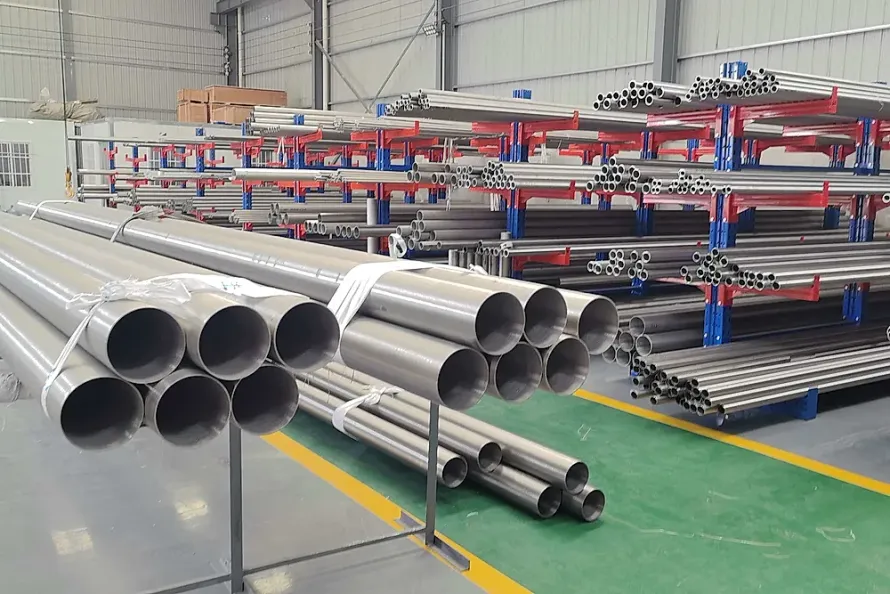
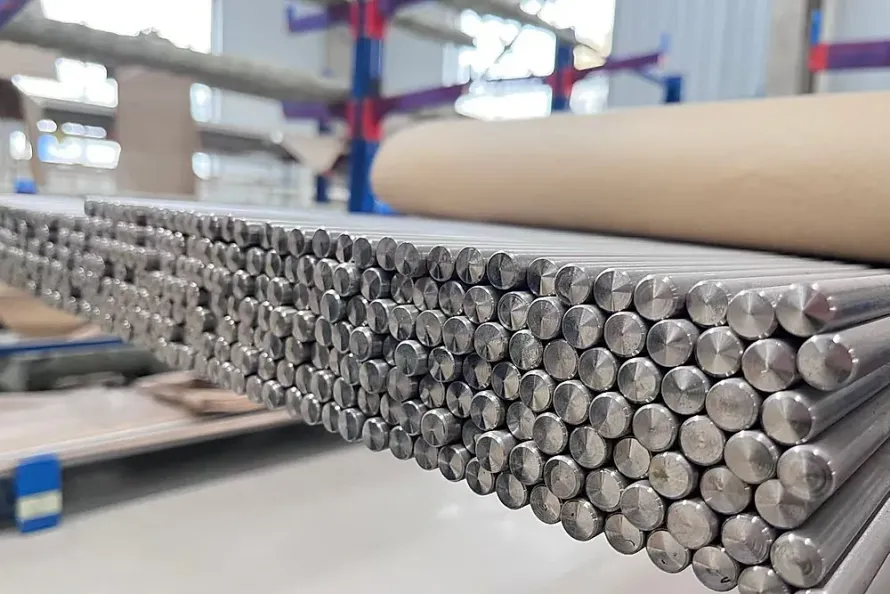
- Product → Titanium Rods — Scrap content in melt charge directly influences rod pricing
Related Articles:
Need this material? Get a factory-direct quote.