Grade 2 Titanium: Why the Chemical Industry Depends on It
Ti-6Al-4V gets most of the attention in the titanium industry. Aerospace, medical, additive manufacturing — high-end applications belong to Gr.5. But look at actual global titanium shipment volumes, and the real workhorse is not Gr.5. It’s Grade 2.
In chemical processing, Gr.2 holds over 80% market share. Not because it’s cheap. Because in highly corrosive environments, it outperforms Gr.5.
That sounds counterintuitive. But the data doesn’t lie.
Corrosion Resistance: Why Pure Titanium Beats the Alloy
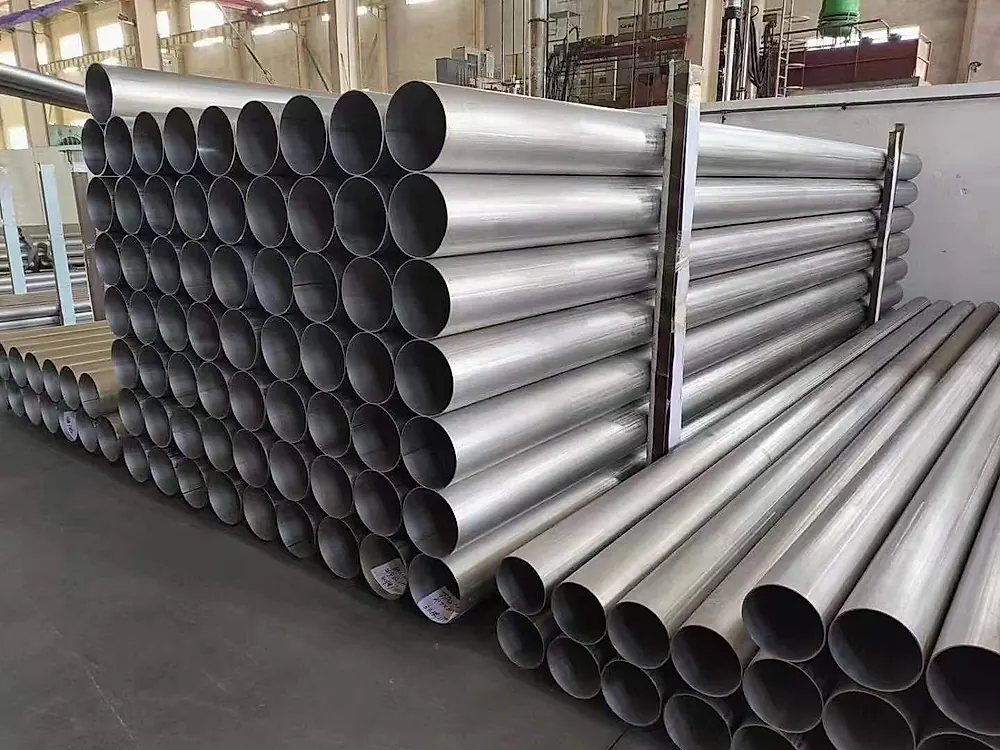
Start with the mechanism. Keep it brief.
Titanium’s corrosion resistance comes from a TiO₂ passive oxide film on the surface. This film forms spontaneously at room temperature. It is only 5–10 nm thick, but exceptionally dense. In neutral and oxidizing media, the TiO₂ film is self-healing — even if mechanically damaged, it regenerates within milliseconds.
Gr.2 is commercially pure (CP) titanium with a titanium content of ≥99.2%. Total impurity levels are minimal. This means the TiO₂ film has maximum uniformity — no micro-scale electrochemical potential differences from alloying elements, no preferential corrosion sites.
Ti-6Al-4V (Gr.5) introduces 6% aluminum and 4% vanadium. These elements raise strength, but they also create micro-scale electrochemical heterogeneity within the α+β dual-phase microstructure. In high-Cl⁻ environments — seawater, hydrochloric acid, wet chlorine gas — phase boundaries become initiation sites for crevice corrosion.
One number makes it clear: in chloride-bearing oxidizing acid at 200°C, Gr.2 corrodes at roughly 0.02 mm/year. Gr.5 can reach 0.1 mm/year — a five-fold difference.
“Many buyers new to the industry see Gr.5’s strength specs and assume stronger is better. But in chemical plant applications, strength is never the constraint — wall thickness design carries sufficient margins. The real make-or-break factor is corrosion service life. On that dimension, Gr.2 decisively outperforms Gr.5.” — Quality Director Hu
Weldability: Why Chemical Equipment Demands CP Titanium
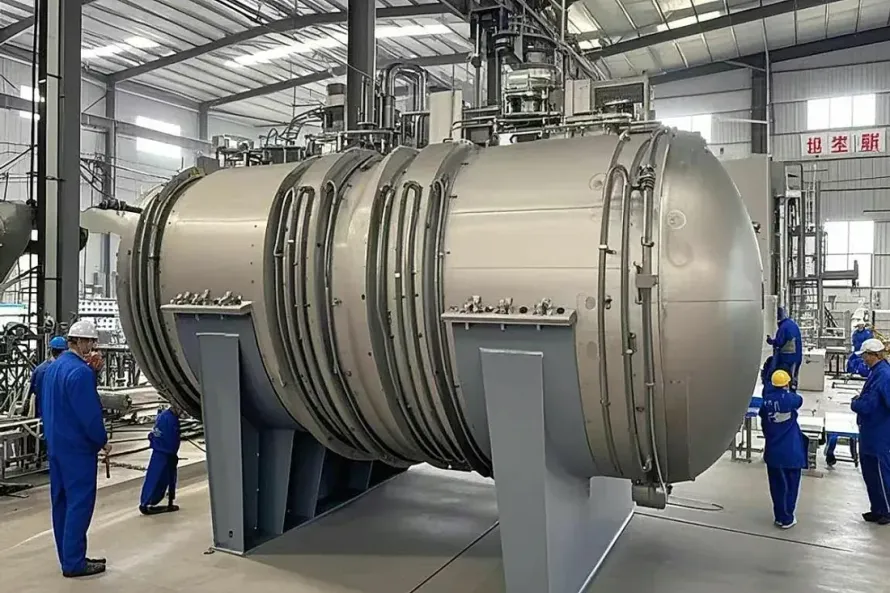
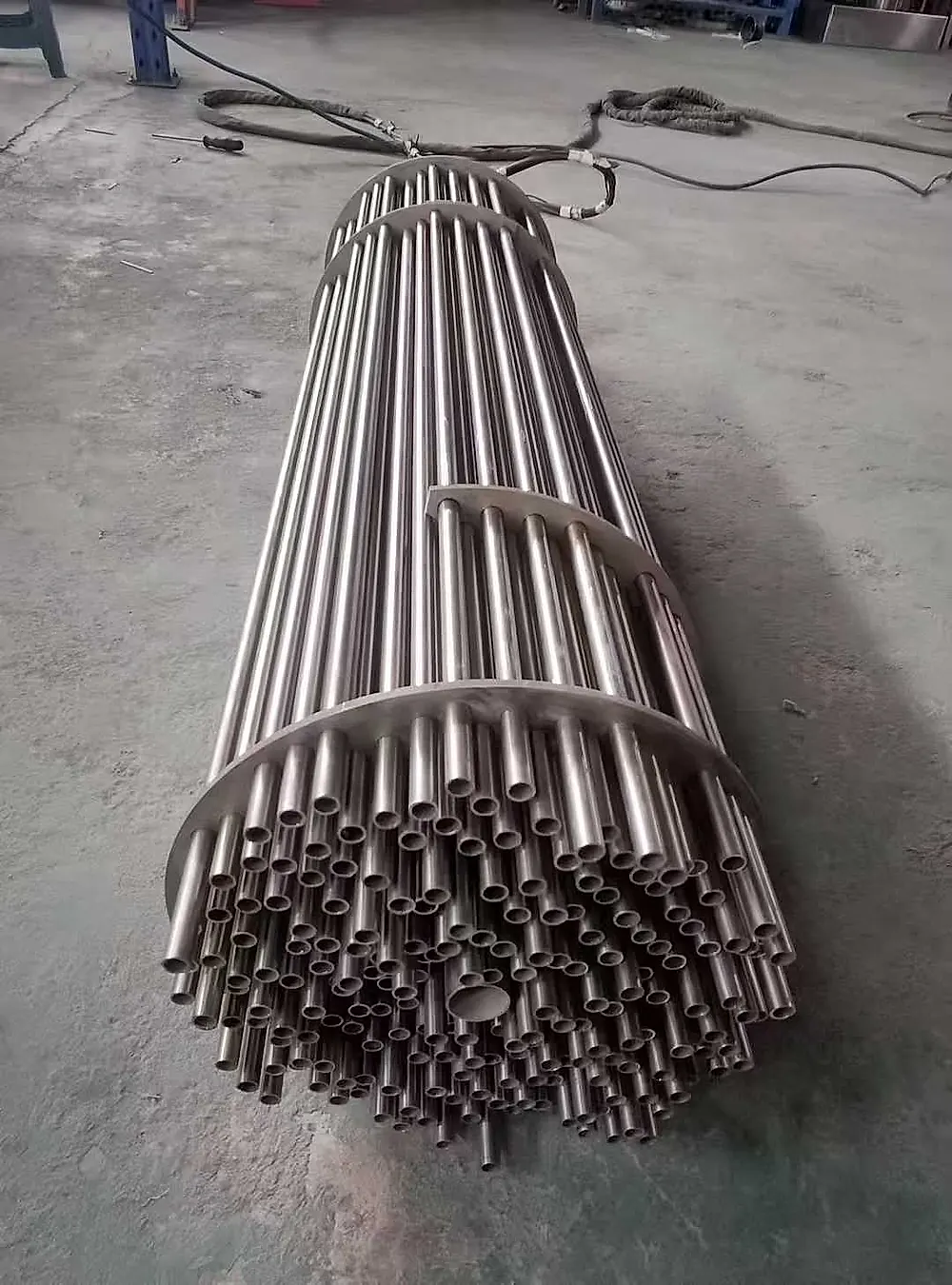
Chemical plant equipment — heat exchangers, reactors, pipe systems — relies heavily on welded construction. Weldability directly determines both manufacturability and long-term reliability.
Gr.2 welds significantly better than Gr.5. Three reasons:
1. No phase transformation risk. Gr.2 is a single-phase α structure. No α→β phase transformation occurs during welding, so the weld zone microstructure remains stable and post-weld heat treatment is not required. Gr.5 is an α+β dual-phase alloy. Welding drives acicular martensite α’ formation in the heat-affected zone (HAZ), sharply increasing brittleness — without post-weld annealing, the weld zone is highly susceptible to cracking in Cl⁻-containing media.
2. Greater tolerance for oxygen contamination. The biggest enemy during titanium welding is oxygen. Above 400°C, titanium is extremely sensitive to oxygen, which causes weld hardening and embrittlement. Gr.2 has an oxygen limit of 0.25% and a yield strength requirement of only 275 MPa — even if weld zone oxygen content rises slightly, the effect on mechanical properties stays within acceptable bounds. Gr.5 has a lower oxygen ceiling of 0.20% and much higher mechanical requirements, which narrows the welding process window considerably.
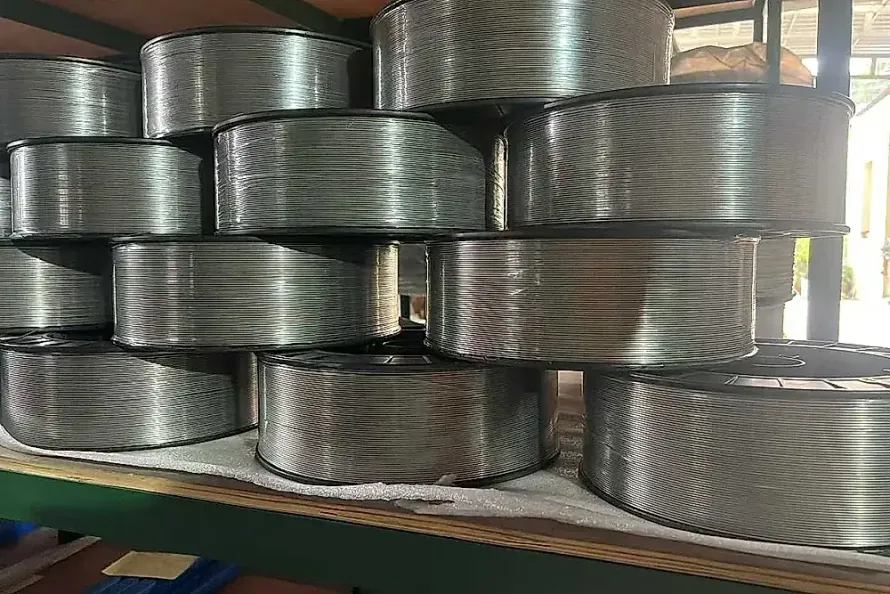
3. Lower filler wire cost. Gr.2 filler wire is priced at roughly 60–70% of Gr.5 wire. For a large heat exchanger where wire consumption can reach tens of kilograms, the cost difference is material.
This is why ASME Boiler and Pressure Vessel Code (BPVC Section VIII) lists Gr.2 — not Gr.5 — as the preferred titanium grade for pressure vessels. Not for cost reasons. For welding reliability.
Grade Selection Reference: When to Use Gr.2, When to Upgrade
Gr.2 is not universal. Certain extreme environments require upgrading to a higher grade. Here is a practical reference:
| Media Environment | Temperature | Recommended Grade | Notes |
|---|---|---|---|
| Seawater / neutral Cl⁻-bearing water | ≤150°C | Gr.2 | Standard choice |
| Wet chlorine gas (Cl₂) | ≤100°C | Gr.2 | Chlor-alkali industry standard |
| Dilute H₂SO₄ ≤5% | ≤60°C | Gr.2 | Upgrade if concentration >5% |
| HCl ≤1% | ≤35°C | Gr.2 | Upgrade if concentration >1% |
| Nitric acid HNO₃ | All concentrations | Gr.2 | Oxidizing acid; Gr.2 is highly resistant |
| High-temperature Cl⁻ with crevice geometry | >100°C | Gr.12 (Ti-0.3Mo-0.8Ni) | 10× crevice corrosion resistance |
| Reducing acids HCl >3% | Any | Gr.7 (Ti-0.15Pd) | Pd improves resistance to reducing acids |
| H₂S-bearing acidic environments | Any | Gr.12 or Gr.7 | Common in oil and gas wellheads |
| High-temperature oxidizing service >300°C | >300°C | Gr.5 or Ti-6242S | Strength-driven; not a corrosion scenario |
Core rule: Oxidizing media — use Gr.2. Reducing acids — upgrade to Gr.7 or Gr.12. High temperature / high pressure — upgrade to Gr.5.
Most chemical plant environments are oxidizing. That is why Gr.2 holds 80% share.
Total Cost Advantage: More Than a Material Price Gap
Gr.2 costs 40–60% less than Gr.5. But the total cost difference far exceeds the raw material spread.
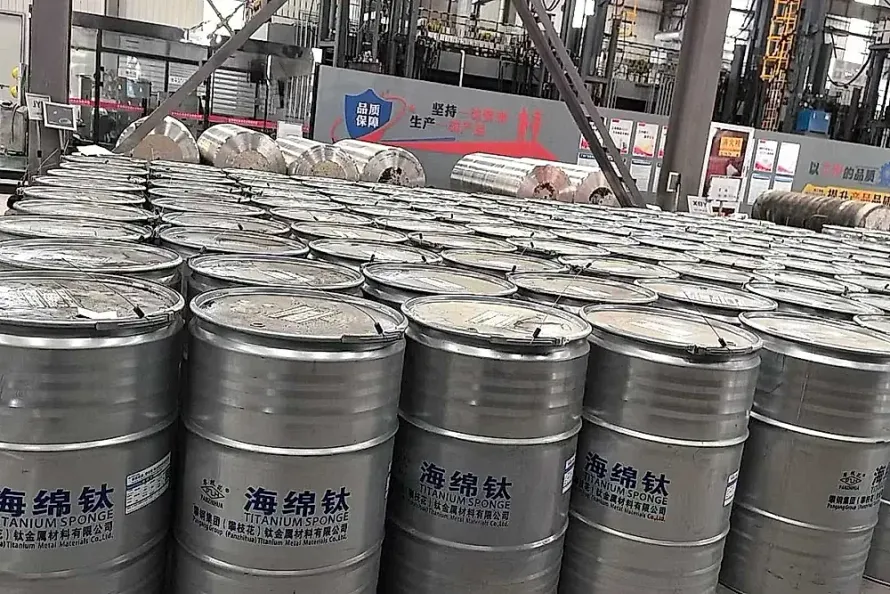
Raw material cost: Gr.2 is smelted from grade-0 or grade-1 sponge titanium directly, without adding expensive aluminum-vanadium master alloys. Raw material cost runs $3,000–5,000 per ton lower.
Processing cost: Gr.2 is easier to cut and form than Gr.5 — lower yield strength means less tooling wear in pipe bending, plate rolling, and stamping operations, and higher throughput. Gr.5’s high strength makes cold forming extremely difficult; many components must be hot-formed.
Welding cost: As noted above, Gr.2 requires no post-weld heat treatment. Gr.5 does. For a large heat exchanger, furnace time alone for post-weld annealing can run $5,000–10,000.
Inspection cost: Gr.2 weld seams have a higher UT acceptance rate than Gr.5 (more uniform weld microstructure), which means lower rework rates.
Adding these up, the total fabrication cost of a Gr.2 titanium heat exchanger can be 50–65% lower than a Gr.5 equivalent. And in oxidizing media, service life is comparable — or longer for Gr.2.
Procurement Recommendations
Three actionable recommendations for anyone sourcing titanium for a chemical project:
1. Start the evaluation with Gr.2 by default. Unless the process media is a reducing acid (HCl >3%, H₂SO₄ >5%) or operating above 300°C, Gr.2 is almost always the best answer. Do not be misled by Gr.5’s “premium” label.
2. Specify oxygen content, not just grade. Two Gr.2 heats with oxygen content of 0.12% and 0.22% respectively can show significant differences in weldability. When placing orders, require the actual oxygen content on the MTC, and prefer batches at ≤0.18%.
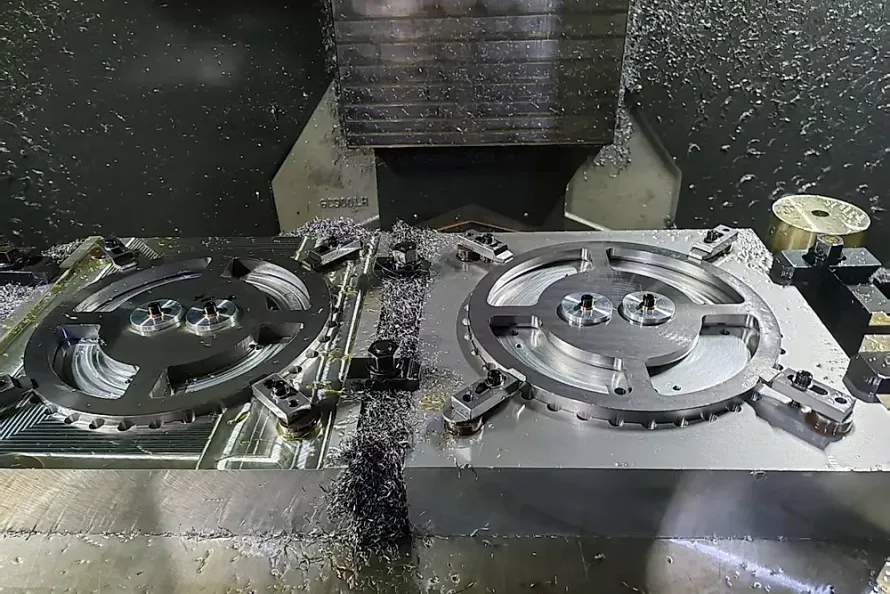
3. Confirm your supplier’s fabrication capability. Titanium plate and tube for chemical equipment requires extensive welding after delivery. If your supplier only sells raw material without fabrication, you will need a separate welding contractor — adding logistics, lead time, and quality risk. Choosing a supplier that provides both raw material and value-added processing eliminates the middle step and improves both total cost and delivery.
Need MTC samples for Gr.2 plate or tube? Contact us.
Related Products & Services
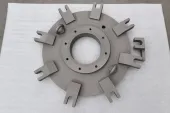
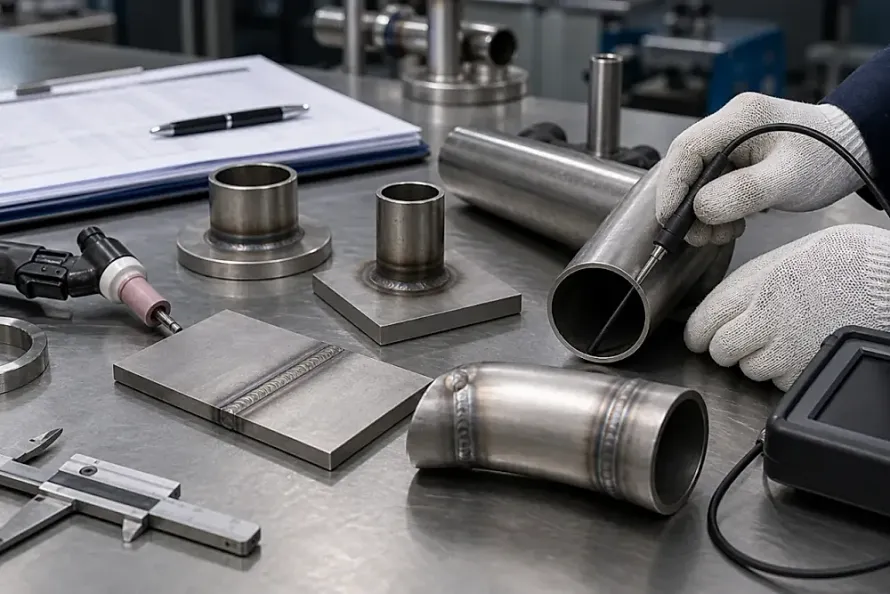
- Service → Fabrication — Titanium welding and fabrication for chemical plant piping and heat exchangers
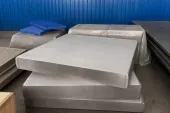
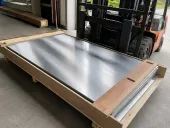
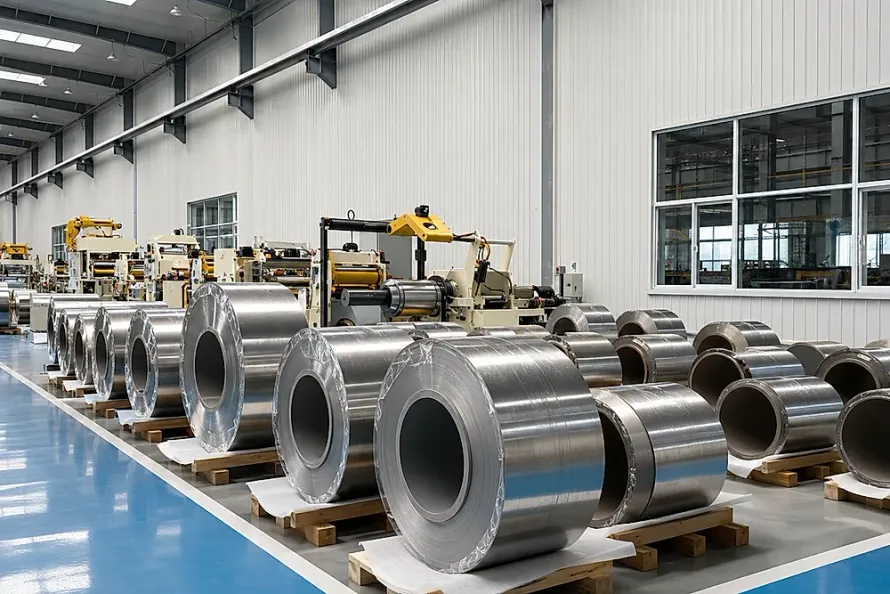
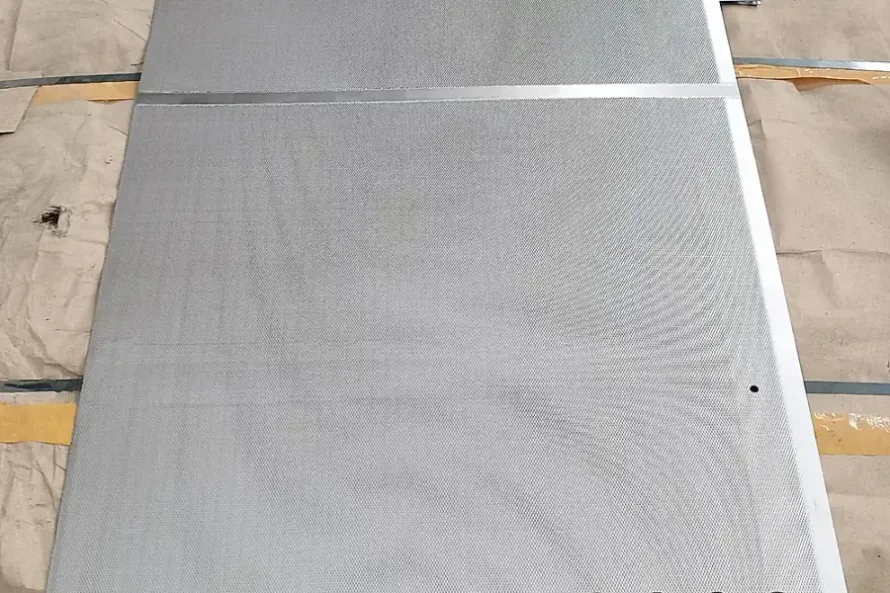
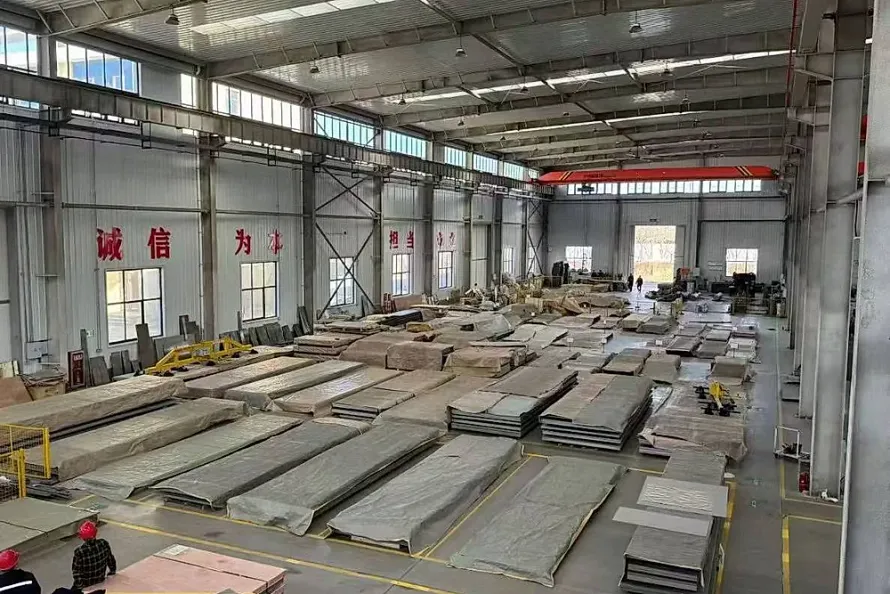
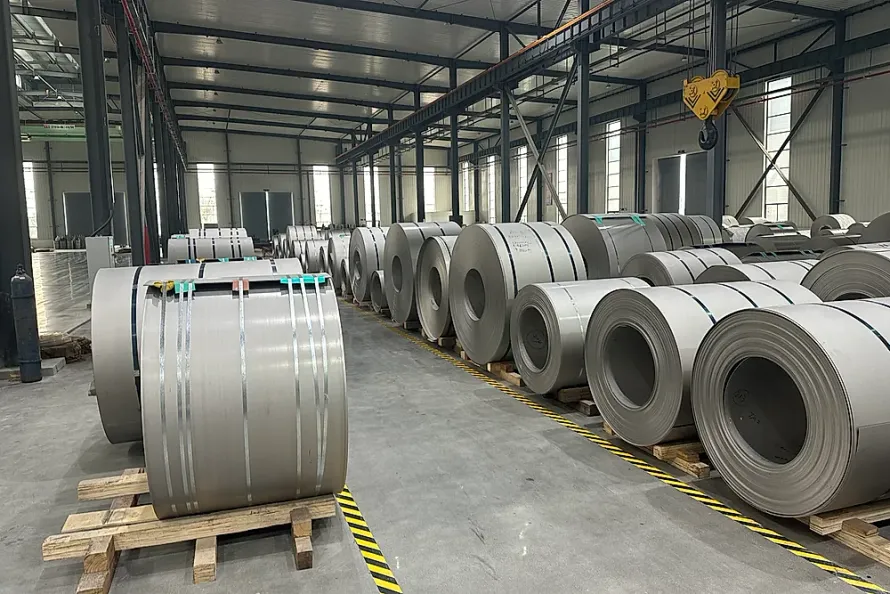
- Product → Titanium Sheets & Plates — Gr.2 plate, the primary feedstock for chemical heat exchangers and reactors
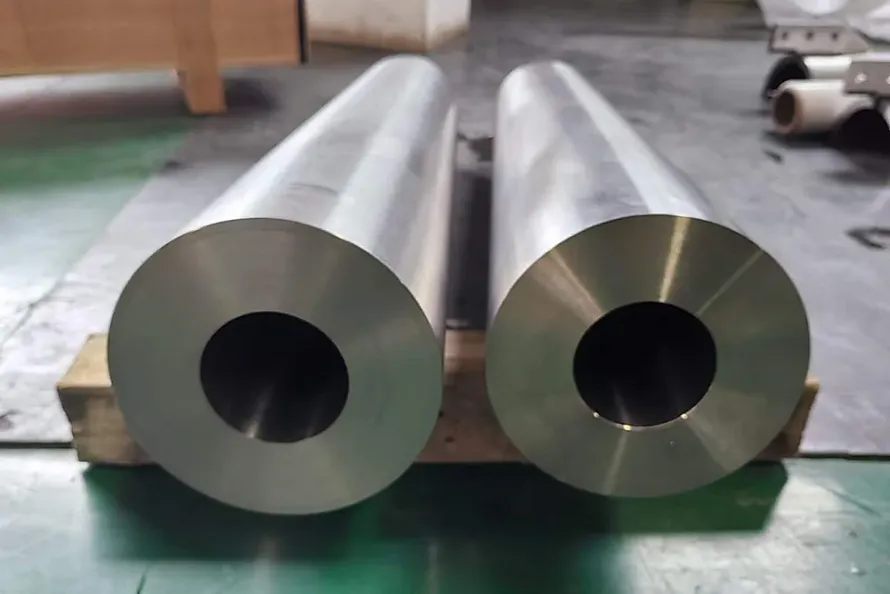
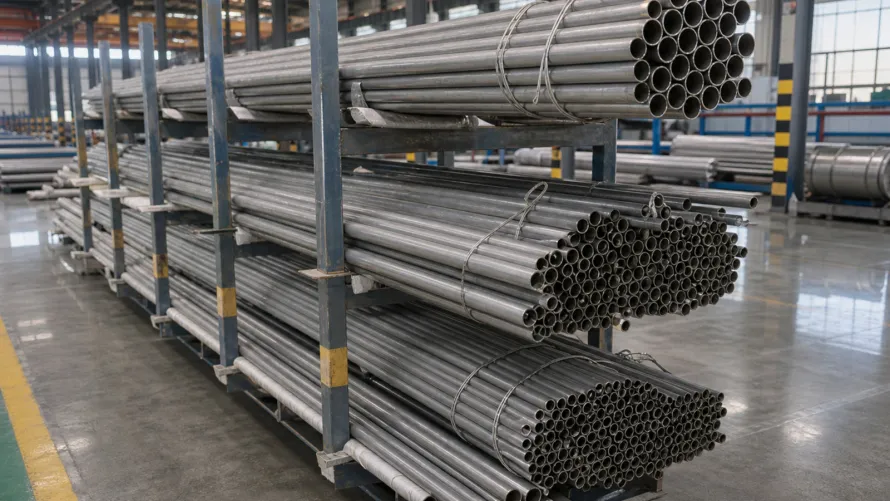
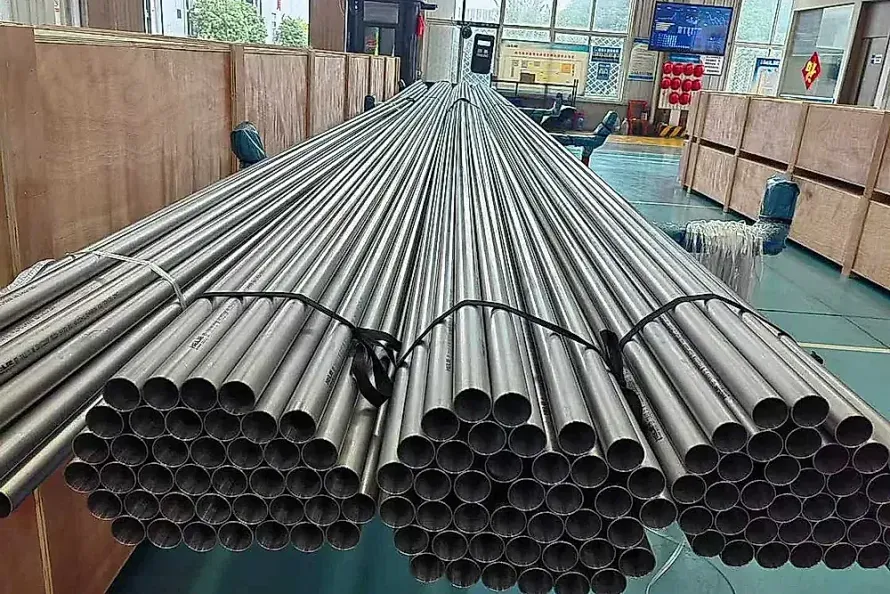
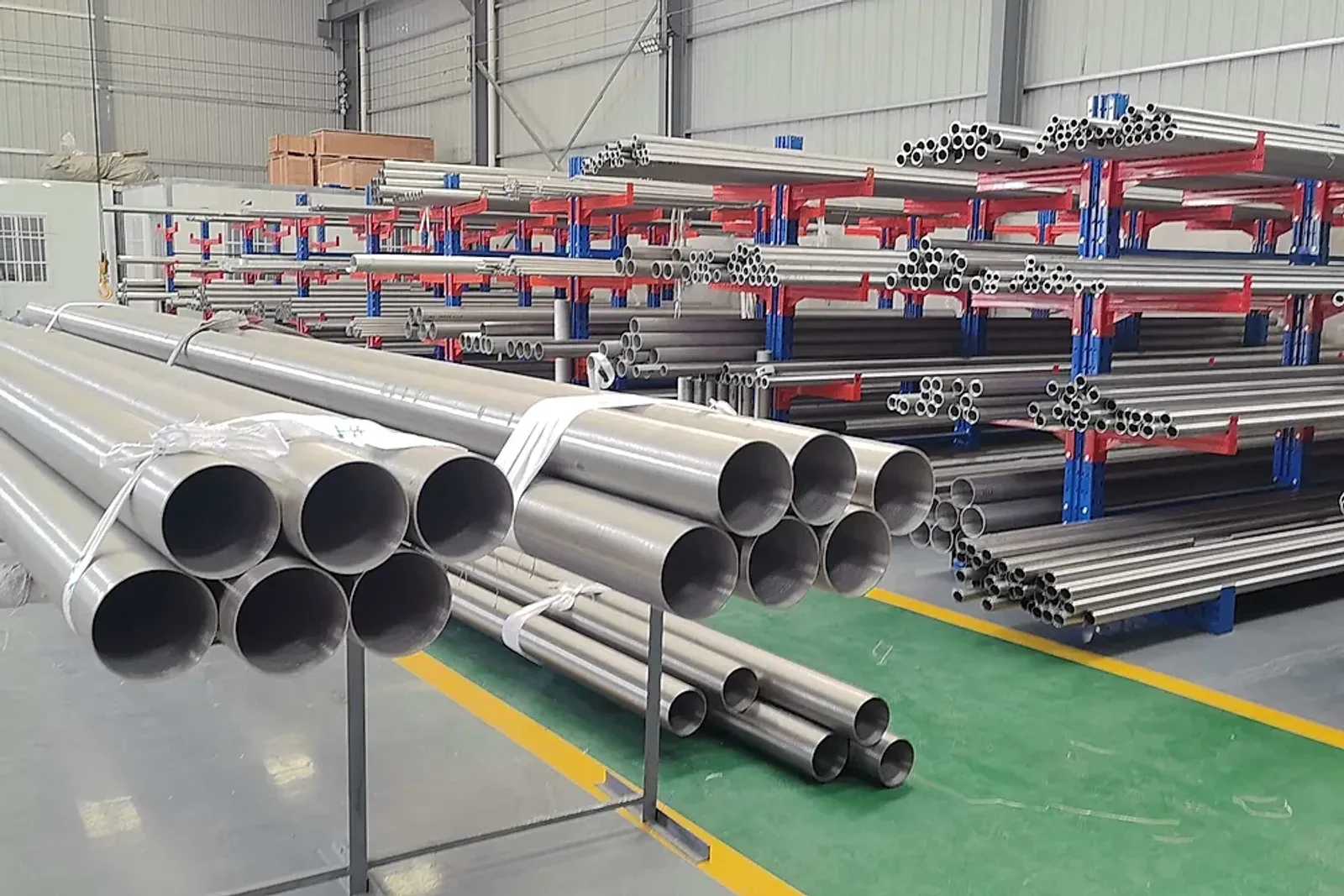
- Product → Titanium Tubes — Gr.2 tube, the standard choice for heat exchanger tube bundles
Related Articles:
Need this material? Get a factory-direct quote.