Avantium's Titanium Weld Repairs Show Why Chemical Plants Need a Fabrication Evidence Chain
Avantium’s update on titanium weld repairs at its FDCA Flagship Plant is a useful reminder for chemical process buyers: titanium’s value does not end at corrosion resistance. In real plant equipment, titanium must also pass through fabrication, welding, inspection, repair documentation and commissioning checks before it becomes a reliable production asset.
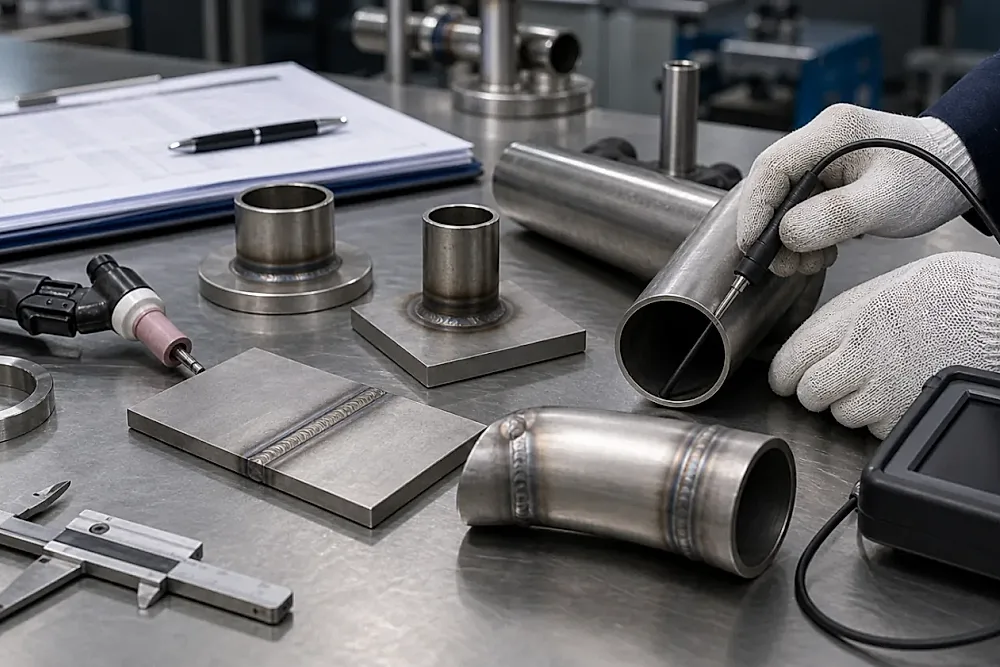
On April 30, Avantium said repair work on titanium weld issues at its FDCA Flagship Plant had been successfully completed. The company said final testing and safety checks were underway before commissioning could resume, and that it would provide a further update once those checks were completed (Avantium). Trade coverage described the repair completion as an important step toward bringing the plant closer to start-up after construction-related titanium weld issues delayed commissioning (ChemAnalyst).
The public information does not identify the exact weld defect, the titanium grade, the affected equipment or the inspection method. That limitation matters. A serious article should not turn a short company update into a diagnosis. The stronger industry lesson is about buyer evidence: when titanium is used in chemical processing, the material certificate is only one part of the risk file.
Why Titanium Welding Changes The Buyer Question
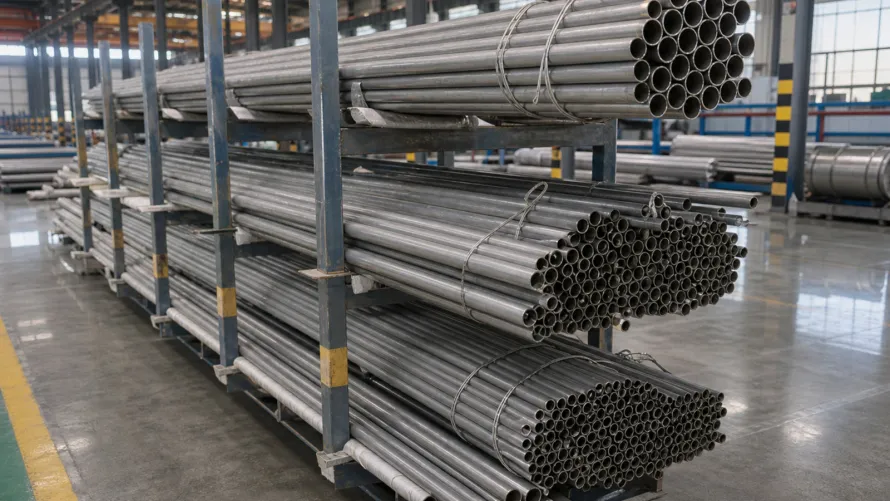
Titanium is attractive in chemical service because it can resist aggressive corrosion environments that would quickly challenge many common alloys. That is why titanium tubes, plates, welded assemblies and heat-exchanger components appear in chemical, polymer, desalination, chlor-alkali and other process applications. ASTM’s product category for seamless and welded titanium and titanium alloy tubes covers condensers and heat exchangers, showing how closely titanium tube supply is tied to process-equipment duty (ASTM B338) — see also our dedicated B338 spec page.
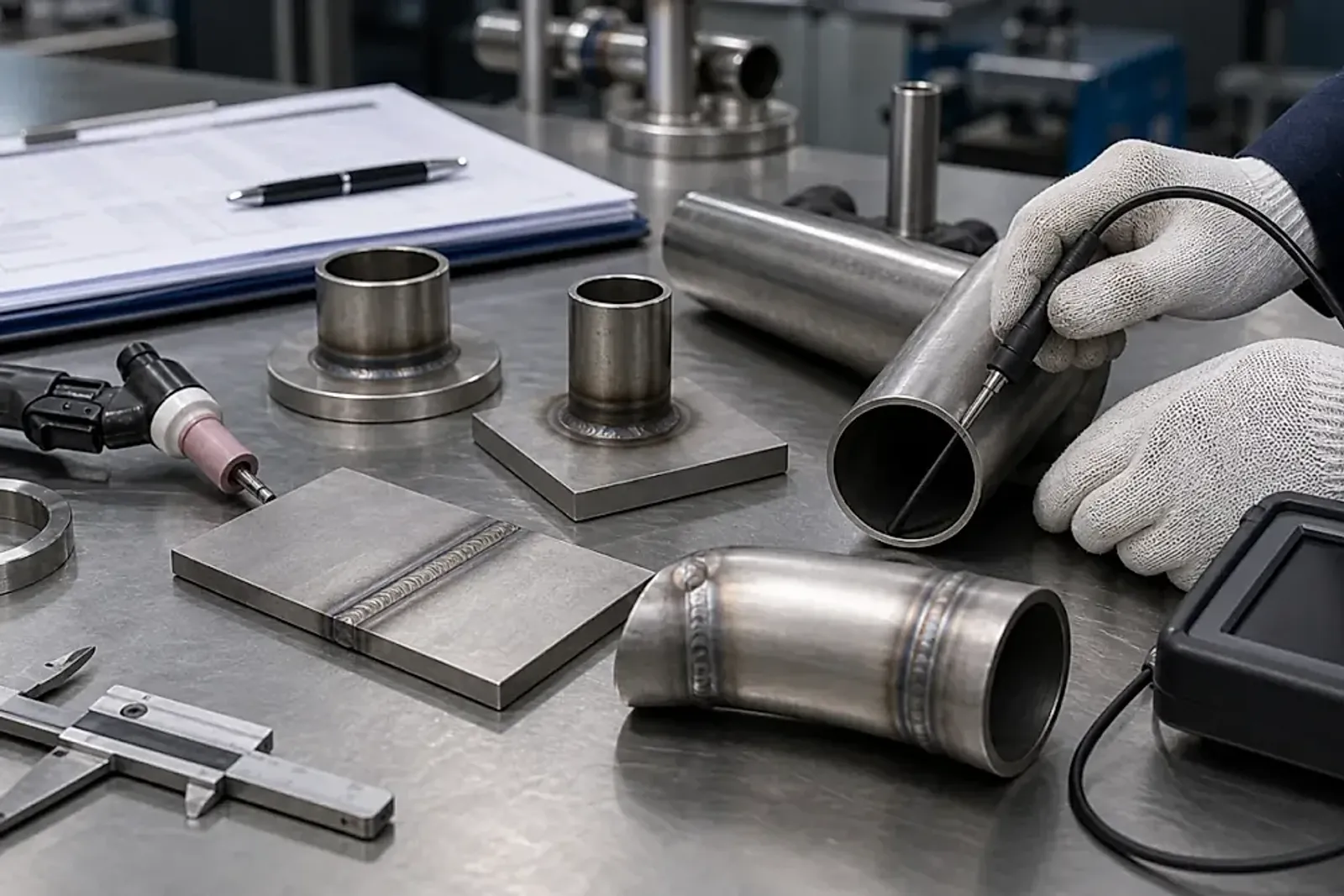
But titanium’s corrosion performance is not a free pass through fabrication. TWI’s guidance on titanium and titanium alloy weldability emphasizes that titanium welds must be protected from atmospheric contamination, with shielding and cleanliness playing a central role in weld quality (TWI). For buyers, that turns a purchase order into more than a grade-and-size discussion.
A titanium tube or plate — typically Gr.2 for general chemical service or Gr.7 (Ti-Pd) for hot reducing acids — can meet the requested chemistry and still create commissioning risk if the weld procedure, shielding practice, cleaning route or inspection record is weak. Conversely, a supplier that can document fabrication controls makes the material easier to trust in a process line where downtime, leakage, rework or delayed start-up can be expensive.
The Evidence Chain Chemical Buyers Should Request
The practical framework is simple:
| Evidence gate | What buyers should verify | Why it matters |
|---|---|---|
| Service duty | Process media, temperature, pressure, cleaning chemistry and corrosion assumptions | Titanium grade selection depends on the actual operating environment |
| Material form and grade | Tube, plate, sheet, fitting, spool, vessel part, grade and heat identity | The form determines weld access, inspection method and mechanical risk |
| Weld procedure and shielding | Qualified procedure, filler route, shielding gas coverage and purge control | Titanium weld quality is sensitive to contamination and heat-affected conditions |
| Cleanliness control | Surface preparation, handling, tool segregation and post-weld cleaning | Contamination can undermine corrosion or weld performance |
| NDT and pressure testing | Visual inspection, dye penetrant, radiography, ultrasonic checks, leak testing or hydrostatic testing when applicable | Inspection evidence turns fabrication claims into auditable records |
| Repair dossier and handoff | Nonconformance record, repair method, retest results and commissioning acceptance | Repairs must close the loop before equipment enters production |
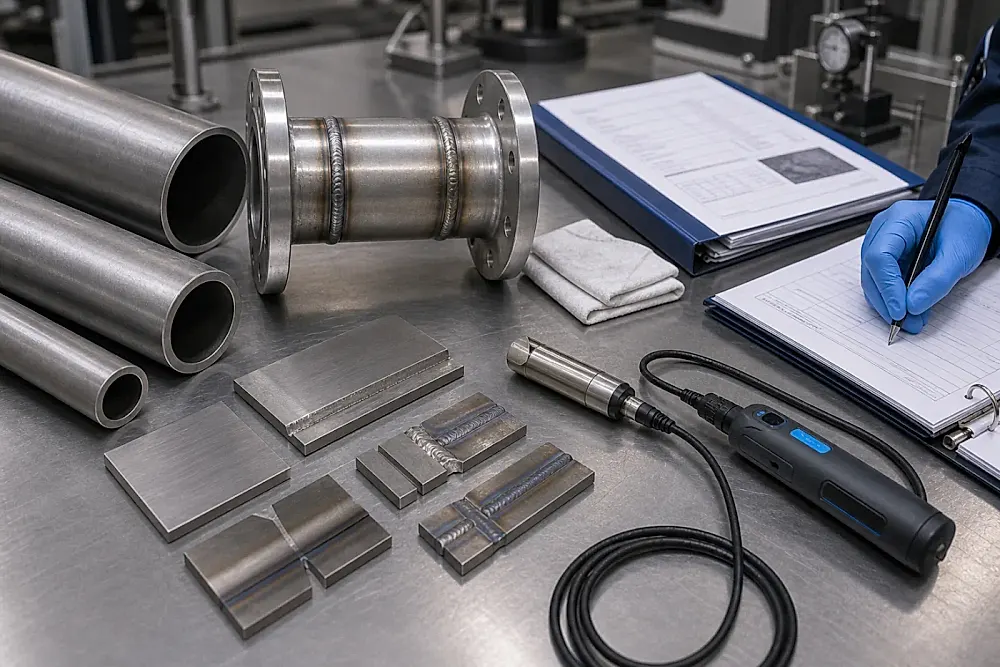
This framework is not only for large chemical developers. It applies to export buyers sourcing titanium tube bundles, heat-exchanger tubes, welded pipe spools, reaction-vessel internals, pump components or machined corrosion-service parts. The more severe the service, the less useful it is to ask only whether the material is titanium.
What The Avantium Case Does And Does Not Prove
The Avantium update does not prove that titanium is unreliable in chemical plants. It also does not prove that a particular supplier, welder or material route failed. The source language is narrower: a construction-related titanium weld issue was repaired, and final testing and safety checks were needed before commissioning could resume.
That is still enough to matter. Commissioning is where paperwork, fabrication and operating reality meet. A weld that requires repair may already have passed through procurement, workshop production and installation planning. When an issue is discovered late, the commercial problem is no longer only the cost of the weld. It can become schedule risk, retesting workload, safety review, documentation revision and trust in the handoff package.
For titanium suppliers, the opportunity is to reduce that late-stage uncertainty. A supplier of titanium plate, tube or fabricated assemblies should be able to explain how material traceability flows into weld maps, procedure qualifications, inspection reports, repair controls and final acceptance records. That evidence will not make every project simple, but it gives the buyer a clearer way to separate a capable fabrication partner from a material-only seller.
What Export Suppliers Should Prepare
Export titanium suppliers serving chemical process equipment buyers should build documentation around fabrication risk, not only around inventory. A useful shipment package may include mill test certificates, heat and lot traceability, dimensional records, surface-condition notes, weld procedure references, inspection reports, repair history if any, pressure or leak-test evidence, and clear marking that links parts back to records — all aligned to the relevant ASTM specs (e.g. B338 for tube, B265 for plate, B348 for bar).
For welded products, the documentation should also make responsibilities clear. Who controls purge shielding? Who verifies cleanliness before welding? Which NDT method is used, and at what acceptance level? Who signs off a repaired weld before commissioning? These questions may sound procedural, but they are exactly the questions that protect titanium’s material value in a chemical plant.
The defensible conclusion is that titanium process equipment is becoming an evidence business. Corrosion resistance may win the material selection, but fabrication evidence wins the commissioning argument. Buyers that ask for that evidence early will have fewer surprises later. Suppliers that can provide it will look more useful than suppliers that only sell titanium by grade, diameter and thickness.
Related Products & Services
- Titanium Tubes — seamless and welded, certified to ASTM B338
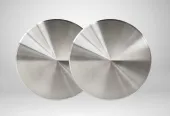
- Titanium Sheets & Plates — Gr.2/Gr.7 chemical-service forms to ASTM B265
- Titanium Pipes — large-diameter pipe spools for process duty
- Titanium Fabrication — qualified weld procedures + NDT
- Titanium CNC Machining — corrosion-service machined components
- Titanium Standards & Specifications — full B265/B338/B348 documentation
FAQ
# Why is titanium corrosion resistance not enough for chemical process equipment?
# What is a chemical titanium fabrication evidence chain?
# What should buyers verify for welded titanium tubes or plates?
# Does the Avantium update prove titanium is unreliable in chemical plants?
# What should export titanium suppliers include in a shipment package?
Need this material? Get a factory-direct quote.